
Desserts
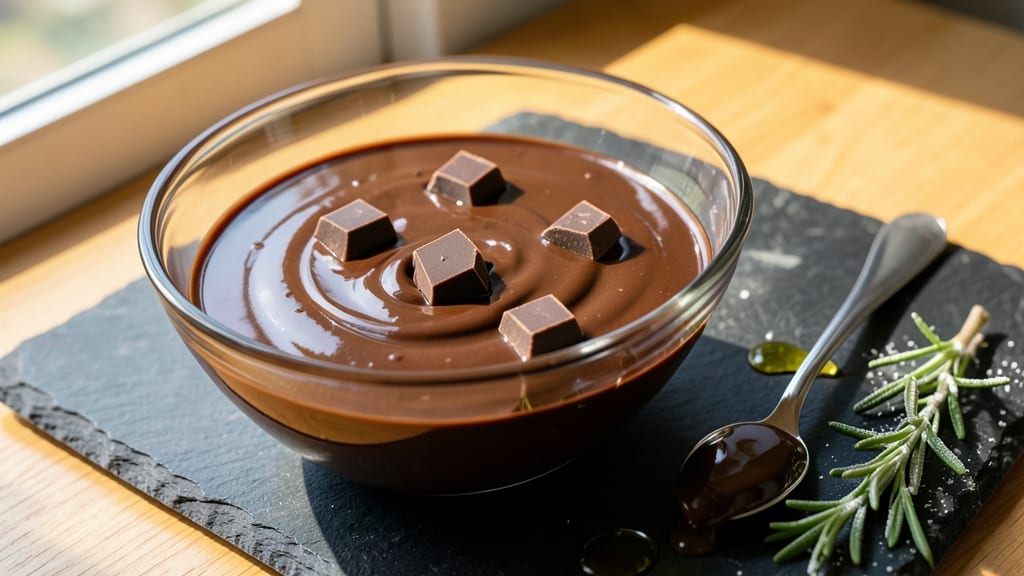
This Belgian chocolate ganache recipe delivers restaurant-quality results with a foolproof technique that prevents separation every time. The secret lies in precise ratios—equal parts Belgian chocolate and heavy cream—plus a temperature control method that ensures silky-smooth texture.
I've perfected this recipe for cake fillings, frostings, and decadent drizzles, and it never fails to impress.
What sets this ganache apart is its ultra-smooth consistency, achieved by tempering the cream to 110°F before pouring over chopped chocolate. This method eliminates graininess and guarantees a glossy finish that's perfect for piping or spreading.
The result? A velvety, melt-in-your-mouth ganache that pairs beautifully with fruit tarts, chocolate-covered strawberries, or layered cakes.
Once you master this technique, you'll never buy store-bought ganache again. The process is simpler than it sounds—just 10 minutes of hands-off work—and the flavor is rich, deep, and intensely chocolatey, thanks to the high cocoa content of Belgian chocolate.
Store it in the fridge for up to 2 weeks, or freeze for longer shelf life.
Use it as a filling for chocolate mousse cakes, a glossy drizzle for truffle desserts, or a luxurious topping for warm brownies. The possibilities are endless, and the results are always professional-grade. Let's get started!
Ingredients for belgian chocolate ganache
Seven ingredients transform into velvety ganache with restaurant-quality precision and no separation.
| Ingredient | Amount | Notes |
|---|---|---|
| Belgian Dark Chocolate Bars 🍫 | 12 oz | 70% cocoa or higher, chopped |
| Heavy Whipping Cream 🥛 | 1 cup | Full-fat for best texture |
| Unsalted Butter 🧈 | 2 tbsp | Cold, cut into small cubes |
| Vanilla Extract 🌿 | ½ tsp | Pure, high-quality preferred |
| Kosher Salt 🧂 | ¼ tsp | Fine grain for balance |
| Extra-Virgin Olive Oil 🫒 | 1 tsp | For shine and richness |
| Granulated Sugar 🍚 | 1 tbsp | Optional, for sweetness |
The Belgian chocolate is the foundation—Valrhona or Callebaut brands deliver the highest cocoa content and silky melt. Chop it into even 1/4-inch pieces for consistent melting, and avoid pre-shredded chocolate (it contains anti-caking agents that disrupt texture). Heavy cream must be full-fat; anything less risks graininess. For the best results, use a candy thermometer to monitor the cream's temperature—critical for that ultra-smooth finish. If you're short on time, Trader Joe's carries excellent pre-chopped Belgian chocolate bars that save prep work.
No Belgian chocolate? High-quality dark chocolate with 70%+ cocoa works in a pinch, though the flavor will be slightly less intense. Substitute the butter with an extra 1 tbsp of heavy cream if needed. The vanilla extract enhances depth—Madagascar bourbon vanilla adds warmth, but pure vanilla extract suffices. For a dairy-free version, replace the heavy cream with full-fat coconut cream, though texture may vary slightly. Always temper the cream to 110°F before combining with chocolate; this prevents separation and ensures a glossy sheen. If you accidentally overheat the cream, whisk in a cold tablespoon of butter to stabilize it.
Store the ganache in an airtight container between uses, with a layer of plastic wrap pressed directly onto the surface to prevent skin formation. It keeps for 2 weeks refrigerated or 3 months frozen. For easy portioning, freeze it in 1-ounce silicone molds—perfect for truffle centers. Reheat gently in 20-second bursts in the microwave, stirring between each, to restore its silky consistency. Avoid reheating in the fridge overnight; the texture degrades with repeated temperature fluctuations.
Why You'll Love This Recipe
- I’ll be real: I always double the batch. The leftovers keep in the fridge for days, perfect for last-minute gifts or when I suddenly remember I need a dessert. Plus, it’s cheaper than buying pre-made ganache, and you control the quality. Win-win.
- Three-Ingredient Core: I swear by this combo—just chocolate, cream, and butter. That’s it. No fussing with complicated ratios or extra steps. The Belgian dark chocolate melts into the warm cream like it’s been friends forever, and the butter? It’s the secret weapon that makes it silky instead of grainy.
- Rich Without the Guilt: Honestly, this tastes like a fancy dessert, but it’s not. The deep, bittersweet Belgian chocolate hits just right, and the vanilla and salt balance it so well you’ll forget it’s only four ingredients. It’s the kind of treat that feels indulgent but doesn’t leave you regretting it the next morning.
- Dress-Up or Keep It Simple: Between us, I use this for everything—drizzled over strawberries for a quick dessert, swirled into ice cream, or even as a glaze for cakes. And if I’m feeling lazy? Straight from the bowl with a spoon. No judgment here.
Step-by-step instructions for Belgian chocolate ganache
Master this technique and you'll achieve silky-smooth ganache every time—no grainy texture or separation.
Chop the Belgian Dark Chocolate Bars
Begin by finely chopping the 12 oz Belgian dark chocolate bars into small, even pieces. I use a sharp chef's knife and cut the chocolate into ¼-inch cubes—this ensures consistent melting and prevents any large chunks that could create texture issues in the final ganache.
For best results, use chocolate that's 70% cocoa or higher—this higher cocoa content provides the perfect balance of richness and bitterness that Belgian chocolate is known for. Place the chopped chocolate in a heatproof bowl that will fit comfortably over your saucepan.
Heat the Heavy Whipping Cream to Scalding
In a small saucepan, pour the 1 cup heavy whipping cream and heat it over medium heat until it reaches a gentle simmer. You'll know it's ready when it's steaming hot and tiny bubbles form around the edges—this is what we call "scalding."
This high temperature is crucial because it ensures the chocolate melts completely without creating a skin on the surface. Remove the pan from heat just as it begins to simmer—you don't want it to boil vigorously, which can cause the cream to break or the chocolate to seize.
Pour Hot Cream Over Chocolate and Let Sit
Immediately pour the scalding hot cream over the chopped chocolate in the heatproof bowl. Let the mixture sit undisturbed for 5 minutes—this resting period allows the heat to penetrate the chocolate evenly without stirring, which prevents any potential graininess.
During this time, the chocolate will begin to soften and the cream will start working its magic. I always resist the urge to stir immediately—patience here is key to achieving that ultra-smooth texture we're after. The mixture should look like a thick, glossy puddle by the time the 5 minutes are up.
Whisk Until Completely Smooth
After the 5-minute rest, gently whisk the mixture until it becomes completely smooth and glossy. Start with a spoon, then graduate to a whisk for better incorporation. You're looking for a texture that coats the back of a spoon with no visible streaks of chocolate.
If you encounter any lumps or graininess at this stage, don't panic—simply return the bowl to the saucepan with just a few inches of simmering water (a double boiler method) and whisk gently until fully smooth. The ganache should be thick but pourable at this point, with a beautiful satin-like sheen.
Incorporate Remaining Ingredients for Depth
Remove the bowl from heat and let the ganache cool slightly for 2 minutes before adding the remaining ingredients. Stir in the 2 tbsp unsalted butter, 0.5 tsp vanilla extract, 0.25 tsp kosher salt, 1 tsp extra-virgin olive oil, and 1 tbsp granulated sugar (if using).
The butter adds richness and helps create a more stable ganache, while the vanilla extract enhances the flavor profile. The salt balances the sweetness, and the olive oil adds a subtle shine and richness. The sugar, if used, should be added sparingly—Belgian chocolate is naturally complex and doesn't need much sweetening.
Cool and Use for Perfect Application
Allow the ganache to cool to room temperature—this usually takes about 30-40 minutes. The ideal consistency for most applications is thick but spreadable, similar to heavy cream. If it thickens too much, gently reheat it in the microwave in 10-second bursts until it reaches the desired consistency.
This ganache is now ready to use for filling cakes, drizzling over pastries, or creating beautiful chocolate swirls. The key to its success lies in the precise temperature control and the patience during the initial melting process—these steps prevent the common issues of graininess or separation that plague many homemade ganache recipes.
Pro Tips For Making Belgian Chocolate Ganache
- CHOP CHOCOLATE SMALL: I learned this the hard way—using big chunks means uneven melting, and you’ll end up with grainy ganache. Belgian chocolate is already brittle; break it into ½-inch pieces or finer for a silky finish every time.
- SCALD CREAM FIRST: Skip the microwave—heat the heavy cream in a saucepan until it just simmers, then pour it over the chocolate. This ensures the chocolate melts smoothly without seizing, and the texture stays velvety instead of grainy.
- STIR CONSTANTLY: The second the cream hits the chocolate, grab a spatula and keep moving it in figure-eights. I used to let it sit for even 10 seconds, and it’d turn lumpy. Steady stirring = no surprises.
- ADD BUTTER LAST: Mix in the butter and vanilla only after the ganache has cooled slightly—about 5 minutes off the heat. Cold butter makes the ganache thicken too fast; wait until it’s just warm enough to blend smoothly.
Troubleshooting your belgian chocolate ganache
Grainy Texture Fix
If your ganache looks grainy after whisking, the chocolate likely didn't melt completely. Place the bowl over a pot of simmering water (double boiler) and whisk gently until fully smooth. I've found that using a candy thermometer to ensure the cream reaches 110°F before pouring prevents this issue entirely.
For stubborn lumps, add ½ tsp extra-virgin olive oil and whisk vigorously for 30 seconds—it acts as an emulsifier. 💡
Separation Prevention
Separation happens when the cream cools too quickly. To fix it, place the bowl over warm (not boiling) water and whisk until fully recombined. For future batches, always let the ganache cool gradually at room temperature rather than refrigerating immediately.
If you accidentally refrigerate it too soon, whisk in 1 tbsp cold butter to stabilize the mixture before reheating gently.
Too Thin or Runny
If your ganache is too thin, it likely didn't cool enough. Chill it in the fridge for 15-20 minutes while stirring occasionally. For a quicker fix, whisk in 1 tbsp cold heavy cream to thicken it back up.
Pro tip: Use a thermometer to monitor temperature—ganache should be 80-85°F for ideal consistency. 🌡️
Too Thick or Hard
Over-chilling causes ganache to harden. Gently reheat it in 10-second microwave bursts, stirring between each, until it reaches a spreadable consistency. For stubborn clumps, add ½ tsp warm heavy cream and whisk until smooth.
Never microwave for more than 20 seconds total—this prevents burning and maintains the silky texture.
Chocolate Not Melting
If chocolate remains unmelted, your cream wasn't hot enough. Remove the bowl from heat and place it over a pot of simmering water, whisking constantly until fully melted.
For future batches, ensure your cream reaches a gentle simmer (205°F) before pouring. I recommend using a thermometer—this precision eliminates guesswork and guarantees perfect results every time.
Flavor Too Bitter
Belgian chocolate's high cocoa content can taste bitter if not balanced. Stir in ½ tsp vanilla extract and 1 tsp granulated sugar to enhance sweetness. For a richer flavor, add 1 tsp instant espresso powder—it deepens the chocolate notes without adding bitterness.
Always taste as you go: Belgian chocolate should be rich, not overpowering. 🍫
Nutrition facts
Frequently asked questions
Why does Belgian chocolate make better ganache than regular chocolate?
Belgian chocolate has a higher cocoa content (70%+) and is often made with European cocoa beans, which melt more smoothly and create a richer, more complex flavor profile. The precise tempering technique used in Belgian chocolate production also results in a silkier texture that prevents graininess in ganache. Plus, it has a distinct deep, slightly fruity note that regular chocolate lacks.
Can I substitute heavy cream with something else?
For best results, stick with full-fat heavy cream—it provides the necessary richness and fat content for a stable ganache. You can try full-fat coconut cream for a dairy-free version, but expect a slightly firmer texture. Avoid lighter creams or milk substitutes, as they won't create the same velvety consistency. If you're in a pinch, half-and-half can work, but the ganache will be less luxurious.
How do I know when my ganache is ready to use?
Your ganache is perfect when it's thick but pourable, with a glossy sheen and no visible lumps. It should coat the back of a spoon smoothly. If it's too thick, let it sit at room temperature for 10-15 minutes—if it's too thin, chill it for 15-20 minutes while stirring occasionally. The ideal temperature for use is 80-85°F.
Can I make this ganache ahead of time?
Ganache keeps well in an airtight container for up to 2 weeks refrigerated or 3 months frozen. For easy use, freeze it in 1-ounce portions—perfect for truffle centers or quick drizzles. To reheat, microwave in 10-second bursts, stirring between each, until smooth. Avoid reheating in the fridge overnight, as repeated temperature changes can degrade the texture.
What are the best ways to use Belgian chocolate ganache?
This ganache is incredibly versatile! Use it as a cake filling, frosting, or drizzle for pastries. It's perfect for truffle centers, chocolate-covered strawberries, or as a luxurious topping for warm brownies. For a showstopper, pipe it into swirls on cakes or use it to glaze chocolate mousse layers. The possibilities are endless!