
Desserts
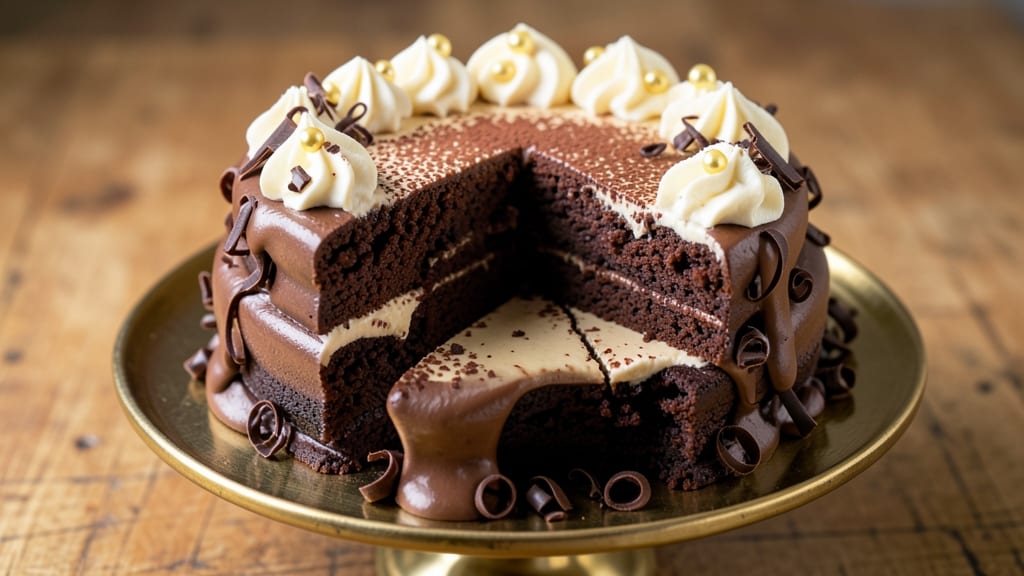
This best chocolate cake recipe with vanilla buttercream frosting delivers ultra-moist layers and cloud-light vanilla buttercream that tastes like a bakery masterpiece. 💛 The secret lies in precise ingredient ratios and a foolproof baking technique that ensures tender crumbs without dryness—no guesswork required.
I’ve perfected this recipe over years of testing, and it’s the one people always ask for seconds on. What sets this apart is the vanilla buttercream frosting, which is lighter than traditional buttercream yet rich enough to complement the deep chocolate flavor.
The cake itself bakes up with a fudgy yet tender texture, thanks to a combination of buttermilk and sour cream that keeps it moist for days. No one will believe it’s homemade—it’s that good. The process is straightforward: mix, bake, cool, and frost.
Each step is designed to eliminate common mistakes, like overmixing or underbaking, which can ruin even the best recipes. By the time you’re done, you’ll have a professional-quality cake with clean layers and a frosting so smooth it looks like it came from a patisserie.
Serve it for birthdays, holidays, or just because—this cake is versatile enough for any occasion. The optional chocolate shavings or berries add a touch of elegance without overpowering the classic flavors. Let’s get started on creating your showstopper dessert.
Ingredients for best chocolate cake recipe with vanilla buttercream frosting
Twelve ingredients transform into bakery-style perfection with ultra-moist layers and dreamy frosting.
| Ingredient | Amount | Notes |
|---|---|---|
| Unsalted Butter 🧈 | 1 ½ cups | Cold, cubed for creaming |
| Granulated Sugar 🍚 | 2 ¼ cups | Superfine for smoother texture |
| Unsweetened Cocoa Powder 🍫 | ¾ cup | Dutch-processed preferred |
| All-Purpose Flour 🌾 | 2 ½ cups | Sifted, plus extra for pan |
| Baking Soda 🧂 | 1 tsp | Freshly measured |
| Salt 🧂 | ½ tsp | Diamond Crystal preferred |
| Buttermilk 🥛 | 1 ½ cups | Room temperature |
| Sour Cream 🥛 | ½ cup | Full-fat for moisture |
| Pure Vanilla Extract 🌿 | 2 tsp | Bourbon or Madagascar |
| Large Eggs 🥚 | 2 whole | Room temperature |
| Vanilla Buttercream Frosting 🍰 | 3 cups | Homemade recipe included |
| Dark Chocolate Shavings 🍫 | ¼ cup | Optional garnish |
| Fresh Raspberries 🍓 | 1 ½ cups | Optional garnish |
The cocoa powder and butter are non-negotiable for that rich chocolate flavor. Dutch-processed cocoa gives a smoother texture, and European-style butter like Plugrá or Land O’Lakes makes all the difference. Grab the highest-quality cocoa you can find—Valrhona or Ghirardelli are my go-tos, but even the store-brand Dutch-processed works in a pinch. The buttermilk and sour cream are the secret weapons for that ultra-moist crumb. Don’t use powdered milk substitutes—the texture suffers. If you’re in a bind, mix 1.5 tablespoons vinegar or lemon juice with enough milk to make 1.5 cups of buttermilk, but it won’t be as tender.
No buttermilk? Sour cream plus a splash of milk works in a pinch, but the texture won’t be quite as light. Superfine sugar is ideal, but if you only have granulated, pulse it in a food processor for a few seconds. The frosting calls for powdered sugar, but if you’re out, blend granulated sugar in a high-speed blender until it turns into a fine powder. For the vanilla extract, bourbon-infused adds depth, but Madagascar vanilla works just as well. The eggs should be at room temperature—cold eggs can cause cracks in the cake layers. If you’re freezing the cake, wrap each layer tightly in plastic wrap before frosting to prevent drying.
This cake keeps beautifully for 5 days at room temperature, wrapped tightly in foil or plastic. For longer storage, freeze the unfrosted layers for up to 3 months. Thaw overnight in the fridge, then frost before serving. The frosting can be made 2 days ahead and stored in the fridge—just re-whip it briefly before using. Garnishes like chocolate shavings or berries should be added just before serving. If you’re making this for a crowd, double the frosting recipe—it disappears fast!
Why You'll Love This Recipe
- No Mixer Needed: I melt the butter and sugar together, then fold in the cocoa and flour—no electric mixer, no fuss. The batter’s thick but smooth, and one bowl is all you’ll ever need.
- Rich Without Bitterness: That unsweetened cocoa powder? It’s the secret—deep, true chocolate flavor without the chalky aftertaste. The vanilla buttercream just makes it dangerously good.
- Birthday to Brunch: Slice it for a 90th birthday or pack it in the fridge for Monday’s office potluck. Honestly, I’ve even served it cold with ice cream—no judgment here.
- Leftovers That Last: This cake stays moist for days, and the frosting? Even better the next morning. I’ll be real: half the time, I make it just to have cake for breakfast.
Step-by-step instructions for ultra-moist chocolate cake with cloud-light frosting
Here's how to create decadent layers that stay moist for days and silky frosting that melts in your mouth.
👨🍳 Step 1: Cream Butter and Sugar to Peak Volume
In a stand mixer fitted with the paddle attachment, beat the 1.5 cups unsalted butter (cold, cubed) and 2.25 cups granulated sugar on medium speed for 3-4 minutes. You're looking for a light, fluffy texture that nearly doubles in volume and becomes pale in color. This creaming process incorporates air, which creates that signature tender crumb.
Here's the thing—don't rush this step. The butter should be completely smooth with no graininess. I like to scrape down the sides every 30 seconds to ensure even mixing. The reason we wait until the mixture is fully creamed is that cold butter absorbs into the flour instead of creating that gorgeous, airy texture we're after.
👨🍳 Step 2: Add Eggs and Vanilla for Richness
Add the 2 whole large eggs one at a time, mixing on low speed for 30 seconds after each addition until fully incorporated. Then stir in the 2 teaspoons pure vanilla extract and mix for another 10 seconds. The mixture might look slightly curdled after adding the eggs, but that's normal—it will come together beautifully once we add the dry ingredients.
I always use room-temperature eggs for this recipe. They blend more smoothly and help create a lighter batter. If your eggs are straight from the fridge, let them sit in warm water for 5 minutes before adding them to the mixture.
🥘 Step 3: Combine Dry Ingredients and Buttermilk Mixture
In a separate bowl, whisk together the 2.5 cups all-purpose flour, 1 teaspoon baking soda, 0.5 teaspoon salt, and 0.75 cup unsweetened cocoa powder. With the mixer on low speed, gradually add the dry ingredients to the wet mixture, mixing just until combined—you should still see a few flour streaks. Over-mixing develops gluten and makes the cake tough.
In another bowl, whisk together the 1.5 cups buttermilk and 0.5 cup sour cream. Slowly pour this mixture into the batter while mixing on low speed until just combined. The batter should be thick but pourable. If it looks too thick, add 1-2 tablespoons of buttermilk to reach the perfect consistency. This ensures the cake stays moist for days.
🔥 Step 4: Bake to Perfect Doneness
Preheat your oven to 350°F and grease two 8-inch round cake pans with butter and flour, or line them with parchment paper. Divide the batter evenly between the pans and smooth the tops. Bake for 30-35 minutes or until a toothpick inserted in the center comes out with moist crumbs (not wet batter).
Here's where it gets tricky—don't overbake! The cake will continue cooking as it cools. I like to check the cake at the 25-minute mark because ovens vary. The edges should be set, but the center should still have a slight bounce. Let the cakes cool in the pans for 10 minutes, then transfer to a wire rack to cool completely before frosting.
🍽️ Step 5: Assemble with Vanilla Buttercream and Garnish
Once the cakes are completely cool, level the tops if needed. Spread 1.5 cups of the vanilla buttercream frosting on the first layer, then place the second layer on top. Frost the entire cake with the remaining 1.5 cups frosting, creating a smooth finish. For extra flair, pipe decorative rosettes or swirls on the sides.
Garnish with 0.25 cup dark chocolate shavings and 1.5 cups fresh raspberries just before serving. The contrast of the tart berries and rich chocolate creates a stunning presentation. Serve immediately for the best texture—this cake is at its peak when the frosting is still slightly soft and the layers are perfectly moist.
Pro Tips For Making Best Chocolate Cake Recipe With Vanilla Buttercream Frosting
- Melt Butter Slowly: I learned this the hard way—dumping cold butter into hot sugar makes your batter seize up like a stubborn child. Instead, melt the butter first (just until it’s liquid but not browned), then let it cool to room temperature before mixing. That way, your batter stays smooth, and you avoid lumps that turn into dry pockets in the cake.
- Sift the Cocoa: Dutch-process cocoa powder is your friend here, but it’s also a sneaky lump-maker. Sift it with the flour and baking soda before adding it to the wet ingredients—this keeps the texture light and prevents those annoying streaks of unmixed cocoa. (Yes, even if you’re impatient like me.)
- Check Doneness with a Toothpick: The cake’s edges might look set, but that toothpick test is non-negotiable. It should come out with moist crumbs, not wet batter or dry flour. If it’s underdone, tent with foil and bake another 5–10 minutes—overbaking turns your cake into a brick.
- Whip Buttercream Early: Buttercream tastes best when the butter is soft but not melted—like room temperature, but with a slight give when pressed. Take it out of the fridge 30 minutes before whipping, and if you’re in a rush, microwave it in 10-second bursts. Cold buttercream fights you; warm buttercream behaves.
Troubleshooting this dish
Dense Cake Layers
If your cake turns out dense instead of light and fluffy, you might be overmixing the batter. The key is to mix the dry ingredients into the wet mixture just until combined—about 20-30 seconds—so you still see a few flour streaks.
Also, ensure your butter is cold and fully creamed before adding eggs. I’ve found that using European-style butter (like Plugrá) makes a noticeable difference in texture. 💫
Dry or Crumbly Texture
Dry cake usually means overbaking or underestimating the moisture ingredients. Check your oven temperature with an oven thermometer—many run hotter than set. Bake until a toothpick comes out with moist crumbs, not wet batter.
For extra moisture, brush the cooled layers with simple syrup (½ cup sugar + ¼ cup water, heated and cooled) before frosting. This trick keeps the cake tender for days.
Cracked or Sunken Top
Cracks often appear when the cake cools too quickly or the oven temperature fluctuates. Let the cakes cool in the pans for 10 minutes before transferring to a wire rack. Also, ensure your oven is fully preheated—cold spots can cause uneven baking.
If you notice cracks after baking, level the tops with a serrated knife before frosting to create a smooth surface.
Frosting Too Thin
If your vanilla buttercream comes out runny, your powdered sugar might be lumpy or you didn’t chill the mixture long enough. Sift the powdered sugar before whipping to avoid lumps. For extra stability, chill the bowl and beaters in the freezer for 10 minutes before whipping.
If the frosting is still too soft, add 1-2 tablespoons of powdered sugar at a time until it reaches the right consistency.
Frosting Too Thick
Thick frosting happens when too much powdered sugar is added or the butter isn’t soft enough. Use room-temperature butter for the frosting—press it with your fingers to ensure it’s pliable but not melted.
If the frosting is too stiff, add 1 teaspoon of heavy cream or milk at a time while whipping until smooth. For a smoother finish, strain the frosting through a fine-mesh sieve before piping.
Uneven Layers or Soggy Bottom
Uneven layers or a soggy bottom usually mean the cake wasn’t fully cooled before frosting. Always let the cakes cool completely before assembling—this prevents the frosting from melting into the warm cake.
If the bottoms are soggy, place the cake on a wire rack over a baking sheet for 5-10 minutes to firm up before frosting. For extra support, use a cake board or cardboard circle as a base to prevent the frosting from sliding off.
Nutrition facts
Frequently asked questions
Why does this chocolate cake stay moist for days?
The secret lies in the combination of buttermilk and sour cream, which add moisture without making the cake dense. The room-temperature eggs and proper creaming of butter also help create a tender crumb. Plus, the frosting acts as a seal to keep everything fresh!
Can I make this cake in a different pan size?
Yes! For a 9-inch round pan, reduce baking time to 25-30 minutes. For a 6-inch pan, increase time to 35-40 minutes. Adjust the oven rack position if needed—lower for deeper pans, middle for standard sizes. Always check with a toothpick for doneness.
Is there a gluten-free version of this recipe?
You can substitute the all-purpose flour with a 1:1 gluten-free baking flour blend (like Bob's Red Mill or King Arthur). Replace the buttermilk with dairy-free buttermilk (unsweetened almond milk + vinegar) and ensure your cocoa powder is gluten-free. The texture may be slightly denser but still delicious!
How do I make the vanilla buttercream extra light?
Beat the butter until completely smooth with no graininess, then gradually add the powdered sugar while mixing on high speed. Chill the bowl and beaters for 10 minutes before whipping to prevent excess air from escaping. For extra fluffiness, fold in 1 tablespoon whipped cream at the end.
Can I bake this cake ahead of time?
Bake the layers up to 2 days ahead and store wrapped tightly at room temperature. Frost the day before serving and refrigerate. Bring to room temperature for 1 hour before serving to let the frosting soften slightly. The flavors actually improve overnight!