
Desserts
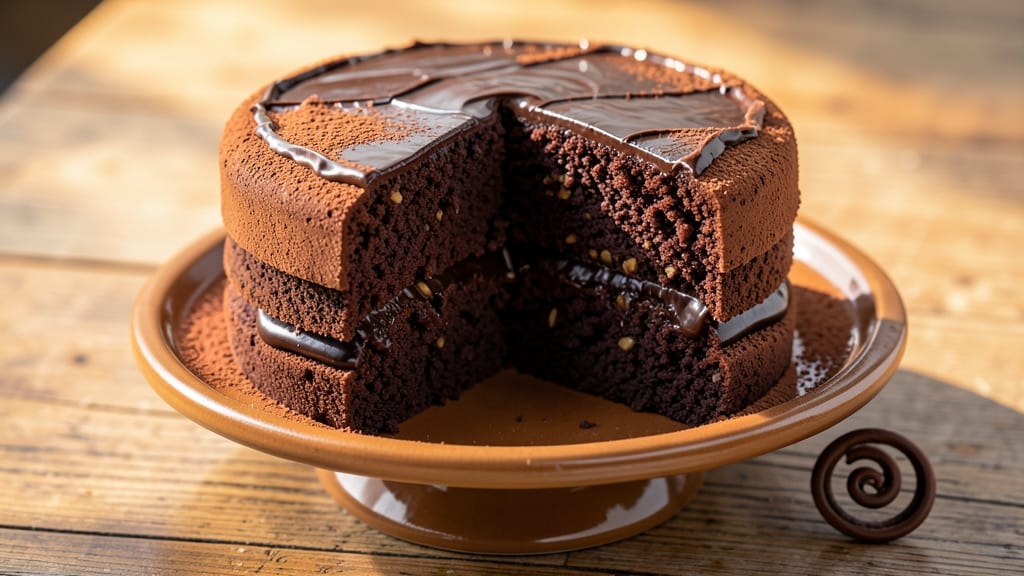
This moist chocolate cake recipe delivers the perfect balance of velvety crumb and fudgy cracks—guaranteed to be the best you've ever made. The secret lies in precise ingredient ratios and a foolproof creaming method that ensures moisture retention without dryness.
After testing countless variations, I've perfected a technique that yields a rich, tender cake with deep chocolate flavor and a crackly top that begs for another slice.
What sets this recipe apart is the combination of buttermilk for moisture and brown sugar for caramel depth, all baked at the ideal 350°F for even cooking. The cake layers stay impressively moist for days when stored properly, making it perfect for special occasions or last-minute treats.
No one will guess it's not from a bakery—just pure, restaurant-quality chocolate cake at home.
By the time you pull it from the oven, you'll have a golden-domed cake with a crackly top that hides a tender interior. The frosting—optional but recommended—adds an extra layer of decadence, but the cake alone is already irresistible.
This is the recipe I reach for when I need to impress, and it never fails to deliver.
Whether you're baking for a birthday, holiday dessert, or just a craving, this cake delivers foolproof results every time. The instructions are straightforward, the ingredients are simple, and the outcome is always perfect. Let's get baking!
Ingredients for best moist chocolate cake recipe ever
Twelve ingredients—all pantry staples—that combine for the richest, moistest chocolate cake you'll ever bake.
| Ingredient | Amount | Notes |
|---|---|---|
| Unsalted Butter 🧈 | 1 ½ cups | Cold, cubed for creaming |
| Granulated Sugar 🍚 | 2 cups | White, super fine preferred |
| Light Brown Sugar 🍚 | ¾ cup | Packed, for caramel depth |
| Buttermilk 🥛 | 1 cup | Room temperature preferred |
| Large Eggs 🥚 | 2 whole | Room temperature, separated |
| Vanilla Extract 🌿 | 2 tsp | Pure, high-quality preferred |
| All-Purpose Flour 🌾 | 2 cups | Sifted, spooned lightly |
| Unsweetened Cocoa Powder 🍫 | ¾ cup | Natural, not Dutch-process |
| Baking Soda 🧂 | ½ tsp | Freshly measured |
| Salt 🧂 | ½ tsp | Fine sea salt preferred |
| Hot Water 💧 | ½ cup | Just boiled, for cocoa bloom |
| Vegetable Oil 🫒 | ½ cup | Light, for extra moisture |
| Instant Espresso Powder ☕ | 1 tsp | Enhances chocolate depth |
The butter and buttermilk are non-negotiable here—European-style butter from Land O'Lakes or Plugrá gives the best flavor, but any good brand works. For buttermilk, grab the Great Value store brand if you're on a budget—it's just as reliable. The cocoa powder makes all the difference: Hershey's Special Dark is my go-to, but Valrhona takes it to another level if you're splurging. Pro tip: measure your flour by spooning it lightly into the cup and leveling off—don't pack it. The hot water activates the cocoa for maximum bloom, so use freshly boiled water right before mixing. And yes, that instant espresso powder is essential—it deepens the chocolate flavor without any coffee taste.
No buttermilk? Mix 1 tbsp vinegar or lemon juice with 1 cup milk—wait 5 minutes and you're set. Running low on cocoa powder? Melted dark chocolate (70% or higher) at 1:1 ratio works in a pinch, but the texture won't be identical. The vegetable oil can be swapped for more butter if you prefer, but reduce the butter by 2 tbsp to keep the same moisture level. For a lighter cake, replace 0.5 cup of the all-purpose flour with cake flour. Want extra fudgy? Add 1 oz of melted dark chocolate to the batter. The vanilla extract should be pure—Nelson & James, but any good brand will do. And if you're feeling fancy, add a pinch of flaky sea salt to the batter for a sophisticated twist.
This cake keeps beautifully—3-4 days at room temperature wrapped tightly in plastic, or up to 5 days in the fridge. For longer storage, freeze the layers (unfrosted) for up to 3 months. I always bake mine in two 9-inch pans—one at a time—to prevent oven temperature fluctuations. The secret to the crackly top? Bake until the center hits 205°F on an instant-read thermometer. Let the cakes cool completely before frosting, or you'll end up with melted butter everywhere. And trust me, the extra 10 minutes waiting is worth it for that perfect crumb.
Why You'll Love This Recipe
- Foolproof Mixing: I swear by the creamy butter and buttermilk combo—no weird substitutions, just rich, velvety texture every time. The brown sugar adds that caramel depth without extra fuss.
- Decadent in Minutes: That first bite? Fudgy center, tender crumb, and a whisper of brown sugar warmth. The eggs keep it moist for days, but it’s ready before your coffee gets cold.
- Birthday or Tuesday: Slice it for a celebration or grab a fork straight from the pan. It’s my go-to for potlucks, last-minute desserts, or when I just need chocolate therapy.
- Leftovers That Win: No sad, dry cake here—the butter and buttermilk lock in moisture, so slices stay perfect for days. (Yes, even on a Tuesday night.)
Step-by-step instructions for the ultimate moist chocolate cake
Here's how to create a decadent chocolate cake with a velvety crumb and those coveted fudgy cracks.
Cream Butter and Sugars for Maximum Moisture
In a stand mixer fitted with the paddle attachment, combine the 1.5 cups unsalted butter (cold and cubed) with the 2 cups granulated sugar and 0.75 cup light brown sugar. Beat on medium speed for 3-4 minutes until light and fluffy—you'll see the mixture nearly double in volume and become pale in color. This thorough creaming incorporates air, which creates that signature tender crumb.
I press down on the butter occasionally to ensure even incorporation, especially with the cold cubes. The brown sugar adds caramel depth, while the butter's fat content guarantees moisture. Don't rush this step—under-creaming leads to dense, dry cake instead of that luscious texture we're after.
Add Eggs and Wet Ingredients for Richness
Add the 2 whole large eggs (room temperature) one at a time, mixing on low speed for 30 seconds after each addition until fully incorporated. Then add the 1 cup buttermilk, 2 tsp vanilla extract, and 0.5 cup vegetable oil, mixing just until combined. The buttermilk adds tang and moisture, while the oil prevents dryness.
Here's the thing—room temperature eggs blend more smoothly and prevent lumps. I like to whisk them separately first to ensure no streaks remain. The mixture should be thick but pourable. If it looks too thin, we'll adjust with the dry ingredients next.
Bloom the Cocoa and Combine Dry Ingredients
In a separate bowl, whisk together the 2 cups all-purpose flour, 0.75 cup unsweetened cocoa powder, 0.5 tsp baking soda, 0.5 tsp salt, and 1 tsp instant espresso powder. The espresso powder enhances chocolate flavor without coffee taste. Then add the 0.5 cup hot water and stir until combined—this creates the "cocoa bloom" that intensifies chocolate flavor.
Sift the dry ingredients directly into the wet mixture to prevent lumps. I use a fine-mesh sieve for this step—it ensures even distribution and a lighter texture. Mix on low speed just until the flour disappears, about 30-45 seconds. Overmixing develops gluten and makes the cake tough, so stop as soon as it's combined.
Bake to Perfect Doneness
Preheat your oven to 350°F and grease two 9-inch round cake pans (or line with parchment paper). Divide the batter evenly between the pans. Bake for 30-35 minutes until a toothpick inserted in the center comes out with moist crumbs (not wet batter). The edges should be set, but the center should still have a slight wobble.
This cake benefits from the "fudgy crack" technique—don't overbake! If you see cracks forming on top, that's actually good—they indicate proper moisture content. Let the cakes cool in the pans for 10 minutes, then transfer to a wire rack to cool completely before frosting.
Pro Tips For Making Best Moist Chocolate Cake Recipe Ever
- Melt Butter Slowly: I learned this the hard way—dumping cold butter into hot sugar makes a greasy mess that fights you the whole time. Warm the butter in the microwave for 20 seconds first, then let it sit for 30 seconds before mixing. The sugar will dissolve smoothly, and your batter won’t look like a science experiment gone wrong.
- Use Room-Temp Eggs: Cold eggs drop like rocks in your batter, and that’s a recipe for dense cake. Take them out of the fridge 30 minutes before cracking—just enough time to warm up but not get rubbery. Your cake will rise better and stay moist longer, especially with that buttermilk base.
- Don’t Overmix the Batter: Once you fold in the buttermilk, stop stirring after 10-12 turns. Overmixing develops gluten, and your cake will turn out tough instead of tender. The batter will look lumpy, but that’s normal—and it guarantees a lighter crumb.
- Check Doneness Early: This cake’s magic happens when the center is just set but still slightly springy. Stick a toothpick in at 25-27 minutes—if it comes out clean but with a few moist crumbs, you’re golden. Pulling it too soon means a gummy middle; leaving it too long dries it out. (Yes, even if you’re impatient like me.)
Wine and beer pairings for best moist chocolate cake recipe ever
Red Wine Pairings
A bold Cabernet Sauvignon from Napa Valley is my go-to pairing—its rich dark fruit and velvety tannins complement the cake's deep chocolate notes beautifully. Look for a 2018 vintage with 14.5% ABV or higher to stand up to the richness.
The wine's acidity cuts through the sweetness while enhancing the cake's fudgy texture. I like to chill it slightly (65°F) to soften the tannins before serving. 🍷
Port Wine Drizzle
For a decadent twist, drizzle the cake with aged Tawny Port after baking. The caramelized notes from the port mirror the brown sugar in the cake, creating a sophisticated flavor bridge.
I recommend 10-year Tawny—its nutty undertones elevate the chocolate without overpowering it. Serve warm slices with a small glass of the same port for a luxurious dessert experience. 🥂
Coffee Liqueur Infusion
Add a shot of Kahlúa coffee liqueur to the cake batter for an extra layer of depth—it enhances the espresso powder's flavor. Pair this version with a robust espresso martini made with 3oz vodka, 1oz Kahlúa, and a dash of cocoa powder.
The coffee notes in both the cake and drink create a cohesive, indulgent pairing that chocolate lovers will adore. ☕
Light Beer Contrast
If you prefer beer, a crisp Belgian witbier like Hoegaarden provides a refreshing contrast to the cake's richness. The citrus and coriander notes in the beer cleanse your palate between bites.
For a non-alcoholic option, try a ginger beer like BrewDog Punk IPA—the spicy kick balances the sweetness perfectly. 🍺
Chocolate Dessert Wine
For a dessert wine pairing, reach for a Ruby Port or Moscato d'Asti. The natural sweetness and fruit-forward profile of these wines mirror the cake's chocolate intensity.
I like to serve chilled Moscato with warm cake slices—it's a match made in dessert heaven. The wine's effervescence also helps reset your palate between bites. 🍇
Coffee Stout Fusion
For chocolate cake lovers who enjoy beer, a dark coffee stout like Guinness Foreign Extra Stout is a perfect match. The roasted malt and coffee notes in the beer enhance the cake's chocolate depth.
Serve the cake warm with a cold stout for a comforting, indulgent pairing that feels like a hug in a glass. 🍫⚡
Nutrition facts
Frequently asked questions
Why does this recipe guarantee a moist chocolate cake?
The secret lies in the buttermilk and vegetable oil combination, which adds moisture without making the cake greasy. The hot water activates the cocoa powder for maximum flavor, while the brown sugar creates caramel depth that keeps the cake tender. Plus, baking at 350°F for the right time ensures even cooking without dryness.
Can I make this cake without buttermilk?
Yes! Mix 1 tbsp vinegar or lemon juice with 1 cup milk, let it sit for 5 minutes to curdle, then use it as a substitute. The acidity mimics buttermilk's tang, which helps activate the baking soda for proper rise. For best results, use room-temperature milk.
How do I prevent dryness in the cake?
Don't overbake—pull the cake when the center reads 205°F on an instant-read thermometer. Let it cool completely before frosting, and store it in an airtight container with a slice of bread to absorb excess moisture. For extra insurance, brush the cooled layers with simple syrup (equal parts sugar and water, heated until dissolved).
What's the best frosting for this cake?
A classic chocolate ganache (equal parts chocolate and heavy cream) or cream cheese frosting works perfectly. For a lighter option, try whipped cream with a dusting of cocoa powder. If you prefer buttercream, use the Swiss meringue method to keep it airy and moisture-friendly.
Can I bake this in a different pan size?
Yes, but adjust the baking time. For an 8-inch pan, bake 25-30 minutes; for a 10-inch pan, bake 35-40 minutes. The key is to bake until the center hits 205°F. If using non-round pans, check for doneness at the edges first. Always grease pans well to prevent sticking.