
Desserts
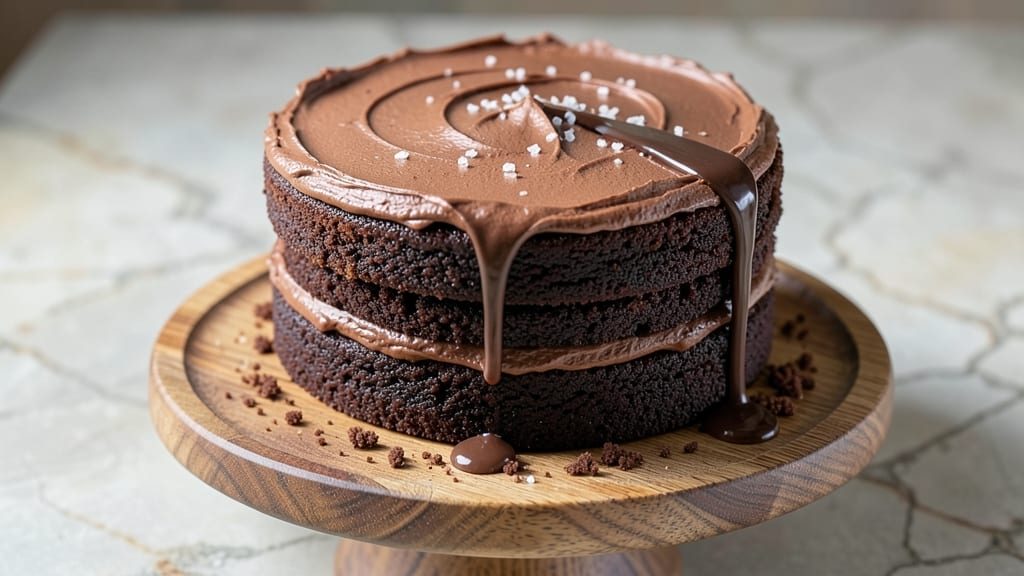
Betty Crocker's moist chocolate cake delivers the perfect balance of rich, fudgy layers and velvety texture that's been a family favorite for decades. This classic recipe uses simple pantry staples and a few clever tricks—like buttermilk and vegetable oil—to ensure every slice stays moist for days.
The secret lies in the batter's structure, where tender crumb meets just enough density to hold that signature chocolate flavor without drying out.
What sets this cake apart is its foolproof method, designed to work in any home kitchen with standard equipment. You'll mix everything in one bowl, then bake at 350°F for 25-30 minutes, resulting in layers that are rich yet light, with a subtle crumb that melts in your mouth.
The recipe also includes a buttery frosting that complements the cake's depth without overpowering it—a hallmark of Betty Crocker's signature style.
The result is a cake that's moist through the last bite, with a flavor so satisfying it becomes the centerpiece of any dessert spread. Whether you're serving it at a birthday celebration or simply indulging in a slice, this recipe delivers restaurant-quality results with minimal effort.
The frosting adds that final touch of elegance, making it perfect for special occasions or everyday treats.
Ready to bake? This recipe scales easily for crowds, and leftovers keep well for up to three days, making it ideal for meal prep or gifting. The combination of tender layers and creamy frosting ensures every bite is pure comfort—just as Betty Crocker intended.
Ingredients for betty crocker moist chocolate cake
Simple pantry staples create Betty Crocker's legendary moist chocolate cake layers and velvety butter frosting.
| Ingredient | Amount | Notes |
|---|---|---|
| All-Purpose Flour 🌾 | 2 ½ cups | Sifted for light texture |
| Granulated Sugar 🍚 | 2 cups | White sugar preferred |
| Unsweetened Cocoa Powder 🍫 | ¾ cup | Dutch-processed for smoothness |
| Vegetable Oil 🫒 | 1 cup | Light, neutral flavor |
| Buttermilk 🥛 | 1 ½ cups | Homemade or store-bought |
| Large Eggs 🥚 | 2 whole | Room temperature for blending |
| Baking Soda 🧂 | 1 tsp | Pure, not baking powder |
| Salt 🧂 | ½ tsp | Fine sea salt preferred |
| Vanilla Extract 🌸 | 2 tsp | Pure vanilla preferred |
| Hot Water 💧 | ½ cup | For cocoa powder activation |
| Butter 🧈 | 1 cup | Unsalted, softened for frosting |
| Confectioners' Sugar 🍚 | 3 cups | Sifted for smooth frosting |
| Milk 🥛 | 2 tbsp | For frosting consistency |
The cocoa powder is where flavor magic happens—Dutch-processed gives that signature smoothness. Ghirardelli or Hershey's Special Dark are my go-tos, but any quality brand works. The buttermilk adds moisture without making the cake dense, so don't substitute with regular milk (trust me, it matters). For the flour, King Arthur or Gold Medal brands give the best texture. I always sift mine—no lumps means a lighter crumb. The eggs should be room temperature when you measure them, or you'll get air pockets in the batter.
No buttermilk? Mix 1.5 tbsp lemon juice or vinegar with 1.5 cups milk and let sit 5 minutes. The cocoa powder can be swapped for melted dark chocolate (6 oz = ~0.75 cup), but the texture will be denser. Running low on vanilla? Almond extract at half the amount works in a pinch. The frosting butter needs to be softened but not melted—microwave 40 seconds if it's too firm. Confectioners' sugar clumps easily, so sift it through a fine mesh strainer before using. For a richer frosting, add 1 tbsp cocoa powder to the confectioners' sugar mix.
This cake stays moist for 3-4 days when wrapped tightly in plastic. The frosting keeps 2 days in the fridge, but I always make a double batch—it disappears fast. For gifting, slice and wrap individual portions in parchment paper. The cake freezes beautifully too—up to 3 months if you wrap the whole pan tightly. Let it thaw at room temperature before serving. Pro tip: Brush the warm cake layers with simple syrup (equal parts sugar and water) before frosting for extra moisture.
Why You'll Love This Recipe
- No Mixer Needed: The buttermilk and vegetable oil blend so smoothly—no electric mixer required. I’ve made this with a whisk and a spatula, and the texture comes out perfectly even. Honestly, the cake’s so forgiving that even if you overmix, the cocoa powder keeps it rich and moist.
- Rich Without Overpowering: That unsweetened cocoa powder delivers deep chocolate flavor without tasting bitter. The granulated sugar balances it just right, and the buttermilk adds a subtle tang that makes every bite feel indulgent. Between us, this is the kind of cake that tastes like it took hours to bake—when really, it’s ready in under an hour.
- Leftovers That Taste Fresh: Slice it the next day, and it’s still moist—no dry crumbs here. I’ve packed this in lunches, served it at potlucks, and even reheated slices in the microwave for a quick dessert. The oil keeps it tender, so it doesn’t turn into a sad, stale brick.
- Budget-Friendly Luxury: Flour, sugar, cocoa, oil—these are pantry staples that won’t break the bank. I’ve made this for birthdays, date nights, and even as a “treat yourself” dessert, and it never feels like a splurge. Plus, the buttermilk adds richness without needing pricey ingredients. Solid every time.
Step-by-step instructions for Betty Crocker's moist chocolate cake
Here's the exact method to achieve tender, fudgy layers with rich chocolate flavor every time.
👨🍳 Step 1: Prepare the Cake Batter Foundation
Preheat your oven to 350°F and grease two 9-inch round cake pans, then line the bottoms with parchment paper. In a medium bowl, whisk together the 2.5 cups all-purpose flour, 1 tsp baking soda, and 0.5 tsp salt. Set aside—this dry mix is your structural base.
In a separate large bowl, combine the 2 cups granulated sugar and 0.75 cup unsweetened cocoa powder. Whisk vigorously until the mixture is completely smooth and free of lumps. This ensures even distribution of chocolate flavor throughout the batter. The cocoa powder will darken as it mixes—this is normal and indicates proper activation.
🍳 Step 2: Incorporate Wet Ingredients for Maximum Moisture
Add the 1 cup vegetable oil and 1.5 cups buttermilk to the sugar-cocoa mixture. Whisk on medium speed for 1 minute until fully incorporated. The oil creates that signature moist texture, while the buttermilk adds tanginess that balances the sweetness. You'll notice the mixture lighten slightly as the ingredients emulsify.
In a small bowl, beat the 2 whole large eggs until frothy, then add them to the wet mixture along with the 2 tsp vanilla extract. Mix on low speed for 30 seconds to combine. Here's the thing—room temperature eggs blend more smoothly, so if yours are cold, let them sit at room temperature for 30 minutes before using. This prevents pockets of unmixed egg that can lead to dense cake.
🥘 Step 3: Combine Dry and Wet for Perfect Texture
Gradually add the dry flour mixture to the wet ingredients in 3 additions, mixing on low speed just until combined after each addition. Avoid overmixing—stop as soon as the flour disappears. Overmixing develops gluten, which makes the cake tough instead of tender. The batter should be thick but pourable.
Pour the 0.5 cup hot water into the batter and mix on low speed for 15 seconds just to incorporate. The hot water activates the cocoa powder for deeper flavor and helps create that classic moist crumb. Divide the batter evenly between the prepared cake pans, filling each about 2/3 full. Tap the pans gently on the counter to remove any air bubbles.
🔥 Step 4: Bake to Perfect Doneness
Bake for 30-35 minutes or until a toothpick inserted in the center comes out with a few moist crumbs but no wet batter. The edges should be set but the center should still jiggle slightly—this ensures maximum moisture. If your oven runs hot, start checking at 25 minutes to avoid overbaking.
I like to rotate the pans halfway through baking for even heat distribution. When done, let the cakes cool in the pans for 10 minutes before transferring to a wire rack to cool completely. This gradual cooling prevents cracking and helps set the texture properly. The cakes should be firm to the touch but still tender when sliced.
👨🍳 Step 5: Prepare the Buttery Chocolate Frosting
While the cakes cool, make the frosting by beating the 1 cup softened butter until creamy. Gradually add the 3 cups confectioners' sugar and mix on medium speed until smooth. Add the 2 tbsp milk and 2 tsp vanilla extract, mixing until the frosting is light and fluffy. This should take about 2-3 minutes—don't rush it or you'll end up with grainy frosting.
Spread the frosting between the cooled cake layers and over the top and sides. For extra flavor, dust the top with a little extra cocoa powder or sprinkle with chocolate shavings. The frosting should be thick enough to hold its shape but still spreadable. Let the cake sit at room temperature for 30 minutes before slicing to allow the frosting to set properly.
Pro Tips For Making Betty Crocker Moist Chocolate Cake
- Mix the Dry Ingredients First: I learned this the hard way—skipping this step means you’ll end up with lumps in your batter, especially with cocoa powder. Sift the flour, cocoa powder, and baking powder together, then whisk them in the bowl before adding any wet ingredients. This ensures everything blends smoothly and your cake turns out light, not dense.
- Use Room-Temperature Buttermilk: Cold buttermilk curdles when mixed with oil, making your batter grainy and the cake texture off. Let the buttermilk sit out for at least 30 minutes before measuring—it doesn’t take long, and it makes a real difference in how tender the crumb comes out.
- Don’t Overmix the Batter: Once you add the eggs and buttermilk, stop stirring the second everything’s just combined. Overmixing introduces too much air, which can cause the cake to sink in the middle as it bakes. A few swirls are all you need—this recipe isn’t a muffin, after all.
- Grease the Pan Properly: This isn’t just about buttering the pan—use about 2 tablespoons of vegetable oil (same as the recipe) to coat the bottom and sides, then dust with flour and tap out the excess. The oil prevents sticking better than butter alone, and the flour keeps the cake from tearing when you pull it out. (Yes, even if you’re impatient like me.)
Troubleshooting perfect results
Cracked Cake Surface
If your cake develops cracks on top during baking, it’s usually due to overmixing or uneven heat distribution. To prevent this, mix the batter just until combined—stop as soon as the flour disappears.
Also, ensure your oven is fully preheated and place the cake pans on the middle rack. If cracks appear, don’t stress: they’re harmless and can be covered with extra frosting. 💫
Dense or Dry Texture
Dense or dry cake often results from overbaking or incorrect ingredient ratios. First, check your baking time: remove the cake when a toothpick comes out with a few moist crumbs.
If the cake still feels dry, try adding 1 extra tablespoon of vegetable oil or 2 tablespoons of buttermilk to the batter next time. For extra moisture, brush the warm layers with a simple syrup (equal parts sugar and water) before frosting.
Uneven Baking
Uneven baking—where the edges cook faster than the center—happens when the oven isn’t hot enough or the cake pans aren’t level. Always preheat your oven for 15 minutes before baking. Place the cake pans on the middle rack and rotate them halfway through baking.
If your oven has hot spots, consider using an oven thermometer to ensure accurate temperature. A 350°F setting should read about 325°F inside the oven.
Frosting Too Thin
If your frosting turns out too thin to hold its shape, it’s likely because the butter wasn’t softened enough or the confectioners’ sugar wasn’t sifted properly. Next time, ensure the butter is softened but not melted—it should dent when pressed but hold its shape.
Sift the confectioners’ sugar thoroughly to avoid lumps, and add it gradually while mixing on medium speed. For extra stability, chill the frosting for 10 minutes before spreading.
Batter Too Thin
A runny batter usually means you’ve added too much liquid or not enough flour. To fix this, measure your ingredients carefully—especially the buttermilk and hot water. If the batter is still too thin, gradually add 1-2 tablespoons of flour at a time until it thickens slightly.
Avoid overmixing, or the cake will turn tough. If you’re using a boxed mix, follow the instructions precisely, as the ratios are already optimized for the best texture.
Cake Sticks to Pans
If your cake sticks to the pans, it’s likely because they weren’t greased or lined properly. Always grease your 9-inch round cake pans with butter or baking spray, then line the bottoms with parchment paper.
For extra insurance, dust the pans lightly with flour or cocoa powder before adding the batter. If the cake still sticks slightly, it’s normal—just run a thin knife around the edges to loosen it before transferring to a wire rack.
Nutrition facts
Frequently asked questions
Why does this recipe use vegetable oil instead of butter?
The vegetable oil creates that signature moist texture that keeps the cake tender for days. Unlike butter, it doesn't introduce water that could make the cake dry out during baking. For a richer flavor, you can substitute ½ cup melted butter for the oil, but the cake will be slightly less moist.
Can I make this cake in a single 9x13-inch pan instead of two round pans?
Yes, but the texture will be slightly denser. Reduce the baking time to 25-30 minutes and check for doneness with a toothpick. For best results, bake in round pans—they create those classic layers that hold frosting beautifully. If you must use a sheet pan, line it with parchment paper for easy removal.
How do I store leftovers to keep them moist?
Wrap the unfrosted cake layers tightly in plastic wrap and store at room temperature for 2 days. For longer storage, freeze the whole cake (frosted or unfrosted) for up to 3 months. To serve, thaw at room temperature and re-frost if needed. The frosting keeps separately in the fridge for 2 days.
What's the secret to making this cake extra fudgy?
The key is using Dutch-processed cocoa powder and slightly underbaking by 1-2 minutes. For extra fudginess, add ¼ cup melted dark chocolate to the batter. Also, let the cake cool completely in the pan before removing—this helps set the texture properly for that rich, dense crumb.
Can I substitute buttermilk with something else?
Yes! Mix 1.5 tbsp lemon juice or vinegar with 1.5 cups milk and let sit for 5 minutes to curdle. This works perfectly in the recipe. For a dairy-free version, use 1.5 cups coconut milk (full-fat works best) or a store-bought buttermilk substitute.