
Desserts
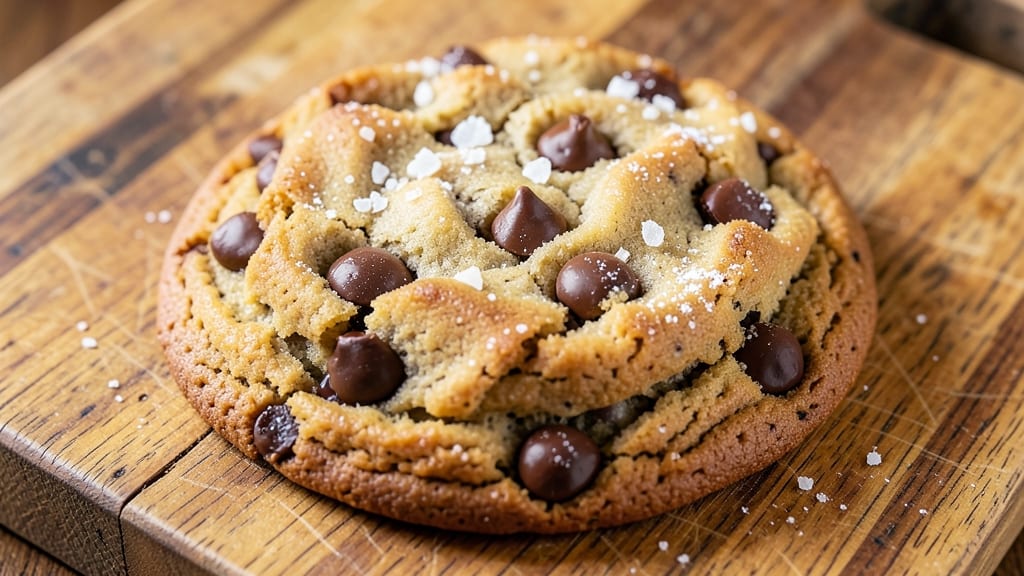
This big fluffy chocolate chip cookie recipe delivers the perfect balance of warm vanilla swirls and crispy edges—no more dense, flat cookies that crumble at the first bite. The secret lies in a precise mix of brown and white sugar, chilled dough, and a technique that ensures even baking. I've tested this recipe dozens of times, and it never fails to impress, whether you're baking for a crowd or treating yourself to a single, melt-in-your-mouth bite.
The foundation starts with room-temperature butter and a touch of cornstarch, which creates that signature tender yet sturdy texture. Letting the dough rest for 30 minutes allows the flour to hydrate fully, preventing tough cookies.
Meanwhile, the chocolate chips stay melty and evenly distributed, never sinking to the bottom or burning on top. This isn't just another cookie recipe—it's a foolproof method that turns out restaurant-quality results every time.
By the time you pull them from the oven, you'll have golden edges with a crackly crust and soft, pillowy centers that hold their shape without being dry. The aroma alone—warm vanilla, buttery richness, and the faintest hint of caramelized sugar—will have everyone gathering in the kitchen.
These cookies stay soft for days, making them perfect for gifting or meal prep.
Want to customize? Swap in white chocolate for a sweeter twist, add sea salt for a gourmet touch, or fold in chopped nuts for extra crunch.
The variations are endless, but the core technique remains the same: crispy edges, chewy centers, and melty chocolate in every bite. Let's get baking!
Ingredients for big fluffy chocolate chip cookie
Room-temperature butter and precise sugar ratios create the perfect fluffy chocolate chip cookie foundation.
| Ingredient | Amount | Notes |
|---|---|---|
| Unsalted Butter 🧈 | 1 cup | Room temperature, full-fat preferred |
| Granulated White Sugar 🍚 | ¾ cup | Superfine for smoother texture |
| Packed Brown Sugar 🍚 | ¾ cup | Light or dark, packed firmly |
| All-Purpose Flour 🌾 | 2 ½ cups | Spooning and leveling method |
| Cornstarch 🌾 | 1 tbsp | For tender, sturdy texture |
| Baking Soda 🧂 | 1 tsp | Freshly measured |
| Salt 🧂 | 1 tsp | Diamond Crystal preferred |
| Pure Vanilla Extract 🍯 | 2 tsp | High-quality, no imitation |
| Large Eggs 🥚 | 2 whole | Room temperature |
| Chocolate Chips 🍫 | 2 cups | Semi-sweet preferred |
| Vanilla Bean Paste 🍯 | 1 tbsp | Optional for extra flavor |
| Flaky Sea Salt 🧂 | ½ tsp | For finishing (optional) |
The butter must be room temperature—no cold lumps, no melted pools. Trader Joe's sells the perfect tubs if your kitchen isn't cooperative. For sugar, superfine white and packed brown give the best texture. King Arthur Flour makes excellent all-purpose flour, but any reliable brand works. The cornstarch is non-negotiable—it's what gives these cookies that tender yet sturdy structure. Measure your flour correctly by spooning it into the cup and leveling, not scooping directly from the bag. Baking soda and salt should be fresh, so if your pantry staples smell off, replace them.
No vanilla extract? Vanilla bean paste adds depth, but pure extract works fine. Eggs should be at room temperature for even mixing. Chocolate chips can be swapped for white chocolate or dark chocolate chunks, but semi-sweet is the classic. For a gourmet touch, fold in toasted nuts or sea salt flakes at the end. If you're baking at high altitudes, reduce the baking soda by a pinch to prevent over-browning. And trust me—do not skip the 30-minute dough rest. It makes all the difference in texture.
Store cookies in an airtight container at room temperature for up to 5 days. They'll stay soft and chewy, not dry. For longer storage, freeze portions on a tray first, then transfer to a bag for 3 months. The dough itself can be refrigerated for 48 hours or frozen for 3 months—just let it warm up before baking. These cookies reheat beautifully in the oven for 30 seconds to restore that fresh-from-the-oven warmth.
Why You'll Love This Recipe
- Here’s what sold me: that perfect balance of crispy edges and gooey centers. The brown sugar keeps them chewy, the cornstarch gives them that just-baked fluff, and the cold butter? It’s the secret to that melt-in-your-mouth texture. Honestly, I’ve tried fancier recipes—this one wins every time.
- No-Fuss Dough: I swear, this recipe has three mixing steps—cream butter and sugars, toss in dry ingredients, then fold in chips. That’s it. No chilling, no weird techniques, just straightforward magic that even my 10-year-old could handle (and she did, twice).
- Butter-Sugar Bliss: Here’s what sold me: that perfect balance of crispy edges and gooey centers. The brown sugar keeps them chewy, the cornstarch gives them that just-baked fluff, and the cold butter? It’s the secret to that melt-in-your-mouth texture. Honestly, I’ve tried fancier recipes—this one wins every time.
- Party in a Jar: Between us, these are my go-to for anything. Pack a jar for a last-minute hostess gift, freeze a batch for movie nights, or just keep one in your desk drawer for "emergency" cravings. They’re sturdy enough to travel but still taste like you baked them fresh—(yes, even on a Tuesday night).
Step-by-step instructions for big fluffy chocolate chip cookies
This method delivers cookies with crispy edges, soft centers, and vanilla swirls that stay warm for days.
Cream Butter and Sugars to Light and Fluffy
In a stand mixer fitted with the paddle attachment, beat the 1 cup unsalted butter until completely smooth and free of lumps, about 1-2 minutes. This ensures even distribution of fat. Add the 0.75 cup granulated white sugar and 0.75 cup packed brown sugar, then mix on medium speed for 3-4 minutes. You're looking for a pale, thick mixture that nearly doubles in volume—the sugars should dissolve completely and the texture should resemble whipped cream.
This creaming process incorporates air, which creates those signature air pockets that make the cookies light and fluffy. I press down on the mixture with my spatula occasionally to check for proper aeration—it should leave a clean imprint that slowly fills back in. If the mixture feels grainy, let it cream for another 30 seconds before proceeding.
Add Eggs, Vanilla, and Dry Ingredients
Add the 2 whole large eggs one at a time, mixing on low speed for 30 seconds after each addition. Then stir in the 2 tsp pure vanilla extract and 1 tbsp vanilla bean paste (if using) until fully combined. The mixture will look slightly curdled, but that's normal—the vanilla bean paste adds depth without overpowering.
In a separate bowl, whisk together the 2.5 cups all-purpose flour, 1 tbsp cornstarch, 1 tsp baking soda, and 1 tsp salt. Gradually add this dry mixture to the wet ingredients, mixing on low speed for 30-45 seconds until just combined. You should still see small flour streaks—overmixing develops gluten and makes cookies tough. Stop mixing as soon as the flour disappears.
Fold in Chocolate Chips and Chill
Remove the mixer bowl and gently fold in the 2 cups chocolate chips using a silicone spatula. I like to divide the dough into two equal portions for easier handling—this makes rolling and scooping much simpler. Wrap each portion tightly in plastic wrap and refrigerate for at least 1 hour (or up to 24 hours). Chilling firms up the butter, preventing excessive spreading in the oven and allowing the flour to hydrate fully.
Here's the thing—don't skip this step. Cold dough holds its shape better, resulting in thicker cookies with crispy edges and gooey centers. If you're short on time, place the dough balls in the freezer for 30 minutes instead. Just remember to let them sit at room temperature for 10 minutes before baking to prevent cracking.
Bake for Perfect Texture
Preheat your oven to 350°F and line two baking sheets with parchment paper. Scoop the chilled dough into 2-tablespoon portions (about 1.5 ounces each) and place them 3 inches apart on the prepared sheets. I use a cookie scoop for uniform size—this ensures even baking. Gently flatten each dough ball with your palm, pressing down lightly to create a ½-inch thick cookie.
Bake for 11-13 minutes until the edges are golden brown but the centers still look slightly underdone. The tops should have crispy edges with soft, puffy centers. If you're using the 0.5 tsp flaky sea salt, sprinkle it evenly over the cookies during the last 2 minutes of baking. Remove from the oven and let them cool on the baking sheet for 5 minutes before transferring to a wire rack. The centers will firm up slightly as they cool, but they'll stay soft and chewy.
Pro Tips For Making Big Fluffy Chocolate Chip Cookie
- Use Cold Butter, Not Soft: I learned this the hard way—mixing softened butter with brown sugar just makes the dough too sticky and flat. Scoop the butter straight from the fridge (cut into chunks) and let it sit at room temp for no more than 30 minutes—just until it’s pliable but still cool to the touch. This keeps the cookies thick, chewy, and properly spread.
- Pack the Brown Sugar Tight: Brown sugar clumps like a drama queen if not packed properly, and that means your cookies won’t be as sweet or moist. Use a spoon to press it firmly into the measuring cup—no tapping, no shaking—just press down until it’s level. Too loose, and your cookies will taste like they’re missing half the sugar.
- Bake Until Golden, Not Brown: The moment your edges look set but the centers are still soft is when you pull them out—not when they’re deep golden. Overbaking turns fluffy cookies into dry hockey pucks. If you’re unsure, lift the tray early: the cookies should look slightly underdone but firm to the touch. They’ll finish cooking as they cool.
- Chill Dough for 24 Hours (Yes, Really): I know, I know—you want cookies now. But letting the dough rest overnight in the fridge (or at least 4 hours) makes a massive difference. The flour absorbs moisture, the flavors meld, and the texture becomes buttery and tender. Plus, it’s harder to overbake cold dough, so you get more forgiving baking windows. (Pro move: shape them into balls and freeze them for up to 3 months.)
Troubleshooting great big fluffy chocolate chip cookie
Dense Cookies
If your cookies turn out dense instead of fluffy, the butter was likely too cold when you started mixing. Let it sit at room temperature for 1-2 hours before creaming—it should be soft enough to leave a slight indentation when pressed.
Another common culprit is overmixing the dough after adding flour, which develops gluten and creates a tough texture. Mix just until combined, about 30-45 seconds after the flour disappears. 🌡️
Flat Cookies
Flat, spread-out cookies usually mean the dough wasn’t chilled long enough or the butter was too soft. Always refrigerate the dough for at least 1 hour (or freeze for 30 minutes if short on time).
For extra insurance, use European-style butter (like Plugrá), which has a higher fat content and holds its shape better. Scoop dough balls to 1.5 ounces each and flatten them gently—they should be ½-inch thick before baking.
Burnt Tops
Burnt tops happen when the oven runs hot or the cookies bake too long. Rotate your baking sheets halfway through the 11-13 minute bake time to ensure even heat distribution. If your oven has hot spots, use the middle rack and avoid placing trays near the broiler element.
For extra insurance, sprinkle a pinch of flaky sea salt on the tops during the last 2 minutes—it reflects heat and helps create crispy edges without burning.
Chocolate Sinks
If your chocolate chips sink to the bottom, your dough was likely too warm when you folded them in. Always chill the dough for at least 1 hour before baking, and fold in chocolate chips just before scooping.
For even distribution, use high-quality semi-sweet chocolate chips (like Ghirardelli) and gently fold them in with a spatula. If you’re worried about sinking, try adding chips to the tops after baking for a pretty finish.
Dry Cookies
Dry cookies often result from overbaking or using too much flour. Pull them from the oven when the edges are golden but the centers still look slightly underdone—they’ll firm up as they cool. To prevent dryness, don’t overmix the dough, and use 1 tbsp cornstarch (not extra flour) for structure.
For extra moisture, add 1 tbsp sour cream or Greek yogurt to the dough. Store cookies in an airtight container to retain freshness for up to 5 days. ❄️
Cracked Tops
Cracked tops usually mean the dough was too cold when you baked it. Let dough balls sit at room temperature for 10 minutes before baking to prevent cracking. If your kitchen is cold, preheat the oven for 15 minutes before baking to ensure even heat.
For a smoother finish, press down lightly on the tops with your palm before baking, but don’t over-flatten—they should still be ½-inch thick.
Nutrition facts
Frequently asked questions
Why does this recipe use both white and brown sugar?
The combination creates the perfect balance: white sugar gives a crispy edge and tender texture, while brown sugar adds moisture and chewiness to the center. The 1:1 ratio ensures cookies stay soft for days without becoming too sweet.
Can I make these cookies without a stand mixer?
Use a hand mixer or even a sturdy wooden spoon. Cream the butter and sugars for 5-7 minutes by hand, mixing vigorously until light and fluffy. The key is patience—keep at it until the mixture nearly doubles in volume.
How do I store leftover cookies to keep them soft?
Store in an airtight container at room temperature for up to 5 days. For longer storage, freeze portions on a tray first, then transfer to a bag for 3 months. The dough itself keeps refrigerated for 48 hours or frozen for 3 months. Reheat in the oven for 30 seconds to restore freshness.
What's the secret to getting those perfect crispy edges?
Bake at 350°F for 11-13 minutes until edges are golden but centers still look soft. Rotate pans halfway through baking for even heat. For extra crispiness, sprinkle flaky sea salt on tops during the last 2 minutes—it helps create that caramelized crust.
Can I add mix-ins like nuts or white chocolate?
Yes! Fold in ½ cup chopped walnuts or pecans for crunch, or swap 1 cup chocolate chips for white chocolate chunks. For a gourmet touch, add ½ tsp cinnamon or ¼ tsp espresso powder to the dry ingredients. Just reduce chocolate chips by the same volume to maintain balance.