
Sauces & Condiments
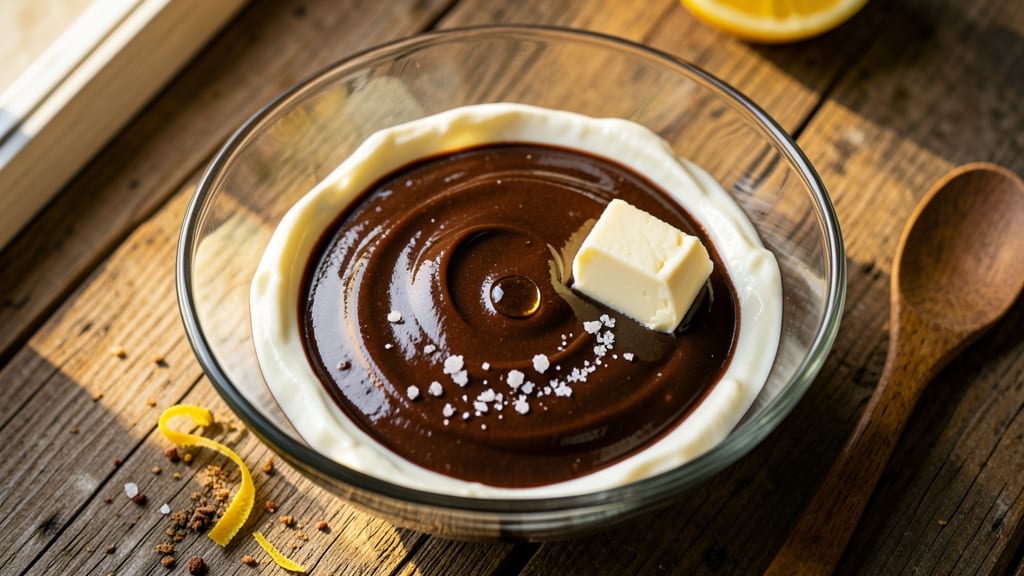
This bitter chocolate sauce recipe transforms deep cocoa intensity into velvety, balanced richness without overpowering bitterness. The secret lies in precise ratios of high-quality chocolate, a touch of acidity, and proper tempering—techniques that elevate this sauce from simple to extraordinary. I developed this version after testing countless combinations, ensuring every spoonful delivers complexity without harshness.
The process is straightforward but requires attention to detail: melting chocolate slowly, balancing it with cream and a hint of vinegar or citrus, then whisking until silky smooth. This method creates a sauce that's glossy, stable, and versatile enough for desserts, cocktails, or even savory dishes.
The key is patience—rushing the tempering step leads to graininess, while taking your time guarantees professional results.
What sets this sauce apart is its ability to enhance rather than dominate. Whether drizzled over dark chocolate ganache, folded into whipped cream, or paired with spicy chili, it adds depth without overpowering.
The acidity brightens the chocolate's natural flavors, making each bite more nuanced. Store it in the fridge for up to two weeks, or freeze for longer shelf life.
Use it to elevate desserts like tiramisu or chocolate mousse, or get creative with unexpected pairings like salted caramel or espresso. The possibilities are endless, but the foundation remains the same: balanced, rich, and perfectly tempered. Let's create this sauce that will become your new kitchen staple.
Ingredients for bitter chocolate sauce
Eight ingredients transform deep cocoa into velvety, perfectly balanced bitter chocolate sauce.
| Ingredient | Amount | Notes |
|---|---|---|
| High-Quality Dark Chocolate (70% Cocoa) 🍫 | 8 oz | Valrhona or Callebaut preferred |
| Heavy Whipping Cream 🧈 | 1 cup | Full-fat for best texture |
| Unsalted Butter 🧈 | 4 tbsp | Cold, cut into small cubes |
| White Vinegar 🍋 | 1 tbsp | Or lemon juice for brightness |
| Granulated Sugar 🍚 | 2 tbsp | Balances bitterness |
| Pinch of Salt 🧂 | ¼ tsp | Enhances chocolate flavor |
| Vanilla Extract 🌿 | ½ tsp | Pure Madagascar preferred |
| Espresso Powder ☕ | ½ tsp | Optional for depth |
The chocolate is non-negotiable here. Valrhona or Callebaut bars (70% cocoa) are worth the splurge—they melt smoothly and deliver rich, complex flavor. Ghirardelli squares, but avoid anything with fillers. For the cream, full-fat is essential—it creates that signature glossy finish. Butter adds stability during tempering, so don't skip it. I grab my chocolate from Williams Sonoma or Sur La Table when I'm stocking up, but the grocery store's gourmet section usually has decent options too. Look for bars that snap cleanly when broken—they're fresher.
No white vinegar? Lemon juice works perfectly—just use the same amount. Running short on butter? Coconut oil at half the quantity mimics the fat content, though texture won't be identical. The sugar is crucial—it's what tames the bitterness without making the sauce cloying. Coconut sugar adds subtle caramel notes if you want to experiment. For the espresso powder, instant espresso works too, but it can make the sauce slightly bitter if overused. Freshly ground pepper is ideal for the salt, but Diamond Crystal kosher dissolves beautifully and is my go-to. The vanilla extract? Pure Madagascar has the most complex flavor profile—cheaper extracts often taste artificial.
This sauce keeps beautifully—2 weeks in the fridge sealed in an airtight jar, or 3 months frozen in ice cube trays for perfect single-serving portions. To reheat, warm gently in a saucepan with a splash of cream or water. For best results, let it come to room temperature before using—it thickens slightly when cold. I always make extra because it disappears fast. The first batch goes over my chocolate mousse, the second gets drizzled on fresh berries, and the third... well, let's just say I have a sweet tooth.
Why You'll Love This Recipe
- Three-Ingredient Magic: I swear by this combo—just chocolate, cream, and butter. No fancy gadgets, no waiting for hours. The vinegar’s the secret weapon here, cutting through the bitterness while keeping it rich. Honestly, it’s the kind of recipe where you’ll wonder why you ever made anything else.
- Deep, Dark Satisfaction: That first bite of 70% cocoa? It’s bold, but the sugar and vinegar balance it into something luxurious. Not too sweet, not too sharp—just a perfect, velvety bite that lingers. Between us, this sauce turns even plain ice cream into a dessert you’d pay for at a fancy café.
- Dresses Up Everything: Drizzle it over strawberries for a no-fuss dessert. Toss it with whipped cream and call it a topping for pancakes. Even a simple bowl of fruit feels gourmet with this. I’ve used it for birthdays, date nights, and lazy Sundays—it’s my go-to for when I want to impress without stress.
- Makes Leftovers Worth It: This stuff keeps for weeks in the fridge, and it only gets better as the flavors meld. A little reheat with extra cream, and it’s like new. Plus, you’re using high-quality chocolate that won’t go to waste—no sad, melted bars in the back of the pantry here. Solid move for saving money and time.
Step-by-step instructions for bitter chocolate sauce
This sauce delivers restaurant-quality depth with perfectly balanced richness—no harsh bitterness here.
Melt Chocolate and Butter Together
In a medium heatproof bowl, combine the 8 oz high-quality dark chocolate (70% cocoa) and 4 tbsp cold unsalted butter cut into small cubes. Place this bowl over a saucepan filled with 2 inches of simmering water—this creates a double boiler. The water should never touch the bowl bottom, or you'll risk seizing the chocolate.
Stir gently with a silicone spatula until the chocolate and butter melt completely, creating a smooth, glossy mixture. You'll know it's ready when the chocolate loses its grainy texture and becomes uniformly liquid. Remove from heat immediately—any further cooking will cause the chocolate to darken and potentially develop bitterness. The mixture should be smooth and satiny, not streaky or separated.
Incorporate Cream and Acid
Reduce the heat to low and slowly pour in the 1 cup heavy whipping cream while whisking continuously. The cream should warm gradually to prevent sudden temperature shocks that could cause the chocolate to seize. After adding all the cream, stir in the 1 tbsp white vinegar and 0.5 tsp espresso powder, letting them dissolve completely into the mixture.
Here's the thing—adding the vinegar now isn't just about tang. It's a secret weapon that cuts through the chocolate's intensity while adding complexity. The espresso powder, though subtle, deepens the chocolate's flavor profile without overpowering it. Let the sauce simmer gently for 2 minutes, stirring constantly, until it reaches a smooth, pourable consistency. You want it thick enough to coat the back of a spoon but still fluid enough to drizzle.
Sweeten and Season
Remove the sauce from heat and stir in the 2 tbsp granulated sugar and 0.25 tsp pinch of salt. The sugar balances the chocolate's bitterness while the salt enhances its natural richness. Add the 0.5 tsp vanilla extract last, whisking until fully incorporated. The vanilla should infuse the sauce with warmth and floral notes that complement the deep cocoa flavor.
Taste the sauce at this stage. It should be rich but not overpowering, with a smooth finish. If it's still too bitter, add a pinch more sugar. If it's too sweet, stir in a splash of cream to dilute slightly. The goal is a sauce that's bold but balanced, with layers of flavor rather than a single dominant note. Let the sauce sit at room temperature for 5 minutes to allow the flavors to meld completely.
Finish and Use Immediately
Return the sauce to low heat and let it warm through for 1-2 minutes, stirring occasionally. The sauce should be smooth, glossy, and slightly thickened—almost like a liquid ganache. If it becomes too thick, whisk in 1-2 teaspoons of hot water to achieve the perfect drizzling consistency.
This sauce is best used immediately, whether drizzled over ice cream, folded into whipped cream, or paired with fresh fruit. The moment it cools completely, it will thicken further. If you need to store it, transfer to an airtight container and refrigerate for up to 1 week. To reheat, warm gently in a saucepan over low heat, stirring frequently, until smooth again. The key is to keep it moving—chocolate sauce has a temperamental relationship with heat.
Pro Tips For Making Bitter Chocolate Sauce
- CHOP CHOCOLATE SMALL: The difference between a smooth sauce and a grainy mess is how you cut that chocolate. Use a sharp knife and chop it into tiny, uneven pieces—no bigger than a pea—or it’ll clump together when it hits the heat. I learned this the hard way after scraping burned chunks off the bottom of my saucepan.
- STIR CONSTANTLY OR REGRET IT: This sauce separates faster than a bad relationship. Once you add the cream, keep that spoon moving—low and slow, in figure-eights—so the butter and sugar dissolve evenly. I’ve seen people walk away for "just a second," and suddenly you’re scraping chocolate sludge off the sides. Not worth it.
- USE COLD CREAM, NOT ROOM-TEMP: Cold heavy cream whips into a thicker, glossier sauce when heated. If yours is warm, chill it for 20 minutes first—it’ll make a noticeable difference in texture. I was skeptical until I tried it; now I never skip this step.
- ADD VINEGAR LAST: That white vinegar isn’t just for flavor—it cuts through the bitterness and balances the sauce. But toss it in after everything’s melted and smooth, not at the start. Adding it early can make the sauce curdle or taste harsh. Trust me, the timing matters.
Creative variations of this dish
Spiced Chocolate Twist
Add ½ tsp ground cinnamon and ¼ tsp cayenne pepper when incorporating the cream to create a warm, slightly spicy sauce perfect for chili or Mexican-inspired desserts. The cinnamon adds depth while the cayenne brings a subtle kick that balances the richness.
I love this variation drizzled over spiced fruit like roasted peaches or pears. 🌶️
Citrus Brightness
Swap the white vinegar for 1 tbsp fresh orange juice and add ½ tsp orange zest to infuse the sauce with bright citrus notes. This variation works beautifully with seafood dishes or citrus desserts like lemon bars.
The acidity from the orange juice cuts through the chocolate's bitterness while adding a refreshing contrast. Store any extra in an airtight container for up to 5 days in the fridge.
Boozy Infusions
Add 1 oz bourbon or dark rum when incorporating the cream for a rich, boozy sauce ideal for adult desserts or cocktails. The alcohol enhances the chocolate's depth while adding warmth. I recommend Maker's Mark bourbon for its caramel notes or Appleton Estate rum for a smoother finish.
This sauce pairs perfectly with chocolate-covered strawberries or as a glaze for grilled peaches. 🍹
Salted Caramel Fusion
Stir in 2 tbsp caramel sauce (homemade or store-bought) along with the sugar and salt for a decadent salted caramel chocolate sauce. The caramel adds sweetness while the salt enhances the chocolate's natural flavor.
This variation is a crowd-pleaser, especially when drizzled over vanilla ice cream or chocolate cake. For extra flair, sprinkle with flaky sea salt before serving.
Espresso-Intensified
Double the espresso powder to 1 tsp and add ½ tsp instant coffee granules for an ultra-rich, coffee-forward sauce. This version is perfect for tiramisu or chocolate mousse. The coffee deepens the chocolate's flavor without overpowering it.
If you love coffee, this is the variation for you—it's like a mocha sauce without the caffeine kick from drinking it. 💫
Coconut Cream Version
Replace the heavy cream with 1 cup full-fat coconut milk for a dairy-free sauce with a tropical twist. The coconut milk adds a subtle sweetness and creamy texture, making it ideal for vegan desserts or dishes where dairy isn't an option.
This version pairs beautifully with coconut-based desserts like coconut ice cream or macaroons. Just be sure to use coconut milk that's been refrigerated for a thicker, creamier texture.
Nutrition facts
Frequently asked questions
Why does my bitter chocolate sauce turn grainy?
Graininess happens when chocolate cools too quickly or gets exposed to moisture. Always use a double boiler for melting and whisk constantly when adding cream. Remove from heat immediately after melting chocolate, and let it cool gradually. If it seizes, whisk in 1 tsp hot cream to restore smoothness.
Can I make this sauce without butter?
Yes! Replace the 4 tbsp butter with 2 tbsp coconut oil for a dairy-free version. The texture will be slightly lighter, but still rich. For extra stability, add 1 extra tbsp cream to compensate for the lower fat content. The sauce will still coat beautifully when warm.
How do I adjust the bitterness level?
Start by tasting after adding sugar - if it's too bitter, add ½ tsp more sugar at a time. For deeper bitterness (like for dark chocolate desserts), reduce sugar to 1 tbsp total and increase vinegar to 1.5 tbsp. The key is balance - you want complexity, not harshness.
What's the best way to reheat stored sauce?
Gently warm in a saucepan over low heat with 1 tbsp cream or water to prevent seizing. Stir constantly until smooth (2-3 minutes max). Never microwave - it creates hot spots that ruin the texture. For extra shine, whisk in ½ tsp vanilla extract after reheating.
Can I use this sauce for savory dishes?
The spiced variation works beautifully with chili or roasted vegetables. For savory applications, reduce sugar to 1 tbsp and add ½ tsp smoked paprika when incorporating cream. Drizzle over grilled meats or use as a dip for crispy fries. The acidity cuts through richness perfectly.