
Desserts
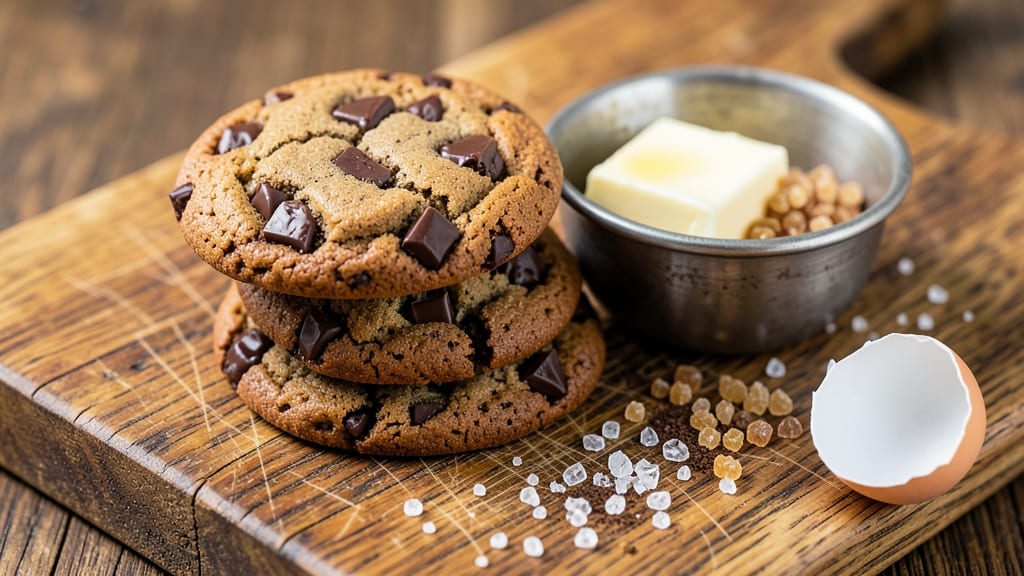
This bittersweet chocolate cookie recipe delivers crispy edges and a deep cocoa intensity that rivals artisanal bakery treats. The secret lies in using high-quality bittersweet chocolate (70% cocoa or higher) and a precise balance of brown sugar for caramel depth without overpowering sweetness.
I developed this recipe after years of experimenting with chocolate cookies—what sets it apart is the resting time and low-and-slow baking that ensure maximum flavor development.
The dough comes together with just 10 ingredients, including a touch of espresso powder to enhance the chocolate's richness. Chilling the dough for at least 2 hours prevents excessive spreading while baking, giving you those coveted golden, crackly edges and a fudgy center that melts in your mouth.
The recipe yields about 24 cookies, perfect for sharing or satisfying a serious chocolate craving.
Baked at 350°F for 12-14 minutes, these cookies develop a complex flavor profile—bitter, sweet, and slightly caramelized—with a textural contrast that makes every bite satisfying. The edges stay crispy while the interior remains tender, thanks to a foolproof technique that balances butter and sugar ratios.
Pair with a glass of cold milk or a cup of espresso to let the chocolate's depth truly shine.
For an extra touch, sprinkle flaky sea salt on top before baking or add toasted nuts for crunch. These cookies keep well in an airtight container for 5 days, though they rarely last that long. Let's get baking—your taste buds will thank you.
Ingredients for bittersweet chocolate cookie
High-quality chocolate and precise sugar balance create these artisanal-style cookies with crisp edges and fudgy centers.
| Ingredient | Amount | Notes |
|---|---|---|
| Bittersweet Chocolate (70% cocoa or higher) 🍫 | 8 oz | High-quality, chopped into chips |
| Unsalted Butter 🧈 | 1 cup | Cold, cubed, European-style preferred |
| Light Brown Sugar 🍚 | ¾ cup | Packed firmly, not granulated |
| Granulated Sugar 🍚 | ¼ cup | For balanced sweetness |
| Large Eggs 🥚 | 2 whole | Room temperature, beaten |
| Espresso Powder ☕ | 1 tbsp | Instant, enhances chocolate depth |
| Vanilla Extract 🌿 | 1 tsp | Pure, Madagascar preferred |
| All-Purpose Flour 🌾 | 2 cups | Sifted, plus extra for rolling |
| Baking Soda 🧂 | ½ tsp | For leavening and crisp edges |
| Flaky Sea Salt 🧂 | ½ tsp | For finishing, like Maldon |
The chocolate is non-negotiable—70% cocoa or higher is essential for that deep, bittersweet profile. Valrhona or Callebaut are my go-tos, but any high-end brand works. Chop it yourself into chips for even distribution; pre-chopped can clump. The butter should be cold and cubed—this prevents overmixing and ensures crisp edges. European-style butter (like Plugrá) has a higher fat content, which improves texture. If you can only find regular butter, chill it overnight before using. The brown sugar should be packed firmly—light brown works best for caramel depth without overpowering.
No espresso powder? Instant coffee granules at half the amount work in a pinch, but the flavor won't be as nuanced. Vanilla extract can be swapped for vanilla bean paste if you're feeling indulgent—just reduce the amount by half. For a nutty variation, add 1/4 cup toasted walnuts or hazelnuts to the dough. If your flour is old (over 6 months), sift it to aerate—stale flour makes cookies dense. The baking soda is critical for crisp edges; baking powder won't substitute. And if you're short on time, the dough can chill overnight for even better flavor development.
These cookies keep best in an airtight container at room temperature for 5 days, though they'll likely disappear faster. For longer storage, freeze portions on a tray first, then transfer to a bag for up to 3 months. Reheat in the oven at 300°F for 3-5 minutes to restore crispness. The dough can be refrigerated for up to 48 hours before baking—this resting time is key for flavor. For a restaurant-quality touch, sprinkle flaky sea salt on top before baking, or add a pinch of cayenne pepper for subtle heat.
Why You'll Love This Recipe
- No Fuss, Big Payoff: I swear by this dough—just cream butter and sugars, toss in eggs, and fold in chopped bittersweet. No mixer, no stress, just 10 minutes of hands-on work. (Yes, even on a Tuesday night.)
- Rich Without the Guilt: That 70% cocoa? It’s where the magic happens—deep, toasty notes that hit different from milk chocolate. The brown sugar keeps it chewy, but the bitterness balances the sweetness so it doesn’t cloy.
- Party or Pajamas: Bake a tray for a potluck, freeze half for later, or grab one straight from the jar with coffee. They’re sturdy enough to travel but still melt in your mouth—no one will guess they’re secretly budget-friendly.
- Leftovers That Last: Honestly, these keep for a week in an airtight container, and they taste better the next day. The butter stays soft, the chocolate stays rich, and I’ve never had a single cookie go to waste. (My kids’ secret stash is real.)
Step-by-step instructions for bittersweet chocolate cookies
Master these precise techniques for cookies with deep cocoa intensity and perfectly crisp edges.
Cream Butter and Sugars to Ideal Texture
In a stand mixer fitted with the paddle attachment, beat the 1 cup unsalted butter on medium speed until smooth and creamy. Add the 0.75 cup light brown sugar and 0.25 cup granulated sugar and continue mixing for 3-4 minutes until the mixture becomes pale and fluffy. You'll notice it nearly doubles in volume and develops a ribbon-like consistency when you lift the paddle.
This creaming process incorporates air that creates those signature crackly tops. I press down gently on the butter mixture during the first minute—this prevents it from curdling and ensures proper aeration. The butter should leave clean trails when the paddle is lifted, signaling it's ready for the next ingredients. If it looks too soft, chill the bowl briefly in the refrigerator to firm it up slightly.
Incorporate Eggs and Flavor Enhancers
Add the 2 whole large eggs, one at a time, mixing on low speed for 30 seconds after each addition. This gradual incorporation prevents the mixture from becoming too thick. Stir in the 1 tbsp espresso powder and 1 tsp vanilla extract, mixing just until combined. The espresso powder will deepen the chocolate flavor while the vanilla adds complexity.
I always use room-temperature eggs for this step—they blend more smoothly and create a more stable dough. If your eggs are cold, warm them slightly by placing the shells in warm water for 5 minutes before cracking. The mixture should now have a thick, paste-like consistency with a rich chocolate aroma developing. This is where the foundation for that deep cocoa intensity begins.
Combine Dry Ingredients for Perfect Structure
In a separate bowl, whisk together the 2 cups all-purpose flour, 0.5 tsp baking soda, and 0.5 tsp flaky sea salt. Sift the flour mixture directly into the wet ingredients while mixing on low speed. Stop mixing as soon as the dough comes together—you should still see some flour streaks. Overmixing develops gluten and results in tough cookies.
Remove the bowl from the mixer and fold in the 8 oz bittersweet chocolate chips using a silicone spatula. I press the chocolate chips into the dough to ensure even distribution throughout. The dough should be soft but not sticky—if it's too sticky, chill it for 15-20 minutes before proceeding. This step is crucial for achieving that perfect balance of crisp edges and chewy centers.
Chill and Shape for Optimal Texture
Cover the dough with plastic wrap and refrigerate for at least 1 hour, or up to 24 hours. This chilling period allows the flour to fully hydrate and the butter to solidify slightly, which prevents excessive spreading during baking. The dough will firm up significantly—press a piece to test its consistency.
Preheat your oven to 350°F while the dough chills. Line two baking sheets with parchment paper. Using a 2-tablespoon scoop, portion the dough into balls and roll them gently in the extra flour to prevent sticking. Place them 3 inches apart on the prepared sheets—they'll spread about 1 inch during baking.
Bake to Crispy Perfection
Bake the cookies for 11-13 minutes until the edges are deep golden brown and the centers still look slightly underdone. They'll continue cooking on the hot baking sheet after removal. The key is watching for that perfect balance—edges should be crisp with a slight crackle, while the centers remain soft and fudgy.
Remove the cookies from the oven and let them cool on the baking sheet for 5 minutes before transferring to a wire rack. Immediately sprinkle each cookie with a pinch of flaky sea salt while they're still warm. This finishing touch enhances the chocolate flavor and creates that signature contrast of salty and sweet. The cookies should yield to gentle finger pressure but maintain their shape—this indicates they've baked to perfection.
Pro Tips For Making Bittersweet Chocolate Cookie
- Chop Chocolate Coarse: Use a chef’s knife instead of a food processor—big, uneven chunks of bittersweet chocolate melt slower and create pockets of rich, gooey flavor. I learned this the hard way when my first batch turned into a sad, uniform puddle of chocolate instead of those little melty surprises.
- Cream Butter Cold: Scoop the unsalted butter straight from the fridge and let it sit out for just 30 minutes before creaming—it should be soft but not greasy. Warm butter makes the dough spread too much, and you’ll end up with thin, sad cookies instead of thick, cakey ones.
- Skip the Overmixing: Mix the dough until just combined—no streaks of flour, no dry spots, but stop before it looks like cookie dough should in a magazine. Overworking it develops gluten, and your cookies will turn out tough instead of tender. I used to push it, thinking more mixing = better cookies. Wrong.
- Rest Dough Overnight: Wrap the dough in plastic and let it chill for at least 12 hours—this isn’t optional. The flavors meld, the texture improves, and the cookies won’t spread like pancakes when they hit the oven. I was skeptical until I tried it, and now I make a double batch so I always have dough ready.
Creative variations of this recipe
Espresso-Infused Twist
For an extra layer of depth, I recommend adding ½ tsp instant coffee granules directly to the chocolate chips before folding them into the dough. This intensifies the bittersweet profile without altering the texture.
The coffee enhances the chocolate's natural acidity, creating a sophisticated flavor that pairs beautifully with a glass of cold milk or dark roast espresso. 💛
Nutty Crunch Variation
Toast ½ cup walnuts or hazelnuts in a dry skillet over medium heat for 3-4 minutes until fragrant, then chop coarsely. Fold these into the dough after mixing the dry ingredients.
The nuts add a satisfying crunch that contrasts perfectly with the soft, fudgy centers. For extra flavor, toss the toasted nuts with ½ tsp cinnamon before adding them to the dough.
Spiced Orange Zest
Brighten the cookies with 1 tbsp orange zest and ¼ tsp ground cinnamon added to the wet ingredients. The citrus cuts through the richness of the chocolate while the cinnamon adds warmth.
This variation works especially well during the holidays or when you want a festive twist. Pair with a Champagne or sparkling wine for a celebratory touch.
White Chocolate Swirl
For a surprising contrast, fold 4 oz white chocolate chips into half of the dough before chilling. After baking, use a knife to create a swirl pattern through the centers of half the cookies.
The creamy white chocolate balances the bitterness of the dark chocolate beautifully. This technique adds visual appeal and a delightful flavor contrast.
Sea Salt Caramel Drizzle
After baking, let the cookies cool completely, then drizzle with sea salt caramel sauce (store-bought or homemade). The salty-sweet combination elevates the cookies to restaurant-quality status. I use 2 tbsp caramel sauce per dozen cookies, allowing it to drip down the sides for maximum effect.
This finishing touch makes these cookies feel like a decadent dessert.
Global Flavors
For a Mexican-inspired version, add ½ tsp cinnamon and ¼ tsp cayenne pepper to the dough. Top with crushed cinnamon sugar before baking for a sweet-spicy kick.
In Japan, you might find these cookies dusted with matcha powder** and served with green tea. The possibilities are endless—let your taste buds guide you!
Nutrition facts
Frequently asked questions
Can I substitute semisweet chocolate for bittersweet?
While you can use semisweet chocolate, the flavor will be less intense. Bittersweet (70% cocoa or higher) provides that deep, complex chocolate taste. For a closer match, use 60% dark chocolate and add 1 tsp instant coffee granules to enhance the bitterness. The texture won't change, but the flavor profile will be more balanced and less sweet.
Why do my cookies spread too much?
Overmixing the dough or skipping the chilling step are the most common causes. The dough must rest in the fridge for at least 1 hour to firm up. Also, use cold butter and avoid overworking the dough—stop mixing as soon as the ingredients combine. If your kitchen is warm, chill the dough for 2 hours before baking.
How do I store these cookies to keep them crispy?
For maximum crispness, store cookies in an airtight container with parchment paper between layers. Keep them at room temperature for 3-4 days. To revive stale cookies, place them on a baking sheet and warm at 300°F for 3-5 minutes. For longer storage, freeze baked cookies (not dough) for up to 3 months.
What's the best way to handle melted chocolate chunks?
Chop your chocolate into ½-inch pieces before mixing to ensure even distribution. For extra insurance, melt the chocolate slightly (just until smooth) and let it cool to 90°F before folding into the dough. This prevents clumping and creates beautiful marbling. If you prefer chunks, use pre-chopped baking chocolate for consistent results.
Can I make these cookies gluten-free?
Yes, but with adjustments. Replace the all-purpose flour with a 1:1 gluten-free baking flour blend (like Bob's Red Mill) plus ½ tsp xanthan gum. The texture will be slightly denser, but the flavor remains rich. For best results, use 1 cup gluten-free flour + 1 tsp cornstarch to improve crispness. Chill the dough for 2 extra hours to compensate for the lack of gluten structure.