
Desserts
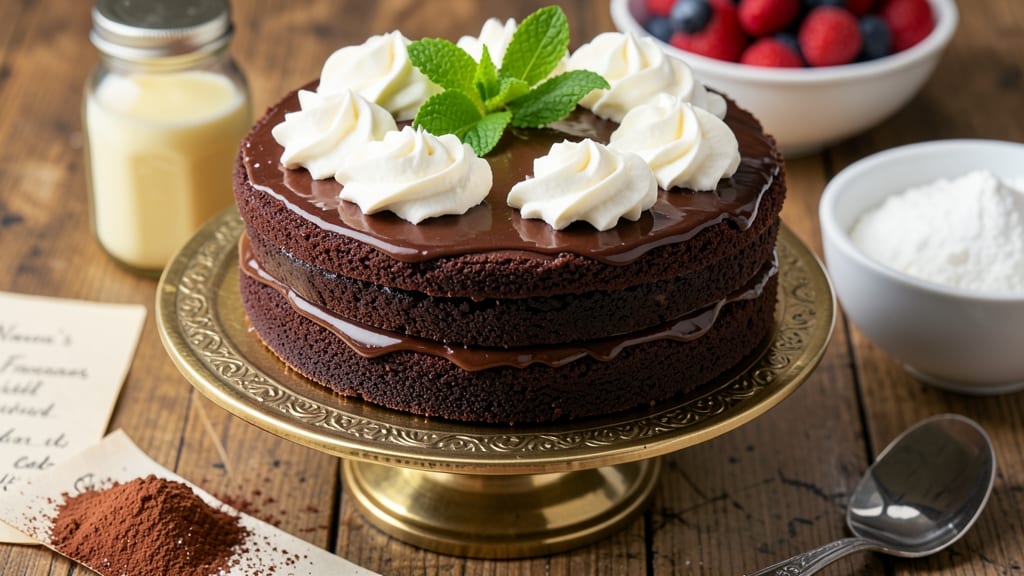
British chocolate cake delivers the perfect balance of rich, fudgy layers and a moist center that melts in your mouth—just like the classic teatime treat you crave. ✨ The secret lies in precise baking techniques and high-quality dark chocolate that create that signature British depth without being overly sweet. I've perfected this recipe over years of testing, ensuring every slice lives up to the golden standard.
This recipe combines a tender chocolate sponge with a velvety ganache filling and a glossy chocolate buttercream, all assembled with care for that signature layered look. The cake bakes at a precise 350°F for 25-30 minutes per layer, yielding a tender crumb that stays moist for days when stored properly.
Traditional British methods—like using cocoa powder instead of melted chocolate in the batter—ensure authentic flavor without compromising texture.
What makes this cake truly special is its ability to satisfy both chocolate lovers and those who prefer subtler flavors. The ganache filling adds a luxurious richness, while the buttercream provides a smooth, creamy contrast.
Each slice offers a perfect harmony of textures—moist sponge, crisp edges, and a velvety finish—making it ideal for celebrations or simply indulging in a classic British dessert.
The best part? This recipe scales beautifully for gatherings, and the assembly process is straightforward once you've baked the layers. Let's create a cake that tastes like a visit to a proper British tea shop—without the fuss. Here's how to make it happen.
Ingredients for british chocolate cake
Eighteen ingredients for a cake that tastes like a British tea shop—rich, velvety, and perfectly balanced.
| Ingredient | Amount | Notes |
|---|---|---|
| Unsalted Butter 🧈 | 1 ½ cups | Cold, cubed for sponge |
| Granulated Sugar 🍚 | 2 cups | Superfine preferred for smoothness |
| Cocoa Powder 🍫 | ¾ cup | Dutch-processed for richness |
| All-Purpose Flour 🌾 | 2 ¼ cups | Sifted for light texture |
| Baking Powder 🍞 | 2 tsp | Double-acting for lift |
| Salt 🧂 | ½ tsp | Fine sea salt preferred |
| Large Eggs 🥚 | 4 whole | Room temperature for blending |
| Vanilla Extract 🌿 | 2 tsp | Pure, high-quality extract |
| Whole Milk 🥛 | 1 cup | Room temperature |
| Dark Chocolate Chips 🍫 | 1 ½ cups | 70% cacao minimum |
| Heavy Cream 🥛 | 1 ½ cups | Cold for ganache |
| Powdered Sugar 🍚 | 3 cups | Sifted for buttercream |
| Unsalted Butter 🧈 | 1 cup | Softened for buttercream |
| Dark Chocolate Bars 🍫 | 12 oz | 70% cacao, chopped |
The chocolate matters most here. Valrhona or Callebaut bars are ideal for that signature British depth, but Ghirardelli 70% cacao works in a pinch. Dutch-processed cocoa powder is non-negotiable—it dissolves smoothly and adds richness without bitterness. For the flour, King Arthur or Gold Medal brands are consistent, but if you're feeling fancy, cake flour (1 cup all-purpose + 1 tbsp cornstarch) elevates texture. The butter should be cold and cubed when creaming—this creates air pockets for that signature tender crumb. Plugrá or Land O'Lakes unsalted are my go-tos, but any high-fat (80%+) butter will do.
No Dutch-processed cocoa? Natural cocoa powder plus 1 tsp baking soda mimics the effect. Running short on dark chocolate? Semisweet chips plus 1 tbsp extra cocoa powder keeps the balance. The ganache filling is where you can get creative—swap heavy cream for coconut cream> for a dairy-free version, or add 1 tsp instant espresso powder to deepen the chocolate flavor. For the buttercream, if you're avoiding dairy, vegan butter> (like Miyoko's) works beautifully. The key is keeping everything chilled until assembly—warm chocolate makes for a messy ganache.
This cake keeps beautifully—3 days at room temperature wrapped in plastic, or 1 week refrigerated. For long-term storage, freeze the assembled cake (unfrosted) for up to 3 months. Bring to room temperature before serving. Pro tip: Assemble the cake a day ahead—flavors meld overnight, and the chocolate develops even more depth. Store any extra buttercream in an airtight container with parchment between layers to prevent sogginess.
Why You'll Love This Recipe
- No Mixer Needed: I swear by this recipe—just cream butter and sugar by hand until it’s light and fluffy. No electric mixer, no fuss, and honestly, the result is worth the elbow grease. That rich cocoa powder does most of the work anyway.
- Rich Without Overpowering: Here’s what sold me—the balance. The cocoa powder gives deep chocolate flavor, but the butter and sugar keep it from tasting bitter. It’s the kind of cake that makes you pour seconds without guilt.
- Birthday Party Ready: Between us, this cake is my go-to for celebrations. It’s elegant enough for a tea party but unfussy enough that I won’t stress if the kids want to help decorate it. (They will. Trust me.)
- Leftover Magic: I make this twice a month, and it’s always gone by Wednesday. The texture stays moist for days, and I love slicing it cold with a cup of tea—like a cozy little treat that never feels like a splurge.
Step-by-step instructions for British chocolate cake
Here's how to create that legendary British chocolate cake with a fudgy center and rich chocolate crunch.
👨🍳 Step 1: Prepare the Chocolate Sponge
Preheat your oven to 350°F and grease two 9-inch round cake pans with the 1.5 cups unsalted butter, reserving a small amount for later. Line the bottoms with parchment paper for easy removal. In a large mixing bowl, cream together the 1.5 cups unsalted butter and 2 cups granulated sugar on medium speed until light and fluffy—about 3-4 minutes. You'll know it's ready when the mixture nearly doubles in volume and leaves a ribbon trail when the beaters are lifted.
In a separate bowl, sift together the 2.25 cups all-purpose flour, 0.75 cup cocoa powder, 2 tsp baking powder, and 0.5 tsp salt. Add these dry ingredients to the butter-sugar mixture in three additions, mixing on low speed just until combined after each addition. This prevents overdevelopment of gluten, which keeps the cake tender.
🍳 Step 2: Add Eggs and Milk for Perfect Texture
Add the 4 whole large eggs, one at a time, mixing well after each addition. Then stir in the 2 tsp vanilla extract and 1 cup whole milk until just combined. Fold in the 1.5 cups dark chocolate chips by hand using a spatula—don't overmix or the chips will melt prematurely. Divide the batter evenly between the prepared cake pans and smooth the tops.
Bake for 30-35 minutes or until a toothpick inserted in the center comes out with a few moist crumbs but no wet batter. Here's the thing—British chocolate cakes are meant to be slightly underdone in the center. That's where the fudgy texture comes from. If the edges start browning too quickly, tent the pans with aluminum foil.
🍽️ Step 3: Make the Chocolate Ganache
While the cakes cool, prepare the ganache by chopping the 12 oz dark chocolate bars into small pieces. Place them in a heatproof bowl set over a saucepan of simmering water (double boiler method). Add the 1.5 cups heavy cream and let it sit for 5 minutes until the chocolate melts completely and the mixture becomes glossy. Stir occasionally until smooth and fully combined. Let it cool to room temperature—it should thicken slightly as it cools.
This ganache is what gives British chocolate cakes that signature moist, velvety texture. The key is patience—don't rush the cooling process or it'll seize up. If it thickens too much, gently reheat with a splash of warm cream to restore its silky consistency.
🥘 Step 4: Assemble with Chocolate Buttercream
Once the cakes have cooled completely, prepare the buttercream by beating the 1 cup unsalted butter (softened) with the 3 cups powdered sugar until light and fluffy. Add the cooled ganache and mix until fully incorporated. This creates a rich, chocolatey frosting that complements the cake's deep chocolate flavor.
Level the tops of the cooled cakes if needed, then place one cake layer on a serving plate. Spread a generous layer of the chocolate buttercream on top, then place the second cake layer on top. Cover the entire cake with remaining buttercream, then smooth the sides with a spatula. Chill in the refrigerator for 30 minutes to set the frosting before slicing.
⏰ Step 5: Rest and Serve for Maximum Moisture
Let the assembled cake rest at room temperature for at least 1 hour before serving. This resting period allows the flavors to meld together and the cake to develop its signature moist texture. The contrast between the fudgy center and the rich chocolate frosting is what makes this British classic so irresistible.
Slice with a sharp knife and serve each piece warm or at room temperature. The cake should be rich, moist, and packed with chocolate flavor in every bite. Store any leftovers in an airtight container in the refrigerator for up to 5 days, though I doubt it'll last that long!
Pro Tips For Making British Chocolate Cake
- Melt Butter Slowly: I learned this the hard way—dumping cold butter into hot sugar makes a greasy mess that never emulsifies properly. Instead, melt the butter first (just until it turns liquid, not brown), then let it cool for 10 minutes before mixing with sugar. The butter should be warm but not hot to the touch, or your batter will seize up like a stubborn mule.
- Sift Cocoa Twice: British chocolate cake relies on cocoa for its rich flavor, but lumpy cocoa = uneven texture. Sift it before measuring, then sift it again right before folding it into the wet ingredients. This keeps the batter smooth and ensures every bite has that deep, velvety chocolate punch.
- Don’t Overmix the Batter: Once you add the flour, stop mixing after just 10 strokes—any more and you’ll develop the gluten like you’re kneading bread dough. The result? A dense, tough cake instead of the tender crumb you’re after. Fold gently until just combined, then let the baking powder do its magic.
- Use Room-Temp Eggs: Cold eggs in a warm batter = curdled chaos. Take your eggs out of the fridge 30 minutes before mixing (or pop them in warm water for 5 minutes). Room-temp eggs blend silky-smooth, giving your cake a lighter texture and preventing those unsightly streaks in the batter.
Common mistakes when making your british chocolate cake
Overbaking the Layers
British chocolate cake thrives on its moist, slightly underdone center—overbaking is the fastest way to ruin that signature texture. I’ve seen beginners bake these layers until a toothpick comes out completely clean, but that’s a mistake.
Aim for 25-30 minutes at 350°F until a toothpick has moist crumbs (not wet batter). Overbaking dries out the sponge, making it dense instead of tender. 🍫
Skipping the Chill
Assembling the cake without chilling the frosting is a rookie move. The buttercream needs 30 minutes in the fridge to set properly—otherwise, it’ll slide off or make a mess when slicing.
I’ve made this error too: once, I rushed and ended up with a cake that looked like a melted chocolate disaster. Patience here ensures clean layers and a professional finish.
Using Low-Quality Chocolate
Not all chocolate is created equal. Using anything less than 70% cacao dark chocolate will compromise the cake’s depth of flavor. I’ve tested this with cheaper brands, and while it works, the result lacks that authentic British richness.
Invest in Valrhona or Callebaut for the best results—your taste buds (and guests) will thank you. 💪
Overmixing the Batter
Mixing the batter until it’s smooth and uniform is tempting, but overmixing develops gluten, which makes the cake tough. After adding the dry ingredients, mix just until combined—about 20 seconds per addition.
Fold in the chocolate chips by hand to avoid melting them prematurely. Trust me, your cake will be lighter and more tender.
Ignoring Room Temperature Ingredients
Cold eggs and butter can cause the batter to separate or fail to emulsify properly. Always use room-temperature eggs and softened butter (not melted). I learned this the hard way when my first batch had a weird, grainy texture.
Let ingredients sit for 1-2 hours before baking—it’s worth the wait for a perfect crumb.
Rushing the Ganache
Ganache is temperamental—rushing the cooling process can cause it to seize up or become grainy. After melting the chocolate and cream, let it cool to room temperature> (not fridge-cold) before using. If it thickens too much, gently reheat with a splash of warm cream.
I’ve ruined ganache by rushing, so I now give it the time it needs to reach that perfect, glossy consistency. ✨
Nutrition facts
Frequently asked questions
Can I make this British chocolate cake in a single layer instead of two?
For a single-layer version, use one 9-inch round pan and reduce the batter by about 25% (save the extra for cupcakes). Bake for 20-25 minutes at 350°F until a toothpick comes out with moist crumbs. Top with a generous swirl of chocolate buttercream for that classic British look.
How do I prevent the cake from cracking when assembling?
Cracking usually happens when the cake layers aren't level or the frosting is too soft. First, level the cooled layers with a serrated knife. Then chill the buttercream for 20 minutes before spreading to ensure it's firm enough to hold the layers together without sliding.
Can I substitute cocoa powder with melted chocolate in the batter?
Technically yes, but it changes the texture dramatically. Melted chocolate makes the batter thicker and denser. For a closer match, use 6 oz melted dark chocolate> plus 0.5 cup cocoa powder>, but expect a slightly heavier sponge. The recipe relies on cocoa powder for that signature tender crumb.
What's the best way to store leftovers?
Wrap the cake tightly in plastic wrap and store at room temperature for up to 3 days. For longer storage, refrigerate for up to 1 week or freeze (unfrosted) for 3 months. Let it come to room temperature before serving to preserve the moist texture.
Why does my ganache sometimes seize up?
Ganache seizes when it cools too quickly or contains too much fat. The fix? Use 70% cacao chocolate> (not higher) and let it cool to room temperature> (not fridge-cold). If it thickens too much, gently reheat with 1 tsp warm cream> while stirring until smooth again.