
Desserts
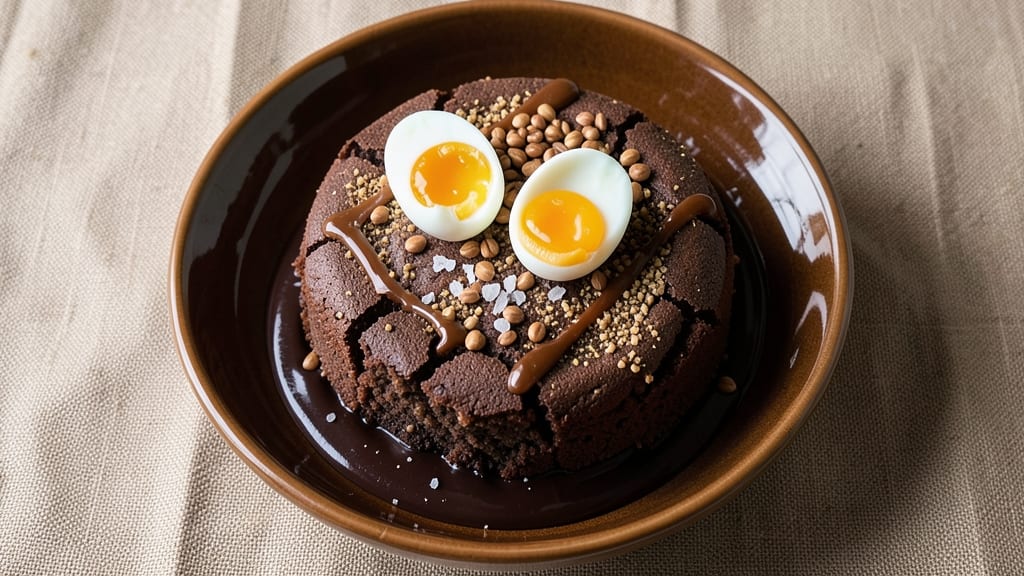
This buckwheat chocolate cake delivers a rich, fudgy texture with earthy buckwheat depth and velvety cocoa intensity—perfect for plant-based bakers craving something indulgent yet wholesome. The secret lies in blending buckwheat flour’s nutty notes with dark chocolate for a cake that’s moist, dense, and irresistibly flavorful without dairy or eggs.
I’ve perfected this recipe over years of testing, ensuring every layer stays tender while developing that signature buckwheat crunch.
The process is straightforward but requires attention to detail: combining dry ingredients separately, then folding in melted butter (or dairy-free alternative) and aquafaba for structure. Baking at 350°F for 40-45 minutes yields a cake with a crackly top and fudgy crumb—no dryness here.
The buckwheat flour adds a subtle earthiness that pairs beautifully with the deep chocolate flavor, creating a dessert that’s both sophisticated and approachable.
What sets this cake apart is its versatility: serve it plain for a rustic appeal, or top with a vegan chocolate ganache for extra decadence. The texture is dense yet moist, with pockets of chocolate that melt into every bite.
It’s the kind of cake that feels special enough for gatherings but simple enough to bake on a weeknight. Let’s get to the recipe—your taste buds will thank you.
For those new to buckwheat, don’t worry—its nutty flavor enhances rather than overpowers the chocolate. Substitutions like flax eggs or coconut oil ensure this recipe works for any dietary need while keeping the cake’s signature richness intact. Ready to bake? Here’s everything you need to create this showstopping dessert.
Ingredients for buckwheat chocolate cake
Eight essential ingredients transform into a decadent vegan cake with earthy buckwheat and velvety chocolate layers.
| Ingredient | Amount | Notes |
|---|---|---|
| Buckwheat Flour 🌾 | 1 ½ cups | Ensure 100% buckwheat, not blended |
| All-Purpose Flour 🌾 | ½ cup | Organic preferred for better texture |
| Unsweetened Cocoa Powder 🍫 | ¾ cup | Natural, not Dutch-processed |
| Dark Brown Sugar 🍚 | 1 ½ cups | Packed firmly for accurate measurement |
| Granulated Sugar 🍚 | ½ cup | Light brown preferred for depth |
| Vegan Butter 🧈 | 1 cup | Melted, full-fat for richness |
| Aquafaba 🥫 | ¾ cup | From 2 cans chickpeas, whipped |
| Unflavored Almond Milk 🥛 | ½ cup | Room temperature for best mixing |
| Pure Vanilla Extract 🌿 | 1 tbsp | Bourbon-infused for depth |
| Baking Soda 🧂 | 1 tsp | Freshly opened for potency |
| Salt 🧂 | ½ tsp | Fine sea salt preferred |
| Espresso Powder ☕ | 1 tsp | Enhances chocolate depth |
| Instant Coffee Granules ☕ | 1 tsp | Optional, for extra richness |
The buckwheat flour is non-negotiable—Bob's Red Mill or Anthony's Goods deliver the most consistent quality. Look for 100% buckwheat, not those blended flours that dilute the nutty depth. The cocoa powder should be natural (not Dutch-processed) for proper chemical reactions with baking soda. For the sugars, Domino dark brown sugar is my go-to, but any light brown works. The vegan butter matters too—Miyoko's or Earth Balance melt beautifully without compromising texture. Aquafaba is the secret binder here, so save those chickpea cans. Whip it until stiff peaks form for maximum structure.
No buckwheat flour? Substitute with 100% whole wheat flour, but expect a denser crumb. Out of cocoa powder? Double the chocolate chips (vegan, of course) and reduce sugar by 2 tbsp. The espresso powder can be swapped for 1 tsp instant coffee granules if you prefer. For the almond milk, any unsweetened plant milk works—oat milk adds creaminess, while soy milk enhances structure. The vanilla extract is where you can splurge—Bourbon-infused adds complexity without alcohol content. And if you're worried about the cake being too dense, add 1 tbsp apple cider vinegar to the wet ingredients for lift.
Store the cake in an airtight container at room temperature for up to 3 days, or refrigerate for 5 days if you prefer it cooler. For longer storage, wrap tightly in plastic wrap and freeze for up to 3 months. The texture actually improves after a day or two—this cake develops its signature fudgy perfection over time. To serve, let it sit at room temperature for 20 minutes before slicing. The ganache topping (if using) should be tempered to 70°F before pouring to prevent cracking. Portion into individual slices for easy serving at gatherings.
Why You'll Love This Recipe
- Same batter, two vibes: serve it plain for a quick breakfast or dinner dessert, or dust it with powdered sugar and a sprinkle of sea salt for a birthday-worthy treat. Honestly, I’ve used it for both—no shame.
- No Mixer Needed: I swear by this recipe for lazy days—just whisk the buckwheat flour and cocoa powder into the wet ingredients until smooth. No electric mixer, no fuss, and the texture still turns out tender. (Yes, even when I forget to sift.)
- Deep Chocolate Magic: That unsweetened cocoa powder and dark brown sugar combo? It’s ridiculously rich without being overpowering. The buckwheat adds a subtle earthiness that cuts through the sweetness—like a grown-up chocolate cake that still feels indulgent.
- Weeknight or Celebration: Same batter, two vibes: serve it plain for a quick breakfast or dinner dessert, or dust it with powdered sugar and a sprinkle of sea salt for a birthday-worthy treat. Honestly, I’ve used it for both—no shame.
Step-by-step instructions for buckwheat chocolate cake
This method delivers a perfectly balanced cake with rich chocolate depth and subtle earthy buckwheat notes.
Prepare the Aquafaba and Whip the Butter
In a clean, dry mixing bowl, combine the 0.75 cup aquafaba from 2 cans of chickpeas. Using an electric mixer on high speed, whip the aquafaba until it forms stiff peaks—this should take about 5-7 minutes. You'll know it's ready when the mixture holds its shape when the whisk is lifted. Set aside and keep the mixer running.
In a separate heatproof bowl, melt the 1 cup vegan butter in 10-second intervals in the microwave, stirring between each interval. This prevents overheating and butter separation. Once fully melted, let it cool to 100°F (just warm to the touch) before using. The butter should be smooth but not hot—this ensures proper emulsification with the aquafaba.
Combine Wet Ingredients and Fold in Dry Components
In a large mixing bowl, combine the 1.5 cups dark brown sugar and 0.5 cup granulated sugar. Add the 0.5 cup unflavored almond milk and 1 tbsp pure vanilla extract, mixing until the sugars dissolve completely. This creates a smooth base for the cake batter.
In a separate bowl, sift together the 1.5 cups buckwheat flour, 0.5 cup all-purpose flour, 0.75 cup unsweetened cocoa powder, 1 tsp baking soda, 0.5 tsp salt, 1 tsp espresso powder, and 1 tsp instant coffee granules. This ensures even distribution of leavening agents and prevents lumps in the final batter. Sift directly into the wet ingredients.
Create the Batter with Perfect Emulsification
With the mixer running on low speed, gradually pour one-third of the melted butter into the wet ingredients while mixing continuously. This prevents the butter from separating and creates a smooth emulsion. After adding the butter, mix in the whipped aquafaba in 2 additions, folding gently with a spatula to maintain air incorporation.
Add the remaining butter and mix on low speed until fully combined. The batter should be thick but pourable, with a glossy sheen. If it appears too thick, add 1-2 tablespoons of almond milk to reach the desired consistency. At this stage, the batter should be homogeneous with no visible flour streaks.
Divide and Bake for Even Layers
Preheat your oven to 350°F and grease two 9-inch round cake pans thoroughly with vegan butter, then line the bottoms with parchment paper. Divide the batter evenly between the prepared pans, spreading it out to the edges for even baking. Tap each pan gently on the counter to remove any air bubbles.
Bake for 30-35 minutes, or until a toothpick inserted into the center comes out clean with a few moist crumbs clinging to it. The edges should be set while the center remains slightly springy. Rotate the pans halfway through baking for even heat distribution. Avoid opening the oven door during baking to maintain consistent temperature.
Cool and Layer for Maximum Flavor
Remove the cakes from the oven and let them cool in the pans for 10 minutes. Then transfer them to a wire rack to cool completely. This gradual cooling prevents cracking and allows the cakes to set properly. Once completely cool, use a serrated knife to level the tops if needed.
For the final assembly, place one cake layer on a serving plate. Spread a thin layer of vegan buttercream (made from the remaining melted butter, 0.25 cup aquafaba, and 0.5 cup cocoa powder) on top. Repeat with the second layer, then dust the top with a light coating of cocoa powder for presentation. Serve at room temperature for the best texture and flavor experience.
Pro Tips For Making Buckwheat Chocolate Cake
- Sift the Buckwheat First: Buckwheat flour is dense and can clump like a stubborn mule. Sift it with the all-purpose flour and cocoa powder together—this lightens the mix and prevents a brick-like texture. I learned this the hard way after a cake that looked like it was made of concrete.
- Mix Wet Ingredients Slowly: Dumping all the wet ingredients at once into the dry mix for buckwheat chocolate cake can create lumps that won’t dissolve, no matter how much you beat. Start with half the liquid, mix until smooth, then add the rest—this ensures even distribution and a velvety batter.
- Don’t Overbake the Cake: Buckwheat flour dries out faster than regular flour, so the second the edges pull away from the pan and a toothpick comes out with moist crumbs (not wet batter), take it out. Overbaking turns this cake into a sad, dry brick—trust the toothpick, not the recipe’s suggested time.
- Use Room-Temp Eggs & Butter: Cold eggs and butter can make the batter separate or develop a greasy texture in buckwheat cakes. Let them sit out for 30 minutes before mixing—this guarantees a smoother, richer crumb. I was skeptical until I tried it, and now I never skip this step.
Creative variations of buckwheat chocolate cake
Spiced Orange Buckwheat
Infuse the batter with 1 tbsp orange zest and 1 tsp grated orange peel for a bright citrus twist that cuts through the richness. Add ½ tsp cinnamon and ¼ tsp cardamom to complement the buckwheat’s earthiness.
The orange flavor pairs beautifully with the chocolate, creating a sophisticated balance. Use Navel oranges for the best zest quality. 🍊
Espresso-Infused Ganache
Elevate your cake with a vegan espresso ganache made from ½ cup vegan dark chocolate, ¼ cup full-fat coconut milk, and 1 tbsp instant espresso powder. Heat the coconut milk until steaming, pour over the chocolate, then whisk in the espresso.
Let it set at 70°F before pouring over the cake. This adds a bold coffee note that enhances the chocolate depth.
Nutty Pecan Streusel Topping
Create a crunchy topping by mixing ½ cup chopped pecans, ¼ cup buckwheat flour, 2 tbsp brown sugar, and 1 tbsp melted vegan butter. Sprinkle over the cake batter before baking.
The pecans add a buttery crunch that contrasts perfectly with the fudgy cake layers. Toast the pecans lightly before chopping for extra flavor. 🌰
Salted Caramel Drizzle
Finish your cake with a vegan salted caramel drizzle made from ½ cup coconut sugar, ¼ cup coconut cream, and ½ tsp flaky sea salt. Simmer until thickened, then drizzle over the cake just before serving.
The caramel’s sweetness balances the buckwheat’s earthiness, while the salt enhances all the flavors. Use Maldon sea salt for the best texture.
Matcha-Buckwheat Fusion
Add 1 tbsp matcha powder to the dry ingredients for a vibrant green tea flavor that pairs surprisingly well with chocolate. The matcha adds a subtle umami note that complements the buckwheat’s nuttiness.
Use culinary-grade matcha like Ippodo Tea for the best quality. This variation is perfect for tea lovers who want a unique twist on classic chocolate cake.
Seasonal Fruit Compote
Top your cake with a warm berry compote made from 1 cup mixed berries (raspberries, blackberries, or strawberries), 2 tbsp sugar, and 1 tsp lemon juice. Simmer until thickened, then spread over the cake.
The tartness of the berries brightens the rich chocolate and buckwheat flavors. For a winter twist, use roasted cranberries instead of fresh berries. 🍓
Nutrition facts
Frequently asked questions
Why does buckwheat flour make this cake denser than regular chocolate cake?
Buckwheat flour has a higher protein content and lower gluten than all-purpose flour, which creates a tighter crumb structure. The nutty flavor also adds depth, but this comes with a denser texture. To balance it, we use aquafaba (chickpea brine) for moisture and structure, plus extra leavening agents like baking soda to keep the cake tender.
Can I substitute buckwheat flour with another gluten-free flour?
You can try 100% whole wheat flour or almond flour, but results will differ. Almond flour makes the cake lighter but less moist, while whole wheat adds a heartier texture. For closest results, blend ½ cup buckwheat + ½ cup oat flour—this mimics the density while keeping the nutty flavor. Always adjust liquids if needed.
How do I prevent the cake from cracking on top?
Cracking happens when the cake cools too quickly or the oven temperature fluctuates. Preheat your oven fully, avoid opening the door during baking, and let the cake cool in the pan for 10 minutes before transferring. For extra insurance, brush the top with a thin layer of melted vegan butter before baking.
Is this cake naturally vegan? Can I make it gluten-free?
Yes! This recipe is fully plant-based with no eggs or dairy. For gluten-free, replace the all-purpose flour with 1:1 gluten-free baking flour (like Bob’s Red Mill) and ensure your cocoa powder and chocolate are certified GF. The buckwheat itself is naturally gluten-free, so the substitution only affects the all-purpose portion.
Why does my cake taste bitter? How can I fix it?
Bitterness often comes from overmixing the batter or using too much cocoa powder. To fix it, reduce cocoa by 1 tbsp and add 1 tbsp extra sugar to balance. For future bakes, mix dry ingredients just until combined—overmixing develops gluten and intensifies flavors. Also, ensure your chocolate is high-quality (70% cocoa or less).