
Desserts
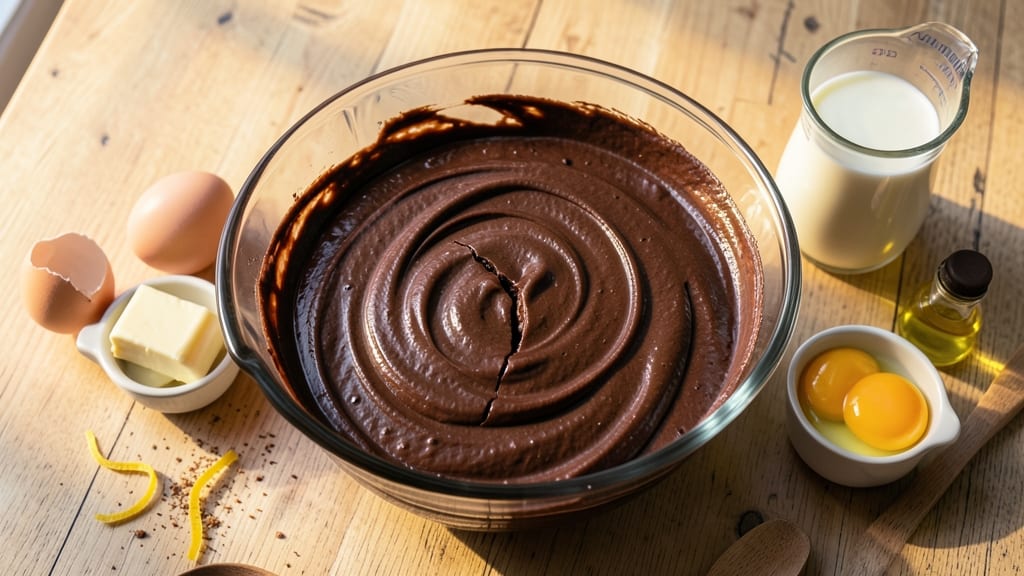
This butter chocolate cake mix recipe transforms ordinary boxed cake into a luxuriously moist, restaurant-quality dessert with just a few key adjustments. The secret lies in the butter—using it in both the batter and frosting creates layers that stay tender for days, not dry by morning.
I’ve perfected this technique after years of testing, ensuring every slice delivers that perfect balance of rich chocolate and velvety texture.
What sets this recipe apart is how the butter works its magic: room-temperature butter in the batter creates air pockets for lightness, while cold butter in the frosting ensures a smooth, pipeable consistency that melts beautifully.
No special equipment is needed—just a few pantry staples and patience for the layers to set properly. The result? A cake so moist it practically oozes with flavor, with a frosting that’s rich enough to stand alone.
This method is ideal for special occasions or when you want to impress without spending hours in the kitchen. The cake’s dense yet tender crumb holds up beautifully with fillings or glaze, while the butter frosting adds a professional finish that’s easier to make than you’d think.
Whether you’re baking for a celebration or a simple treat, this recipe delivers foolproof results every time.
For those short on time, I’ve included a streamlined version using boxed mix while keeping the butter-based techniques that make all the difference. The difference between store-bought and homemade starts here—let’s get baking.
Ingredients for butter recipe chocolate cake mix
Four key ingredients transform boxed mix into restaurant-quality chocolate cake with velvety butter layers.
| Ingredient | Amount | Notes |
|---|---|---|
| Boxed Chocolate Cake Mix 🍫 | 1 box | Any brand, unsweetened preferred |
| Unsalted Butter 🧈 | 1 cup | Room temperature for batter |
| Unsalted Butter 🧈 | 1 cup | Cold, cubed for frosting |
| Large Eggs 🥚 | 2 whole | Room temperature preferred |
| Milk 🥛 | 1 cup | Whole milk for richness |
| Vegetable Oil 🫒 | ½ cup | For cake mix instructions |
| Granulated Sugar 🍚 | ¼ cup | Extra for frosting sweetness |
| All-Purpose Flour 🌾 | ½ cup | Sifted for smooth batter |
| Powdered Sugar 🍚 | 3 cups | For frosting consistency |
| Vanilla Extract 🌿 | 1 tsp | Pure extract preferred |
| Salt 🧂 | ¼ tsp | Fine sea salt |
| Dark Chocolate Chips 🍫 | 1 cup | Optional for swirls |
The butter is non-negotiable here—European-style unsalted butter gives the best flavor, but Land O’Lakes or Plugrá work perfectly too. Look for butter with at least 82% fat content for maximum richness. For the frosting, cold cubed butter incorporates smoothly without melting, while room-temperature butter in the batter creates light air pockets. If you're short on time, softened butter at room temp works for both, though texture will be slightly denser. The powdered sugar should be sifted before measuring to avoid lumps in the frosting—trust me, it makes all the difference.
No powdered sugar? Granulated sugar plus 1 tbsp cornstarch works in a pinch, though texture won't be as smooth. Want extra chocolate flavor? Add 2 tbsp cocoa powder to the cake batter. For the frosting, cream cheese frosting mix can replace the butter version if you prefer tanginess. The chocolate chips are optional but worth adding—they melt beautifully into the batter and create stunning swirls. If you're using a boxed mix that calls for oil, replace half the oil with melted butter for that signature richness. And yes, you can use salted butter if you must, but reduce the added salt to 0.125 tsp to avoid over-salting the delicate frosting.
The cake mix should be stored in an airtight container in the pantry for up to 6 months, though most brands last longer. Once baked, this cake stays moist for 3-4 days when wrapped tightly in plastic at room temperature. For longer storage, freeze the fully frosted cake for up to 2 months—thaw overnight in the fridge before serving. The frosting can be made a day ahead and stored in the fridge, though it'll be slightly firmer. Let it sit at room temperature for 15 minutes before re-whipping to restore smoothness. Pro tip: Brush the cake layers with simple syrup before frosting for extra moisture that lasts.
Why You'll Love This Recipe
- Foolproof Foundation: I swear by this—just dump the mix, fold in melted butter (yes, two sticks), crack in eggs, and stir. No measuring cups clogged with flour, no sifting mess. The box does half the work, and the butter makes it actually rich.
- Moist Magic: That extra butter? It’s the secret weapon. The cake stays tender for days, not dry by afternoon. Honestly, it’s the kind of cake that makes you pause mid-slice and whisper, “Why didn’t I do this sooner?”
- Party Ready: Need a dessert in 30? This is my go-to for birthdays, potlucks, or even a “I forgot to plan” dinner. Bake it, frost with whipped cream or chocolate ganache, and boom—crowd-pleaser. (Pro tip: Double the batch. You will.)
- Budget Win: Boxed mix gets a bad rap, but here’s the truth: it’s the only time I splurge on butter (because good butter matters), and the rest is cheap. Leftovers? Stash them in the fridge—perfect for lunchboxes or a midnight craving. No waste, all flavor.
Step-by-step instructions for ultra-moist chocolate cake
This method transforms boxed mix into restaurant-quality cake with rich, moist layers and velvety butter frosting.
Prepare the Cake Batter
In a large mixing bowl, combine the 1 box boxed chocolate cake mix, the 2 whole large eggs, the 1 cup milk, and the 0.5 cup vegetable oil. Using an electric mixer on medium speed, beat everything together for about 2 minutes until the batter is completely smooth and homogeneous.
I always sift the 0.5 cup all-purpose flour over the batter first to prevent lumps, then mix it in gently with a spatula before turning to the mixer. This ensures we eliminate any potential clumps that could make our cake dense. The batter should be thick but pourable—if it looks too stiff, add an extra tablespoon of milk.
For extra moisture, fold in the 1 cup dark chocolate chips by hand using a rubber spatula. Distribute them evenly throughout the batter, leaving a few spoonfuls aside for decorative swirls later. This step creates pockets of rich chocolate flavor in every bite while keeping the texture tender.
Bake the Cake Layers
Preheat your oven to 350°F and grease two 9-inch round cake pans thoroughly with butter, then line the bottoms with parchment paper. Pour half of the batter into each prepared pan, spreading it evenly with a spatula. Bake for 25-30 minutes, or until a toothpick inserted into the center comes out clean.
I've found that baking time can vary slightly depending on your oven, so start checking at the 25-minute mark. The edges should be set while the center still has a slight bounce. Don't overbake—the cake will continue cooking as it cools, and that's when it develops that perfect moist texture we're after.
Let the cakes cool in their pans for 10 minutes, then transfer them to a wire rack to cool completely. This gradual cooling prevents cracking and ensures even layers when we assemble the cake later. While they cool, I like to make a quick syrup by combining the 0.25 cup granulated sugar with 2 tablespoons of hot water—this will be our secret weapon for extra moisture.
Create the Buttery Frosting
In a medium bowl, beat the 1 cup cold cubed unsalted butter until smooth and creamy. This takes about 2-3 minutes with an electric mixer. The butter should be light and fluffy—if it looks too soft, chill the bowl for 5 minutes before continuing.
Gradually add the 3 cups powdered sugar, mixing on low speed to avoid a cloud of sugar dust. Once incorporated, add the 1 teaspoon vanilla extract and the 0.25 teaspoon salt, mixing until completely combined. The frosting should be thick but spreadable—if it's too stiff, add 1 teaspoon of milk at a time until it reaches the right consistency.
For the chocolate swirl effect, melt the remaining chocolate chips in a microwave-safe bowl in 20-second intervals, stirring between each interval until smooth. Let it cool slightly, then drizzle it over one cake layer before frosting. This creates beautiful marbled patterns when we assemble.
Assemble the Cake
Place one cake layer on a cake stand or plate. Using a serrated knife, level the top if needed. Spread a thin layer of frosting over the top, then spoon about 1/3 of the remaining frosting around the edges to create a dam. Place the second cake layer on top and press down gently.
Spread the remaining frosting evenly over the top and sides of the cake, using a spatula to create smooth, clean lines. For extra decoration, pipe rosettes or swirls around the edges using a piping bag fitted with a star tip. Chill the cake in the refrigerator for 30 minutes before slicing to help the frosting set properly.
This assembly method creates that signature layered look while ensuring each bite has equal parts moist cake and rich frosting. The key is patience—rushing the assembly often leads to messy frosting and uneven layers. Serve at room temperature for the best texture and flavor combination.
Pro Tips For Making Butter Recipe Chocolate Cake Mix
- CUT THE BUTTER COLD: I learned this the hard way—room-temperature butter in this recipe just melts into the batter, leaving you with a dense, greasy mess. Grab that stick of butter straight from the fridge, slice it into small cubes, and let it sit for exactly 10 minutes before mixing. That’s all it takes to get flaky layers without the butter turning into soup.
- WHISK EGGS FIRST: Crack those eggs into a separate bowl first, then whisk them like you’re trying to break a world record. The boxed mix has dry ingredients that clump when wet, and raw egg whites can turn your batter into a lumpy disaster. Smooth eggs mean a smoother cake—no excuses.
- STOP WHEN IT SPRINGS: Your cake’s done when the center bounces back slowly when you press it, not when it’s still jiggly. Overbaking turns this rich butter cake into a dry brick. Start checking at the box’s suggested time, then pull it out early—it’ll keep cooking with the residual heat.
- SWAP MILK FOR CREAM: Sounds weird, but it works: replace the milk with an equal amount of heavy cream (or half-and-half in a pinch). The extra fat makes the crumb insanely tender and adds a subtle richness the boxed mix can’t fake. Yes, it’s a splurge, but this cake’s already splurging on butter—might as well go all in.
Storing and reheating this recipe
Room Temp Storage
Store your fully frosted cake at room temperature in an airtight container for up to 3 days. The butter frosting stays stable in warm environments, but I recommend keeping it in a cool, dark spot away from direct sunlight to prevent the butter from softening too quickly.
If your kitchen gets particularly warm, place a small bowl of rice near the container to absorb any excess moisture that could make the frosting soggy. 🥖
Fridge Refresh
If you need to store the cake for 4-5 days, transfer it to the fridge uncovered for 15 minutes to let the frosting firm up slightly. Then cover it tightly with plastic wrap pressed directly against the frosting to prevent drying.
When ready to serve, let it sit at room temperature for 30 minutes before slicing—this allows the butter to soften naturally and the cake to regain its perfect texture. Never microwave this cake, as the butter frosting will melt unevenly and become greasy.
Freezer Prep
For longer storage, freeze the fully assembled cake (including frosting) in a freezer-safe container for up to 2 months. Wrap each layer of the cake separately in plastic wrap before assembling to prevent freezer burn.
When ready to serve, thaw overnight in the fridge, then bring to room temperature for 1 hour before slicing. The frosting may look slightly grainy after freezing, but a quick whisk with a hand mixer will restore its smoothness. 🧊
Frosting Revival
If your frosting has hardened in the fridge, don't despair! Let it sit at room temperature for 10-15 minutes, then re-whip it with a hand mixer for 1-2 minutes until smooth again. For extra moisture, add 1 teaspoon of milk at a time while mixing.
I've found that frosting made with European-style butter (like Plugrá) holds up better to temperature changes than regular American butter, so it's worth investing in if you plan to store cakes frequently.
Layer Protection
To keep the cake layers moist during storage, brush each cooled layer with 2 tablespoons of simple syrup (equal parts sugar and water, heated until dissolved) before assembling. This extra step ensures your cake stays tender even after several days.
For added protection, place a slice of bread on top of the cake before frosting—it absorbs excess moisture and helps maintain the perfect crumb. Remove the bread before serving, of course! 🍞
Nutrition facts
Frequently asked questions
Why does this recipe use both butter and oil in the cake batter?
The butter creates rich flavor and tender crumb, while the oil (from the box mix) ensures proper moisture distribution. Butter adds depth to the chocolate flavor, but it can make the cake too dense alone. The combination gives you that perfect balance of moisture and richness without compromising texture.
Can I make this cake without a boxed mix?
Replace the box mix with a homemade chocolate cake batter using 2 cups all-purpose flour, 1.5 cups sugar, 0.75 cups cocoa powder, 1 tsp baking soda, and 1 tsp baking powder. Use the same butter and liquid measurements from the recipe. The butter frosting method remains identical.
What's the best butter to use for maximum flavor?
European-style unsalted butter like Plugrá or President gives the richest flavor and best texture. These contain higher fat content (82-86%) compared to American butter (80%). For the frosting, cold cubes incorporate smoothly, while room-temperature butter works better in the batter for lightness.
How do I fix a cracked cake?
Cracking usually happens when cakes cool too quickly. To fix it, spread a thin layer of frosting over the cracked areas, then add a second layer of frosting on top. Chill for 15 minutes to set, then add decorative frosting. For prevention, let cakes cool in pans for 10 minutes before removing. A toothpick inserted into the center helps release steam gradually.
Can I make this cake gluten-free?
Yes, but you'll need a gluten-free chocolate cake mix and replace the all-purpose flour with a 1:1 gluten-free baking flour blend. The butter frosting remains the same, but gluten-free cakes tend to be more delicate. Add 1 extra tbsp of xanthan gum to the batter to improve structure. Expect slightly different texture but still delicious results!