
Desserts
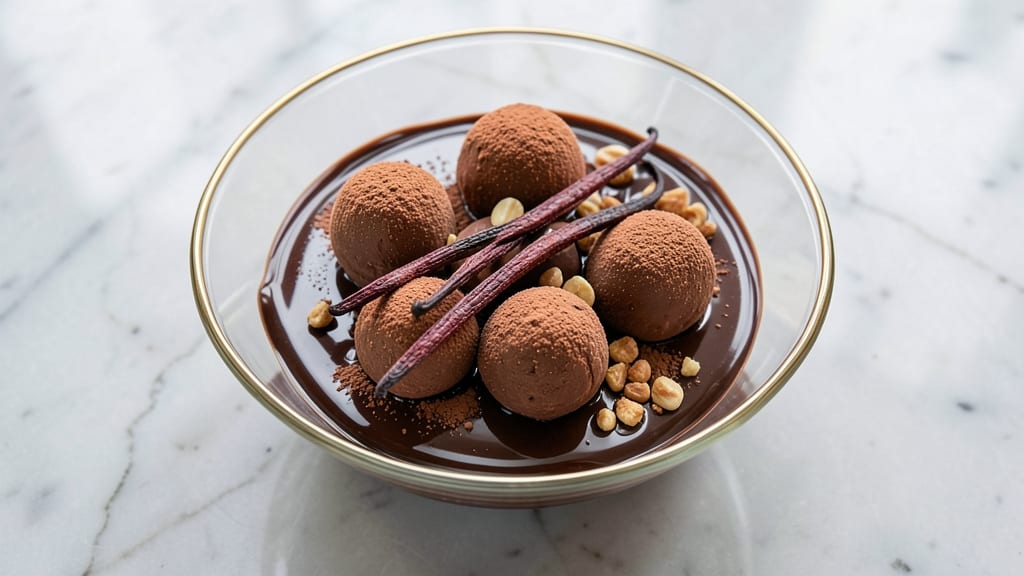
This Callebaut chocolate truffle recipe transforms simple ingredients into luxurious, melt-in-your-mouth bites that taste like a high-end chocolatier’s creation. The secret lies in using Callebaut’s premium chocolate—rich, smooth, and perfectly balanced—paired with a velvety ganache that sets just right.
Whether you're crafting these for a special occasion or treating yourself, the process is surprisingly straightforward once you master the technique.
The foundation of these truffles begins with a perfectly tempered dark chocolate shell, encasing a luscious ganache filling that’s silky yet firm enough to hold its shape. Callebaut’s high-cocoa chocolate ensures depth of flavor without bitterness, while the ganache—made with heavy cream and butter—adds a luxurious mouthfeel.
The result is a truffle with a satisfying snap when bitten and a creamy center that melts instantly on your tongue.
What sets these apart is the versatility—they can be rolled in cocoa powder for a classic finish, crushed nuts for texture, or even candied fruit for a pop of color and flavor.
The recipe also allows for creative twists, like infusing the ganache with a splash of liqueur or spices for added complexity. With just a few key ingredients and precise technique, you’ll achieve restaurant-quality results that impress even the most discerning chocolate lovers.
Ready in about 2 hours (including chilling time), these truffles are perfect for gifting, holiday treats, or indulging in a quiet moment of self-care. The process is methodical but rewarding, and the final product is undeniably decadent. Let’s get started on creating these velvety, shell-wrapped delights.
Ingredients for callebaut chocolate truffle
Premium chocolate meets velvety ganache—just 11 ingredients transform into decadent truffles.
| Ingredient | Amount | Notes |
|---|---|---|
| Callebaut Dark Chocolate Couverture (70% Cocoa) 🍫 | 12 oz | High-quality, tempered preferred |
| Heavy Whipping Cream 🥛 | 1 ½ cups | Whole milk, cold from fridge |
| Unsalted Butter 🧈 | 6 oz | European-style preferred |
| Granulated Sugar 🍚 | 2 tbsp | Fine grain for smooth texture |
| Vanilla Extract 🌿 | 1 tsp | Pure Madagascar preferred |
| Cocoa Powder (Natural) 🍫 | ½ cup | Dutch-processed for coating |
| Pistachios (Optional) 🌰 | 1 cup | Crushed, unsalted preferred |
| Freeze-Dried Strawberries (Optional) 🍓 | ½ cup | Finely chopped for garnish |
| Orange Zest (Optional) 🍊 | 1 tsp | Freshly grated for brightness |
| Kosher Salt 🧂 | ¼ tsp | Fine grain for balance |
| Alcohol (Optional) 🍷 | 1 tbsp | Brandy or rum for infusion |
Callebaut’s 70% dark chocolate is non-negotiable here—its high cocoa content delivers that signature luxurious snap without bitterness. Chocolaterie.com or Sur La Table stock it, but if local, check specialty grocery stores’ gourmet sections. The butter should be European-style (like Plugrá) for maximum flavor—it’s worth the splurge. For the cream, cold is critical; chill both cream and butter overnight before use. The vanilla extract? Madagascar Bourbon adds depth, but pure vanilla works too. Pro tip: Toast your pistachios for 5 minutes at 350°F (175°C) to intensify their flavor before crushing.
No Callebaut? Valrhona or Guittard are solid backups—just ensure it’s couverture (minimum 32% cocoa butter). Running low on butter? Coconut oil (refined) can replace half, but texture may soften slightly. The cocoa powder is purely for rolling; Dutch-processed ensures a smoother finish than natural. For the optional alcohol, brandy or rum infuses beautifully, but vanilla extract alone still delivers. Need a quicker fix? Instant espresso powder (1/2 tsp) in the ganache adds complexity without extra steps. And if you’re rolling truffles in cocoa powder, sift it first—lumps ruin the presentation.
Temper the chocolate carefully—room temperature (68°F/20°C) is ideal. Store finished truffles in an airtight container between parchment-lined layers for up to 2 weeks at room temp or 3 months in the freezer. Ganache leftovers? Use within 3 days or freeze in ice cube trays for single-serving portions. For gifting, wrap individually in parchment and cellophane—they’ll stay fresh for 5 days this way. And if your kitchen gets humid? A silica gel packet in the container prevents sweating.
Why You'll Love This Recipe
- No Melting Drama: I’ve made truffles that turned into sad, greasy puddles—this recipe avoids that. The Callebaut couverture melts smooth in the cream and butter, then firms up perfectly in the fridge. No tempering stress, no guesswork.
- Rich Without Overpowering: That 70% cocoa hits just right—not bitter, not too sweet. The vanilla extract (don’t skip it!) rounds out the dark chocolate so it tastes like a fancy dessert, not a science experiment. Honestly, I’ve tasted pricier truffles that didn’t impress me this much.
- Party-Ready in Minutes: Toss these in a bowl, chill, and roll—done. No baking, no fuss. They’re my go-to for last-minute gifts or when I need to impress someone who’s “not a dessert person.” (Spoiler: They’ll ask for the recipe.)
- Makes a Crowd, Costs Little: A single batch yields 20+ truffles, and the ingredients stretch far. The sugar and butter create a luscious ganache that feels indulgent, but the cocoa powder is cheaper than pre-made filling. Leftovers? They last weeks in the fridge—if they survive that long.
Step-by-step instructions for Callebaut chocolate truffles
Mastering these truffles requires precision—here's how to create velvety ganache and perfect chocolate shells.
Temper the Callebaut Dark Chocolate for Crisp Shells
Start by finely chopping the 12 oz Callebaut Dark Chocolate Couverture (70% Cocoa) into small, even pieces. Place 6 oz of these chopped pieces in a heatproof bowl set over a pot of barely simmering water, ensuring the bowl doesn't touch the water. Stir gently until the chocolate melts completely—this should take about 5 minutes. Remove from heat and let cool to 88°F (just above room temperature), stirring occasionally. This tempering process ensures your chocolate shells will set properly with a glossy finish.
While the chocolate cools, prepare a candy thermometer and a second heatproof bowl. Once the melted chocolate reaches 88°F, pour it into the second bowl and slowly reheat it to 90°F, stirring constantly. This precise temperature range is critical—too low and the shells will be dull; too high and they'll seize. Test the temper by spreading a small amount on parchment paper; if it sets within 5 minutes with a mirror-like shine, it's ready for use.
Create the Velvety Ganache Base
In a separate saucepan, combine the 1.5 cups Heavy Whipping Cream and 6 oz Unsalted Butter, along with the 2 tbsp Granulated Sugar, 1 tsp Vanilla Extract, and 0.25 tsp Kosher Salt. Warm the mixture over medium-low heat until it just begins to simmer, then immediately pour it over the remaining 6 oz chopped Callebaut Dark Chocolate Couverture. Let it sit undisturbed for 5 minutes to allow the chocolate to bloom fully.
Using a silicone spatula, gently fold the mixture until smooth and glossy—this should take about 2 minutes. The ganache should be thick but pourable, with a satiny sheen. If it's too thick, warm it gently over a double boiler for 10 seconds to loosen. Transfer the ganache to a clean bowl and let it cool to 75°F, stirring occasionally. This temperature ensures the ganache will hold its shape when rolled into truffles but remain malleable.
Incorporate Optional Flavors and Chill
If using, finely chop the 1 cup Pistachios (Optional) and 0.5 cup Freeze-Dried Strawberries (Optional), then fold them into the cooled ganache. For an aromatic twist, add the 1 tsp Orange Zest (Optional) and 1 tbsp Alcohol (Optional)—this enhances the depth of flavor and helps balance the richness. For a cocoa-infused version, sift in the 0.5 cup Cocoa Powder (Natural) and mix until fully incorporated.
Spread the ganache into a shallow dish and smooth the top with a spatula. Cover with plastic wrap and refrigerate for at least 4 hours, or until firm enough to roll into balls. The ganache should be cool to the touch but still pliable—this ensures clean rolls without sticking. Real talk: Don't rush this step. Proper chilling prevents melting during assembly and guarantees a professional finish.
Shape and Coat the Truffles
Using a 1-tablespoon scoop, portion the chilled ganache into 24 equal balls (about 1.5 oz each) and roll them gently between your palms to smooth the surfaces. Place them on a parchment-lined tray, ensuring they're evenly spaced. For a polished look, dip each truffle into the tempered chocolate, allowing any excess to drip off before placing them back on the tray. Work quickly—chocolate sets fast once exposed to cool air.
Return the truffles to the refrigerator for 15 minutes to allow the chocolate shells to fully set. Once firm, they'll have a glossy, crack-free finish with a satisfying snap. This is where the tempering pays off—your shells should hold their shape without melting, even in warm rooms. For extra shine, brush the set truffles lightly with a tiny bit of vegetable oil using a clean pastry brush.
Garnish and Store for Maximum Freshness
Garnish the truffles immediately with additional crushed pistachios, freeze-dried strawberries, or a sprinkle of orange zest if desired. These toppings add texture and visual appeal while complementing the ganache's flavor. For a professional touch, use a small offset spatula to create delicate patterns on the chocolate shells.
Store the truffles in an airtight container in the refrigerator for up to 1 week, or freeze for up to 3 months. Let them come to room temperature for 10 minutes before serving to enjoy their velvety texture at its best. The contrast between the crisp chocolate shell and the luscious ganache center is what makes these truffles truly exceptional—worth every step of the process.
Pro Tips For Making Callebaut Chocolate Truffle
- Chop Chocolate Like a Pro: Use a sharp knife and work in batches—Callebaut couverture melts unevenly if you pile it all in. Cut the bars into ½-inch chunks first, then pulse in a food processor for perfect, consistent pieces. (Yes, even if you’re impatient like me, this saves cleanup.)
- Temper the Cream: Heat the heavy cream just until it’s steaming (160°F/71°C) but not boiling—any hotter and you’ll scramble the butter later. Let it cool for 2 minutes before mixing with melted chocolate; this keeps the ganache silky, not grainy.
- Skip the Sugar Trap: That extra teaspoon of sugar? It’s unnecessary unless you’re masking bitterness in a 70% cocoa bar. Callebaut couverture is balanced—trust it. Over-sweetening turns truffles cloying, and you’ll regret it when pairing with coffee.
- Chill the Ganache Fast: Spread the ganache into a single layer on parchment paper and refrigerate for 10 minutes before rolling. This prevents a thick, sticky mess and ensures even cooling—no more lumpy truffles or wasted time forcing them through a piping bag.
Perfect pairings for this dish
Coffee Pairings
Pair these truffles with a bold espresso or dark roast coffee to create a perfect flavor bridge.
The 70% cocoa in Callebaut chocolate complements the bitter notes of a Sumatra Mandheling or Guatemala Antigua, while the vanilla and butter in the ganache harmonize with medium-roast beans like Brazilian Santos.
For a modern twist, try a cold brew concentrate—its smooth acidity cuts through the richness without overpowering. 💫
Wine Synergy
A tawny Port (10- or 20-year) is my go-to pairing—its caramel and nutty undertones mirror the truffle’s depth while balancing the chocolate’s intensity. For something lighter, a dry Riesling from Germany adds citrus brightness that cleanses the palate.
Avoid sweet wines; their sugar clashes with the bitter cocoa. Pro tip: Chill the Port slightly (55°F) to enhance its aromatic qualities.
Liqueur Infusions
If you added brandy or rum to the ganache, serve with a sip of the same liqueur for a cohesive experience. A Grand Marnier or Cointreau pairing works beautifully with the orange zest variation, while Kahlúa enhances the chocolate-spiced version.
For a non-alcoholic option, chocolate stout beer (like Guinness) mirrors the roasted malt notes in dark chocolate. 🍷
Tea Harmony
An Earl Grey tea (bergamot-infused) creates an unexpected but delightful contrast—the citrusy aroma elevates the orange zest truffles, while the black tea’s tannins complement the dark chocolate’s bitterness. For a white tea option, Silver Needle adds a delicate floral note that highlights the vanilla and butter in the ganache.
Brew with hotter water (205°F) to intensify the flavors.
Dessert Accompaniments
Serve alongside shortbread cookies or almond tuiles to soak up any stray ganache. A raspberry coulis (lightly sweetened) adds a tart contrast, while whipped mascarpone with a drizzle of honey creates a creamy counterpoint. For a textural surprise, include toasted hazelnuts—their crunch balances the truffles’ smoothness. 🥜
Nutrition facts
Frequently asked questions
Why does Callebaut chocolate work better than regular chocolate for truffles?
Callebaut's high-quality couverture chocolate contains 32%+ cocoa butter, which gives truffles that signature snap and shine. Regular chocolate often contains more sugar and less cocoa butter, resulting in a grainier texture and dull finish. The 70% cocoa version used here balances richness with depth of flavor without overwhelming bitterness.
Can I make these truffles without tempering the chocolate?
You can try, but the results won't be as professional. Tempering creates that glossy, crack-free shell with a satisfying snap. For a quick fix, use pre-tempered Callebaut chocolate bars (available online) or melt chocolate in 30-second intervals in the microwave, stirring between each, then let it cool to 88°F before using. The shells may be slightly softer but still delicious.
How do I fix grainy ganache?
Grainy ganache usually means the chocolate didn't fully bloom or the cream was too hot. To fix it, gently reheat the mixture over a double boiler while stirring until smooth. For prevention: chill the ganache longer (6+ hours) and ensure your cream is just simmering (not boiling) when poured over the chocolate. A splash of alcohol (1 tsp brandy) can also help emulsify stubborn mixtures.
What's the best way to store homemade truffles?
Keep them in an airtight container between layers of parchment paper to prevent sticking. Refrigerate for up to 1 week or freeze for 3 months. For gifting, wrap individually in parchment and cellophane—they'll stay fresh for 5 days at room temperature. Avoid humidity; a silica gel packet in the container prevents sweating.
Can I make these truffles dairy-free?
Replace the butter with refined coconut oil (6 oz) and use full-fat coconut cream instead of heavy cream. For the chocolate shell, ensure your Callebaut chocolate is dairy-free (check the label). The texture will be slightly softer but still delicious. For extra richness, add 1 tbsp dairy-free milk powder to the ganache.