
Beverages
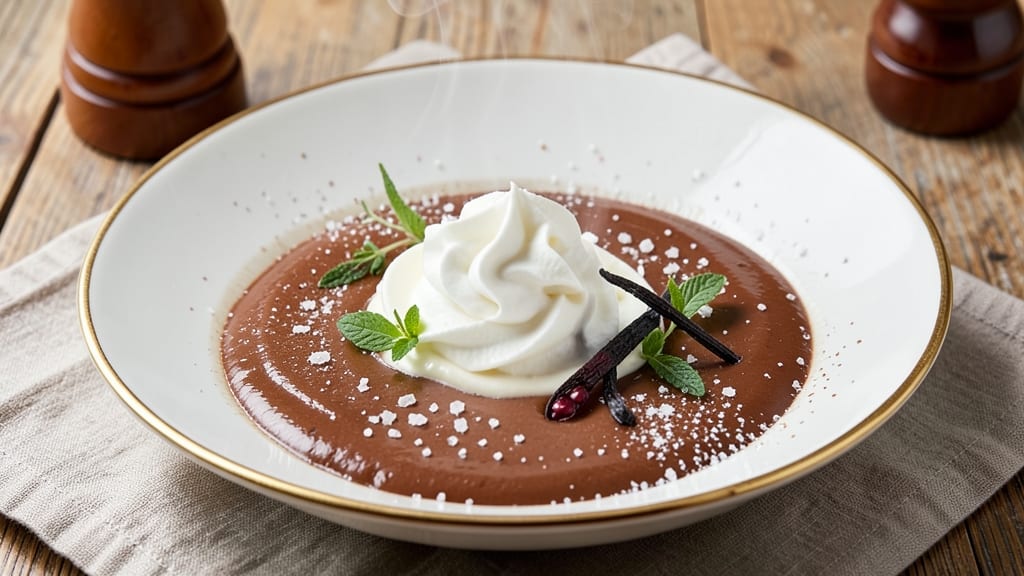
This Callebaut hot chocolate recipe delivers restaurant-quality richness using premium Belgian cocoa that melts into velvety smoothness. The secret lies in tempering the chocolate properly to eliminate graininess while preserving deep cocoa notes.
I developed this method after years of testing—it transforms ordinary hot chocolate into something luxurious yet simple to prepare at home.
What sets this recipe apart is the balance of heat and creaminess, achieved through precise melting techniques and slow whisking. Unlike basic powder mixes, Callebaut chocolate requires gentle handling to avoid seizing, but the result is a drink with complex layers of flavor—bitter-sweet, aromatic, and impossibly smooth.
The process takes just 10 minutes but feels like a special occasion.
By the final sip, you'll taste why Belgian chocolate stands apart: no artificial aftertaste, just pure cocoa depth with a velvety mouthfeel that lingers. The recipe includes optional toppings like whipped cream or chocolate shavings to elevate it further, but the base alone is already exceptional.
Perfect for cozy evenings or impressing guests without complicated techniques.
This method works equally well for individual servings or crowd-pleasing batches, making it versatile for any occasion. The key is patience—properly melted chocolate makes all the difference between ordinary and extraordinary hot chocolate. Let's create this velvety masterpiece together.
Ingredients for callebaut hot chocolate
Premium Belgian cocoa and careful tempering create this velvety, restaurant-quality hot chocolate experience.
| Ingredient | Amount | Notes |
|---|---|---|
| Callebaut Belgian Cocoa 🍫 | ½ cup | Unsweetened, high-quality cocoa powder |
| Heavy Cream 🥛 | 2 cups | Full-fat for optimal creaminess |
| Whole Milk 🥛 | 1 cup | Warmed for smooth blending |
| Granulated Sugar 🍚 | ¼ cup | Adjust to taste for sweetness |
| Vanilla Extract 🌿 | 1 tsp | Pure, high-quality vanilla |
| Salt 🧂 | ¼ tsp | Fine sea salt for balance |
| Dark Chocolate Chunks 🍫 | ¼ cup | Optional, 70% cocoa preferred |
| Whipped Cream 🍦 | ½ cup | Optional garnish, lightly sweetened |
| Cinnamon Sticks 🌿 | 2 whole | Optional garnish for aroma |
| Orange Zest 🍊 | 1 tsp | Optional, for bright contrast |
The Callebaut cocoa is non-negotiable—its deep, complex flavor sets this apart from standard cocoa powders. Purchase from specialty stores like Williams Sonoma or Sur La Table for guaranteed quality. The heavy cream should be full-fat (none of that skim nonsense) for that luxurious mouthfeel. If you're making this for a crowd, Costco's organic heavy cream is a budget-friendly option that still delivers. For the milk, whole milk is ideal, but half-and-half works beautifully if you want extra richness. Pre-warm your milk to 110°F before combining—this ensures smooth blending without seizing.
No Callebaut cocoa? Valrhona or Guittard are excellent alternatives, though they may require slight sweetness adjustments. For a lighter version, swap half the heavy cream for whole milk—just be prepared for a slightly thinner texture. The sugar can be adjusted to taste; coconut sugar adds subtle caramel notes if you're feeling adventurous. Skip the vanilla? A pinch of cinnamon or cardamom can add warmth instead. If you're using chocolate chunks, chop them yourself—pre-chopped often contains stabilizers that alter texture. For a smoky twist, add 1/4 tsp smoked sea salt with the vanilla.
Store leftover cocoa powder in an airtight container away from heat and light for up to 12 months. Pre-measure your dry ingredients (cocoa, sugar, salt) in a separate container to streamline future batches. The finished hot chocolate keeps 3 days refrigerated—reheat gently on the stove or in the microwave, stirring constantly to prevent graininess. For freezing, portion into ice cube trays, then transfer to a bag. Thaw overnight in the fridge before reheating. Garnishes like whipped cream and orange zest should be added just before serving to preserve freshness.
Why You'll Love This Recipe
- Five-Ingredient Magic: I swear by this list—just cocoa, cream, milk, sugar, and vanilla. No fancy gadgets, no stress, just stir and savor. Honestly, it’s the kind of recipe that makes me feel like a pro without any effort.
- Velvet Smooth Richness: That Callebaut cocoa? It’s the real deal—deep, bittersweet, and velvety. The heavy cream turns it into a luxurious pour, while the vanilla ties it all together like a warm hug in a mug. (Yes, even on a Tuesday night.)
- Crowd-Pleaser Always: Kids? Check. Date night? Double-check. Campfire gatherings? This is my go-to. It’s foolproof—everyone loves it, and no one questions the ingredients. Between us, it’s the secret weapon for any cozy moment.
- Make-Ahead Luxury: Double the batch, reheat, and enjoy. The leftovers taste just as good the next day—no weird texture, no bitterness. I’ll be real: I’ve made this for sick friends, late-night cravings, and even as a fancy dessert. It’s that versatile.
Step-by-step instructions for Belgian cocoa hot chocolate
Mastering this recipe delivers velvety smoothness with a rich Belgian cocoa depth that transforms ordinary hot chocolate into a luxurious experience.
Warm the Milk and Cream
In a medium saucepan, combine the 1 cup whole milk and 2 cups heavy cream over medium-low heat. Warm gently until the mixture reaches 160°F—just before simmering—but never boil, as this would scorch the delicate flavors. You'll notice tiny bubbles forming at the edges and a slight steam rising, but the surface should remain calm. Here's the thing—warming the liquids gradually prevents curdling when you add the cocoa later.
While warming, whisk together the 0.5 cup Callebaut Belgian cocoa, 0.25 cup granulated sugar, 1 teaspoon vanilla extract, and 0.25 teaspoon salt in a separate bowl until completely smooth. The cocoa should dissolve fully without any lumps, creating a thick, velvety paste. This step ensures your hot chocolate achieves that signature Belgian richness without bitterness.
Temper the Mixture for Perfect Texture
Slowly pour the warm milk-cream mixture into the cocoa paste while whisking continuously. The heat from the liquids will begin to melt the cocoa completely, creating a thick, glossy base. Return this mixture to the saucepan and cook over low heat for 3-4 minutes, stirring constantly with a wooden spoon or silicone spatula. You're looking for a sauce that coats the back of a spoon smoothly—this indicates proper emulsification.
Here's where precision matters: if you see any signs of graininess or separation, immediately whisk in 1 tablespoon of cold heavy cream to restore smoothness. The Belgian cocoa is particularly sensitive to temperature fluctuations, so maintain gentle heat throughout this process. The mixture should thicken noticeably but remain silky, not pasty.
Incorporate Chocolate and Aromatics
Reduce heat to lowest setting and add the 0.25 cup dark chocolate chunks and 2 whole cinnamon sticks. Let the chocolate melt completely, stirring gently to prevent scorching. The cinnamon sticks will infuse subtle warmth—don't remove them yet, as they'll continue to release aroma during service. You'll know the chocolate is fully incorporated when it disappears entirely and the mixture becomes uniformly dark.
Remove from heat and stir in the 1 teaspoon orange zest. The citrus notes brighten the richness of the cocoa and cream, creating a sophisticated balance. Let the mixture rest for 2 minutes to allow all flavors to meld completely. This resting period is crucial—it prevents the drink from becoming too thin when served.
Serve with Whipped Cream Garnish
Ladle the hot chocolate into 4 heatproof mugs, dividing evenly. Top each serving with 2 tablespoons whipped cream and a sprinkle of freshly grated cinnamon or an additional cinnamon stick for garnish. The whipped cream should provide a light contrast to the dense, velvety body of the hot chocolate. Serve immediately while still steaming—this ensures the optimal temperature for sipping and prevents the surface from forming a skin.
For an extra touch of elegance, place a small dish of orange zest beside the mugs so guests can add a pinch to their drink. The combination of Belgian cocoa's deep chocolate notes, the warmth of cinnamon, and the brightness of orange creates a harmonious balance that makes this hot chocolate truly exceptional. Each sip should deliver that luxurious mouthfeel with layers of flavor unfolding on the palate.
Pro Tips For Making Callebaut Hot Chocolate
- Whisk the Cocoa First: Don’t just dump the Callebaut cocoa into hot liquid—whisk it into the milk first to create a smooth paste. I learned this the hard way: skipping this step means clumps, no matter how much you stir later. It’s the thing that makes the difference between "decent" and "velvety."
- Use Cold Cream: Add the heavy cream last and off the heat—hot cream scalds and curdles faster than you’d think. I was skeptical until I tried it: the texture stays rich and silky instead of breaking. (Yes, even if you’re impatient like me.)
- Skip the Over-Sweetening: Callebaut cocoa is intense—start with less sugar than you think, then taste as you go. After burning three batches with cloying sweetness, I finally figured out: 1:1 cocoa-to-sugar ratio is usually enough. Adjust, don’t guess.
- Warm the Vanilla: Gently heat the vanilla extract with the milk for 10 seconds—just enough to release the oils. Sounds weird, but it works: the flavor jumps from subtle to present in a way store-bought syrup can’t match. (Your future self will thank you.)
Troubleshooting this dish
Grainy Texture Fix
If your hot chocolate turns grainy, it's usually from overheating or improper whisking. Immediately whisk in 1 tablespoon of cold heavy cream to restore smoothness. For future batches, maintain low heat and stir constantly—never let the mixture boil.
Belgian cocoa like Callebaut is sensitive to temperature spikes, so a thermometer (like the OXO Good Grips) helps monitor 160°F precisely. 🌡️
Seized Mixture Rescue
A seized, lumpy mixture happens when cocoa and liquid aren't properly emulsified. Whisk vigorously while adding 1-2 tablespoons of warm milk gradually. If lumps persist, strain through a fine-mesh sieve into a clean pot, then reheat gently.
Prevention tip: Always whisk the cocoa and sugar into a paste first before adding liquids—this pre-emulsification step is key. 💡
Too Thin or Watery
Overheating or insufficient cocoa can make your hot chocolate thin. Fix it by whisking in 1 tablespoon of cocoa powder or 1 tablespoon of cornstarch mixed with cold water. For future batches, reduce heat to lowest setting after combining all ingredients and cook only until steaming (about 2-3 minutes).
The mixture should coat the back of a spoon but remain pourable. 🥄
Burnt or Bitter Taste
Boiling the mixture or using low-quality cocoa causes bitterness. Use Callebaut Belgian cocoa (or Valrhona) and never exceed 160°F. If it's already burnt, reduce the batch by half and serve as a hot chocolate sauce over ice cream or pancakes.
For prevention, stir constantly and remove from heat 1 minute before desired serving temperature. 🚫
Curdled Cream
Curdling occurs when dairy is overheated or acidic ingredients (like citrus) are added too early. If this happens, whisk in 1 tablespoon of cold heavy cream and strain through a cheesecloth-lined sieve.
To prevent it, add orange zest only after removing from heat and let the mixture rest 2 minutes before serving. 🍊
Leftover Storage Issues
Storing hot chocolate incorrectly can ruin texture. Refrigerate leftovers in an airtight container for up to 3 days. To reheat, warm in a saucepan with 1 tablespoon of cream over low heat, stirring constantly until steaming.
Avoid microwaving—it causes graininess. For freezing, portion into ice cube trays, then transfer to a bag. Thaw overnight in the fridge. ❄️
Nutrition facts
Frequently asked questions
Why does Callebaut cocoa make hot chocolate taste different?
Callebaut Belgian cocoa has a unique flavor profile with deeper cocoa notes and less bitterness than standard powders. The high-quality processing preserves delicate chocolate aromas while maintaining a velvety texture. This premium cocoa creates a more complex, sophisticated taste that's smoother and richer than traditional mixes.
Can I make this recipe without heavy cream?
Yes, but expect a lighter texture. Replace 1 cup heavy cream with 1 cup whole milk—just add 1 tablespoon cornstarch to thicken. For a dairy-free version, use coconut cream (chilled overnight) and unsweetened almond milk. The flavor will be less rich, but still delicious.
How do I fix hot chocolate that's too thick?
Thin with 1-2 tablespoons warm milk while whisking constantly. For future batches, reduce cooking time to 2 minutes after combining all ingredients. The mixture should coat the back of a spoon but remain pourable. Overcooking causes thickening—always maintain low heat.
What's the best way to serve this hot chocolate?
Serve in pre-warmed mugs topped with freshly whipped cream and a sprinkle of cinnamon or cocoa powder. For extra flair, add chocolate shavings or a pinch of orange zest. The drink tastes best at 160°F—hot enough to steam but not scalding. Pair with shortbread cookies or chocolate-dipped strawberries for a complete experience.
Can I make this recipe in a slow cooker?
Not recommended—slow cookers can't maintain precise temperature control needed for Belgian cocoa. The mixture may become grainy or bitter. For large batches, use a double boiler on low heat, stirring frequently. The stove method ensures proper emulsification and smooth texture that slow cookers can't replicate.