
Desserts
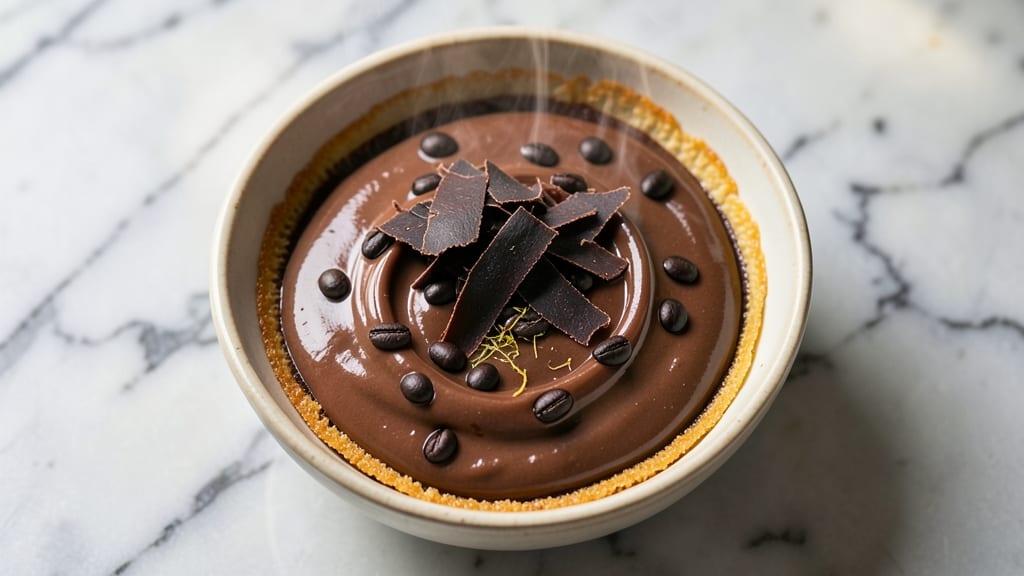
This cannoli chocolate custard filling recipe delivers the perfect balance of crispy shells and velvety truffle cream—just like Sicily’s finest pasticcerias. The secret lies in a slow-cooked custard infused with dark chocolate and espresso, creating depth that rivals traditional ricotta fillings.
Every bite combines the satisfying crunch of the shell with a rich, creamy center that melts beautifully.
What sets this recipe apart is the crispy texture achieved through precise baking techniques for the shells, paired with a custard so smooth it feels decadent yet light.
The process may seem intricate, but breaking it into manageable steps—like tempering the chocolate and properly frying the shells—ensures professional results without the stress. This version stays true to tradition while offering modern twists for home cooks.
By the time you’re done, you’ll have cannoli that look elegant enough for a holiday table but are simple enough for a weeknight treat. The filling’s velvety texture clings to the shells perfectly, while the chocolate and espresso notes add complexity that turns a classic dessert into something extraordinary.
Ready to impress with restaurant-quality cannoli at home?
Whether you’re serving these as a centerpiece for a dinner party or satisfying a late-night sweet tooth, this recipe delivers every time. The key is patience—letting the custard thicken slowly and baking the shells just until they’re golden and crisp.
Trust the process, and you’ll end up with cannoli that taste like they came from a Sicilian bakery.
Ingredients for cannoli chocolate custard filling
Twelve ingredients transform into velvety chocolate custard that rivals Sicilian pasticcerias' finest truffle cream.
| Ingredient | Amount | Notes |
|---|---|---|
| Heavy Cream 🥛 | 2 cups | Full-fat for maximum richness |
| Whole Milk 🥛 | ½ cup | Warmed to blend smoothly |
| Granulated Sugar 🍚 | ¾ cup | Fine grain preferred |
| Dark Chocolate Chips 🍫 | 8 oz | 70% cacao minimum |
| Unsalted Butter 🧈 | ½ cup | Cold, cubed for tempering |
| Espresso Powder ☕ | 1 tbsp | Instant espresso preferred |
| Vanilla Extract 🌿 | 1 tsp | Pure Madagascar preferred |
| Large Egg Yolks 🥚 | 4 whole | Room temperature |
| Pistachios 🌰 | ½ cup | Shells removed, toasted |
| Semisweet Chocolate Chunks 🍫 | 4 oz | For final texture |
| Pinch Salt 🧂 | ¼ tsp | Diamond Crystal preferred |
| Cannoli Shells 🍪 | 12 whole | Store-bought or homemade |
| Powdered Sugar 🍚 | ¼ cup | For dusting |
The chocolate and cream form the custard's soul—70% cacao dark chocolate ensures deep flavor without bitterness, while full-fat heavy cream delivers that signature decadence. For the best chocolate, Valrhona or Ghirardelli brands elevate the dish, but any high-quality dark chocolate works. The espresso powder adds complexity; Starbucks or Lavazza instant espresso powder is my go-to for consistency. Pistachios should be unsalted and lightly toasted—the natural oils enhance the filling's richness. If you're making shells from scratch, Pillsbury refrigerated dough is a shortcut that still yields crisp results.
No dark chocolate? Semisweet chocolate bars work in a pinch, though they lack the depth. Substitute espresso powder with 1 shot of brewed espresso (cooled), but reduce the milk slightly to maintain balance. For a lighter texture, replace half the heavy cream with light cream or coconut cream. If you can't find vanilla extract, vanilla bean paste adds specks that mimic real vanilla's quality. The custard must thicken slowly—no substitutions for patience here. For the shells, pre-made cannoli tubes from Italian markets save time without sacrificing texture.
The custard keeps 3 days refrigerated in an airtight container, though it's best used within 24 hours for peak texture. For longer storage, freeze in 1-ounce portions—thaw overnight in the fridge before filling. The shells stay crisp for 2 days at room temperature if stored in a sealed container. To prevent soggy shells, fill cannoli just before serving. For a professional touch, dust with powdered sugar right before presenting—it adds a delicate contrast to the rich filling.
Why You'll Love This Recipe
- No Fuss, One Pot: I swear by this recipe because it’s literally just a saucepan and a whisk. No blenders, no food processors—just heavy cream, milk, and butter melting together until that chocolate turns into a velvety dream. Even if you burn the sugar once (yes, I did), the flavor still comes out rich and smooth.
- Rich Without the Guilt: Here’s what sold me—the balance of dark chocolate and butter makes it ridiculously indulgent, but the sugar keeps it from being too heavy. That first bite? Pure satisfaction, like a dessert that doesn’t whisper “cheat day” at you afterward. (Between us, I’ve made this for breakfast with toast. Don’t judge.)
- Make-Ahead Magic: This filling stays fresh in the fridge for five days—perfect for prepping ahead of holidays or when you’re hosting. I’ve used it in cannoli shells, stuffed into phyllo cups, or even drizzled over ice cream. The texture holds up, so you’re not scrambling last-minute for a special occasion.
- Budget-Friendly Luxury: Dark chocolate chips and heavy cream might sound fancy, but a single batch stretches to fill dozens of shells or cups. Honestly, I’ve stretched it into three servings by thinning it slightly with extra milk—still decadent, but now I’m not breaking the bank for one dessert. Win-win.
Step-by-step instructions for cannoli chocolate custard filling
Here's the professional method to create a velvety chocolate custard that pairs perfectly with crispy cannoli shells.
Temper the Chocolate for Smooth Incorporation
Place the 8 oz dark chocolate chips and 0.5 cup unsalted butter in a heatproof bowl set over a saucepan of simmering water. Keep the heat at medium-low and stir gently until both ingredients melt completely, creating a glossy chocolate mixture. Remove from heat and let cool to 100°F—this tempering ensures a smooth, professional finish without seizing later.
While the chocolate cools, toast the 0.5 cup pistachios in a dry skillet over medium heat for 3-4 minutes until fragrant. Pulse them in a food processor until finely chopped but not paste-like. Set aside for later use—this adds nutty depth that complements the chocolate.
Infuse the Cream Base with Espresso and Vanilla
In a separate saucepan, combine the 2 cups heavy cream, 0.5 cup whole milk, 1 tbsp espresso powder, and 0.25 tsp pinch salt. Bring to a gentle simmer over medium heat, stirring occasionally to prevent scorching. Remove from heat once small bubbles form around the edges—this infusion creates the signature truffle intensity.
In a small bowl, whisk together the 0.75 cup granulated sugar and 4 whole large egg yolks until pale and slightly thickened. Slowly pour the warm cream mixture into the egg mixture while whisking constantly—this tempering prevents curdling. Return the combined mixture to the saucepan and cook over low heat, stirring continuously, until it reaches 170°F and thickens enough to coat the back of a spoon.
Combine Chocolate and Create the Custard
Immediately remove the custard from heat and whisk in the tempered chocolate mixture until completely smooth. Stir in the 1 tsp vanilla extract and the toasted pistachios, ensuring even distribution. Transfer the mixture to a clean bowl and cover with plastic wrap, pressing the wrap directly onto the surface to prevent a skin from forming. Refrigerate for at least 4 hours or overnight—this resting period develops maximum flavor.
For extra richness, fold in the 4 oz semisweet chocolate chunks just before serving. These will melt slightly, creating delightful pockets of intense chocolate flavor in each bite.
Assemble and Serve with Crispy Shells
Fill the 12 whole cannoli shells with the chilled chocolate custard using a piping bag fitted with a large round tip. Fill each shell about ¾ full—the custard will expand slightly as it warms. Dust generously with 0.25 cup powdered sugar just before serving to create that signature contrast between the crispy shell and creamy filling.
The contrast between the crispy cannoli shells and velvety chocolate custard is what makes this dessert exceptional. Serve immediately to maintain the perfect texture balance—each bite should deliver both the satisfying crunch of the shell and the luxurious creaminess of the chocolate filling.
Pro Tips For Making Cannoli Chocolate Custard Filling
- Temper the Chocolate: Melt the dark chocolate chips slowly over a double boiler—never microwave or dump them straight into hot cream. I learned this the hard way when my first batch seized into a grainy mess. Once the chocolate’s fully melted, whisk it into the warm (not boiling) cream to keep it silky.
- Whisk Like You Mean It: After adding the egg yolks, stir constantly over low heat until the custard thickens enough to coat the back of a spoon. I used to let it simmer too fast, and the eggs would scramble—now I watch for that slow, lazy swirl before it reaches 170°F (77°C). A few seconds too long ruins everything.
- Cool It Properly: Spread the finished custard in a shallow dish and chill it in the fridge covered with plastic wrap pressed right onto the surface. This prevents a skin from forming, and I’ve never had a batch turn out lumpy afterward. (Yes, even if you’re impatient like me.)
- Use Real Butter: Skip the margarine or "butter-flavored" spreads—this isn’t the time to cut corners. Unsalted butter adds richness and helps the custard hold its shape in the cannoli shells. I was skeptical until I tried it, and now I double the amount if I’m feeling extra decadent.
Serving suggestions for this recipe
Classic Garnishes
Start with a light dusting of powdered sugar right before serving—this adds a delicate contrast to the rich chocolate custard and makes your cannoli look restaurant-worthy. I use a fine-mesh sieve for an even, professional finish.
For extra flair, add a few toasted pistachios on top or sprinkle with dark chocolate shavings using a vegetable peeler. 🌟
Contrast Textures
Balance the creamy filling with crunchy elements like crushed amaretti cookies or orange zest. The bitterness of the zest cuts through the sweetness beautifully. I like to mix ½ cup crushed cookies into the custard before piping for an integrated texture surprise.
For a modern twist, add candied orange peel—just toss strips in simple syrup and let dry before using.
Warm vs. Cold
Serve cannoli at room temperature for the best texture contrast—cold custard pairs perfectly with crisp shells. If you prefer warmth, gently heat the shells in a 200°F oven for 3-4 minutes while keeping the filling chilled.
This enhances the crunch without melting the custard. For a decadent touch, drizzle with warm chocolate sauce (melt 4 oz dark chocolate with 2 tbsp heavy cream).
Pairing with Coffee
A strong espresso or cappuccino is the ideal companion—its bitterness mirrors the chocolate filling. I recommend Italian roasts like Lavazza or Illy for the best flavor harmony.
For a dessert course, serve with vanilla gelato on the side. The cold gelato cools the palate between bites, while the gelato’s sweetness complements the cannoli’s richness.
Seasonal Twists
In summer, add fresh raspberries or blackberries for a fruity contrast. In winter, swap pistachios for toasted hazelnuts and fold in cinnamon for warmth. For holidays, use candied cranberries and a sprinkle of sea salt—the tartness balances the sweetness perfectly.
These variations keep your cannoli exciting year-round while maintaining the classic texture contrast. 💫
Nutrition facts
Frequently asked questions about cannoli chocolate custard
Can I make this chocolate custard ahead of time?
The custard tastes best when made at least 4 hours ahead—this allows flavors to meld perfectly. Store it in an airtight container in the fridge for up to 3 days. For longer storage, freeze in 1-ounce portions and thaw overnight in the fridge before filling. The shells should be filled just before serving to maintain crispness.
What's the secret to crispy cannoli shells?
Proper frying is key! Fry shells at 350°F for 30-45 seconds per side until golden brown. Drain on a wire rack (not paper towels) to prevent sogginess. For extra crunch, bake pre-fried shells at 375°F for 5 minutes before filling. Store shells in an airtight container at room temperature for up to 2 days.
Why did my custard turn grainy?
Graininess usually means the custard was overcooked or the chocolate wasn't properly tempered. Always cook the custard to 170°F (not boiling) and whisk constantly. For the chocolate, melt it gently with butter and cool to 100°F before mixing. If it happens, strain the custard through a fine-mesh sieve before chilling.
Can I substitute the pistachios with other nuts?
Toasted hazelnuts or pecans work beautifully for a different flavor profile. For a nut-free version, try freeze-dried raspberries (pulse them finely) or orange zest. Just toast or dry-fry any substitutes first to enhance their flavor. The texture should remain finely chopped—not paste-like.
How do I fix runny filling in my cannoli?
Runny filling usually means the custard wasn't chilled long enough or the shells were filled too warm. Always chill the custard for at least 4 hours and fill shells with a piping bag at room temperature. For immediate fixes, dust the outside of shells with powdered sugar to absorb excess moisture, or chill assembled cannoli for 30 minutes before serving.