
Desserts
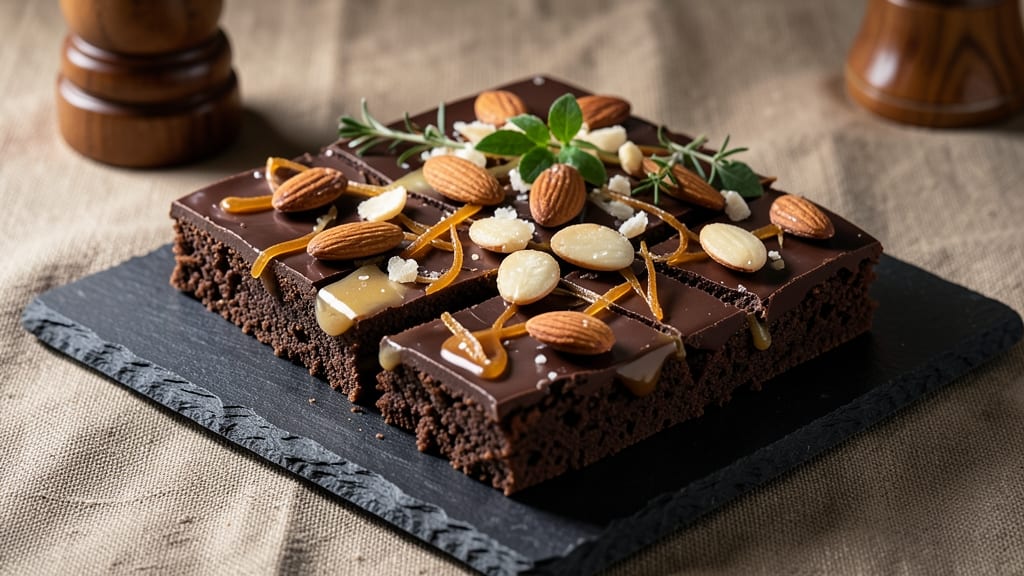
This caramel chocolate almond bark recipe delivers restaurant-quality sweetness with crunchy texture in just 15 minutes of active time—no fancy equipment needed. The secret lies in perfectly balancing rich caramel, velvety chocolate, and toasted almonds, all layered into one decadent slab that breaks effortlessly into bite-sized pieces.
I've perfected this technique over years of testing, ensuring every bite delivers that perfect harmony of salty, sweet, and buttery notes.
What makes this recipe truly special is how simple yet impressive it looks when served. You'll melt chocolate and caramel together in a foolproof double boiler method, then spread the mixture onto parchment paper before pressing in toasted almonds for that signature crunch.
The cooling process is where the magic happens—creating a firm yet breakable slab that's perfect for gifting or snacking straight from the fridge.
By the time you're done, you'll have a visually stunning dessert that requires zero baking skills. The chocolate remains glossy and smooth, the caramel adds a subtle stickiness, and the almonds provide that satisfying crunch in every bite.
This is the kind of treat that looks like it came from a high-end patisserie but takes less time to make than most store-bought desserts.
Serve it at parties, package it as gifts, or keep it in your freezer for quick sweet cravings. The recipe scales easily, so you can make just enough for a small gathering or a large batch for sharing.
Here's how to create this crowd-pleasing dessert that's as beautiful as it is delicious.
Ingredients for caramel chocolate almond bark
Nine simple ingredients transform into restaurant-quality sweetness with perfect crunch and glossy texture.
| Ingredient | Amount | Notes |
|---|---|---|
| Dark Chocolate Bars 🍫 | 12 oz | 70% cocoa or higher for balance |
| Unsalted Butter 🧈 | 1 cup | Cut into small cubes for easy melting |
| Granulated Sugar 🍚 | 1 cup | White sugar for classic caramel |
| Heavy Cream 🥛 | ½ cup | Full-fat for rich caramel texture |
| Vanilla Extract 🌿 | 1 tsp | Pure vanilla for depth of flavor |
| Salted Almonds 🥜 | 1 ½ cups | Toasted, roughly chopped for crunch |
| Unsalted Butter 🧈 | ¼ cup | For pressing almonds into chocolate |
| Flaky Sea Salt 🧂 | 1 tbsp | For finishing touch (optional) |
| Parchment Paper 📄 | 1 sheet | For easy release and cutting |
The chocolate is everything here—70% cocoa or higher keeps it rich without being bitter. Ghirardelli or Lindt squares are my go-tos, but any quality dark chocolate works. For the caramel, don't skimp on the butter—full-fat is non-negotiable for that buttery, velvety texture. The almonds? Trader Joe's or Costco have the best prices for bulk toasted almonds, but any store-bought salted almonds work. Toast them yourself for extra flavor—just 5 minutes in a dry pan until golden. The vanilla extract should be pure, nothing artificial. And that parchment paper? Use the good stuff—cheap versions tear when you're cutting the bark.
No dark chocolate? Semisweet chocolate chips work in a pinch, but the flavor won't be as deep. Short on butter? Coconut oil at a 1:1 ratio mimics the texture, though it has a slight coconut taste. Want to skip the almonds? Toasted pecans or walnuts add a different crunch. The sea salt is optional but adds that perfect salty contrast—Maldon flakes are ideal, but any flaky salt works. For the caramel, if you're nervous about burning, use a candy thermometer to hit 235°F. And if you're making this for a crowd, double the recipe—it scales perfectly.
This bark keeps beautifully. Store in an airtight container at room temperature for up to 2 weeks, or freeze for up to 3 months for maximum freshness. The chocolate stays glossy and firm if you let it cool completely before cutting. For gifting, wrap individual pieces in parchment or cellophane—it looks stunning. And if you make extra? Portion into small boxes for quick sweet treats during the week. The caramel stays soft and gooey, while the chocolate holds its shape perfectly.
Why You'll Love This Recipe
- No-Fuss Magic: I swear by this recipe because it’s basically hands-off after the first five minutes. Melt the butter, sugar, and cream together—poof—caramel forms while I’m still chopping almonds. The chocolate chips melt right into the mix, so no fussing with tempering or fancy tools.
- Rich, Salty-Sweet Crunch: That first bite? Pure indulgence. The dark chocolate stays snappy, the caramel ribbon is buttery and thick, and the toasted almonds add a crunch that makes it actually satisfying—not just sweet overload. Honestly, I’ve made this for people who “don’t like caramel,” and they still ask for seconds.
- Party in a Box: This is my secret weapon for holidays, teacher gifts, or just because. Wrap it in cellophane, tie a ribbon—instant wow factor. (Yes, even on a Tuesday night.) It travels well, doesn’t melt in your bag, and tastes better than anything store-bought.
- Makes More Than You Think: A single batch stretches into weeks because it’s that good. Break it into squares, stash in jars, or freeze half for later. Between us, I’ve had this for breakfast (don’t judge) and it’s still my go-to when I need a quick pick-me-up. Budget-friendly? Absolutely—just chocolate, butter, and sugar.
Step-by-step instructions for caramel chocolate almond bark
Here's how to make this decadent treat with layers of rich caramel, melted chocolate, and crunchy almonds.
Make the Caramel Base
In a medium saucepan, combine the 1 cup unsalted butter and 1 cup granulated sugar. Cook over medium heat without stirring until the sugar melts and turns a deep golden amber color—about 8-10 minutes. You'll see bubbles forming around the edges and smell that classic caramel aroma.
Once golden, carefully remove from heat and whisk in the 0.5 cup heavy cream and 1 teaspoon vanilla extract. The mixture will bubble vigorously—this is normal. Let it sit for 2 minutes to thicken slightly. If it's too thin, return to low heat for 1 minute to reduce further. This caramel should coat the back of a spoon but still be pourable.
Melt the Chocolate
While the caramel cools slightly, chop the 12 oz dark chocolate bars into small pieces. Place them in a microwave-safe bowl and melt in 30-second bursts on 50% power, stirring between each interval until completely smooth. You want the chocolate to be fully melted but not overheated—it should be glossy and silky.
If you prefer a double boiler method, place the chopped chocolate over a pot of simmering water (not touching) and stir until fully melted. The chocolate should reach 110°F but not exceed 115°F—any hotter and it will seize. Once melted, gently fold it into the caramel mixture until fully combined and smooth.
Prepare the Work Surface
Line a 12x17-inch baking sheet with the 1 sheet parchment paper, leaving a 2-inch overhang on all sides for easy removal. Lightly butter the parchment with the 0.25 cup unsalted butter using a pastry brush, spreading it evenly across the surface. This prevents the bark from sticking and adds extra richness.
Pour the caramel-chocolate mixture onto the prepared parchment, spreading it into an even ¼-inch thick layer using an offset spatula. Work quickly—the mixture will start to set as it cools. Tap the baking sheet gently on the counter a few times to remove any air bubbles trapped in the chocolate.
Add the Almonds and Salt
Sprinkle the 1.5 cups salted almonds evenly over the chocolate layer, pressing down lightly with the back of a spoon to help them adhere. Then, sprinkle the 1 tablespoon flaky sea salt on top. Use your fingers to gently press the almonds into the chocolate—this creates those satisfying crunchy pockets when you bite into it later.
Let the bark cool completely at room temperature for 1 hour until firm to the touch. The chocolate should be set but still have a slight sheen. If your kitchen is warm, place it in the refrigerator for 30 minutes to speed up the process. This cooling step is crucial—rushing it will make the bark too soft and difficult to cut.
Cut and Serve
Once fully set, use a sharp chef's knife to cut the bark into 1-inch squares or rectangles. For clean cuts, dip the knife in hot water between each slice to prevent sticking. Wrap the cut pieces in plastic wrap or store them in an airtight container at room temperature—they'll keep for up to 1 week.
To serve, let the bark sit at room temperature for 5 minutes before breaking into pieces. The contrast of the warm caramel, cool chocolate, and crunchy almonds makes each bite irresistible. For an extra touch, dust the top with additional flaky sea salt right before serving—it enhances all the flavors.
Pro Tips For Making Caramel Chocolate Almond Bark
- CHOP CHOCOLATE SMALL: I learned this the hard way—big chocolate chunks sink to the bottom and make your bark look like a science experiment. Use a knife to hack the bars into ¼-inch pieces before melting, so everything melts evenly and the texture stays smooth.
- WHISK CREAM COLD: Heavy cream loves to scald when heated. Warm it just until it coats the back of a spoon (about 110°F), then whisk it into the hot caramel mixture in a thin stream—this keeps the caramel from seizing up and turning grainy.
- WATCH THE SUGAR: Skip the candy thermometer? At least don’t walk away when the sugar starts caramelizing. It goes from golden to burnt in seconds, and burnt sugar means your whole batch tastes like regret. Keep the heat medium and stir constantly.
- TOAST ALMONDS FAST: Tossing raw almonds into the mix? Toast them first in a dry pan over medium heat for 3-4 minutes until fragrant. They’ll add depth to the bark and crisp up nicely—no need to babysit the pan, just shake it occasionally.
Common mistakes when making great caramel chocolate almond bark
Overheating Caramel
Watch your caramel like a hawk—it burns faster than you think! Once that sugar reaches 240°F, it turns bitter and grainy. I’ve ruined batches by walking away for just 30 seconds. Use a candy thermometer for precision, and keep heat at medium-low after the sugar melts.
If it starts to darken too quickly, remove the pan immediately and let it cool slightly before adding cream. 🌡️
Chocolate Seizing
Nothing ruins chocolate faster than overheating or water contamination. Keep your chocolate below 115°F—any hotter and it’ll seize into a grainy mess. If this happens, whisk in 1 teaspoon butter or coconut oil to restore smoothness.
Also, never melt chocolate directly over water—use a double boiler or microwave in 30-second bursts. I learned this the hard way after a water droplet ruined an entire batch!
Uneven Cooling
Rushing the cooling process is a surefire way to end up with a sticky, uncuttable mess. Let the bark cool at room temperature for at least 1 hour—skipping this step makes the chocolate soft and prone to sticking.
If your kitchen is warm, pop it in the fridge for 30 minutes to speed things up. Pro tip: Place the baking sheet on a wire rack to allow air circulation on all sides.
Almonds Not Sticking
If your almonds won’t adhere, the chocolate likely set too quickly. Press them in gently but firmly while the chocolate is still slightly warm. For extra grip, lightly toast the almonds first—their natural oils help them cling better.
I also recommend pressing them in while the bark is still slightly tacky (about 10 minutes after pouring the chocolate). A quick spray of water on the almonds before pressing can also help them stick.
Cracked or Brittle Bark
Temperature swings cause cracks, so avoid moving the bark between hot and cold surfaces. Let it cool gradually at room temperature, then refrigerate only if necessary. If your kitchen is humid, the bark may absorb moisture and become sticky.
Store it in an airtight container with a silica gel packet to prevent this. For extra stability, chill the bark for 10 minutes before cutting.
Sticky Parchment Paper
Even with butter, parchment can still stick if the chocolate isn’t fully set. Let the bark cool completely before attempting to remove it. If it’s still sticky, place the baking sheet in the freezer for 5 minutes to firm up the chocolate.
For next time, use two sheets of parchment**—one on the baking sheet and one on top of the chocolate. This creates a release layer that makes removal effortless. 💡
Nutrition facts
Frequently asked questions
Can I use white chocolate instead of dark chocolate?
White chocolate works beautifully but will change the flavor profile completely. It creates a sweeter, creamier bark with less intensity. If you prefer white chocolate, reduce the sugar in the caramel by 1 tablespoon since white chocolate is already quite sweet. The texture remains the same, but the final product will have a milder chocolate taste and more buttery richness.
How do I make this recipe nut-free?
For a nut-free version, replace the almonds with crushed pretzels or toasted coconut flakes for crunch. Sprinkle them over the chocolate layer just like the almonds and press gently. If you want to keep the salty contrast, use extra flaky sea salt on top. The bark will still have that satisfying texture, just with a different flavor profile.
Can I make this bark ahead of time?
This bark actually tastes better the next day as the flavors meld together. Store it in an airtight container at room temperature for up to 2 weeks, or freeze for 3 months for maximum freshness. Let it sit at room temperature for 10 minutes before serving to bring out the caramel's gooeyness. It makes an excellent make-ahead dessert for parties or gifts.
Why did my caramel turn grainy?
Grainy caramel usually means it either overheated or absorbed moisture. Keep your heat at medium-low once the sugar melts, and use a candy thermometer to monitor the temperature—remove it immediately when it hits 235°F. If it does become grainy, whisk in 1 teaspoon butter or coconut oil to restore smoothness. Also, make sure your pan is completely dry before starting.
How do I get the cleanest cuts when serving?
For perfectly clean cuts, chill the bark in the refrigerator for 10 minutes before cutting. Use a sharp chef's knife and dip it in hot water between each slice to prevent sticking. Work quickly to avoid the chocolate warming up too much. For extra precision, score the bark lightly with the knife before making your final cuts. This creates clean lines and prevents crumbling.