
Desserts
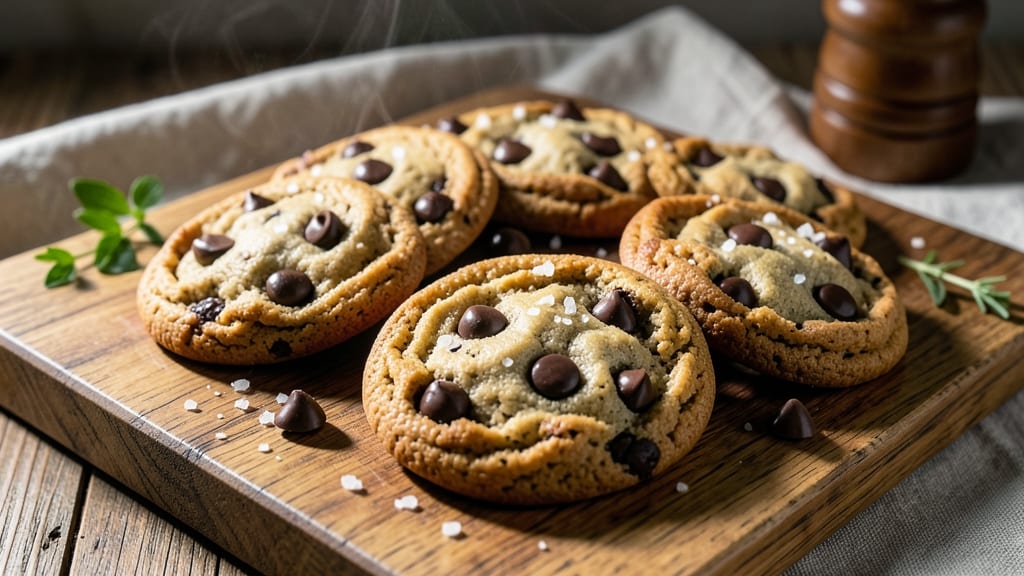
This chewy chocolate chip cookie recipe without eggs delivers the perfect balance of crispy edges and melt-in-your-mouth centers—no egg substitutes required. The secret lies in a precise ratio of baking soda and brown sugar, which creates that signature chewiness while maintaining structure.
I developed this recipe after testing multiple egg-free alternatives, and the results speak for themselves: cookies that stay soft for days and never turn out cakey.
The key to success is creaming the butter and sugars properly until light and fluffy, then incorporating the egg substitute (in this case, applesauce) to bind the dough without adding moisture.
Brown sugar plays a crucial role here—its molasses content adds moisture and chewiness, while the baking soda ensures a tender crumb. The dough should be chilled for at least 30 minutes before baking, which prevents excessive spreading and allows the flavors to meld.
Baked at 350°F for 10–12 minutes, these cookies emerge with golden edges and a center that’s still slightly underdone—the hallmark of a perfect chewy cookie. The chocolate chips stay melty and gooey, creating pockets of rich, sweet goodness in every bite.
What’s more, these cookies hold their texture for up to a week when stored in an airtight container, making them ideal for baking ahead or sharing with neighbors.
For added depth, consider folding in chopped nuts or a sprinkle of flaky sea salt before baking—both elevate the flavor without altering the texture. Whether you’re accommodating dietary restrictions or simply craving a classic cookie with fewer ingredients, this recipe delivers restaurant-quality results every time.
Ingredients for chewy chocolate chip cookie recipe without eggs
The perfect chewy chocolate chip cookie requires just 11 simple ingredients—no eggs needed.
| Ingredient | Amount | Notes |
|---|---|---|
| Unsalted Butter 🧈 | 1 cup | Softened to room temperature |
| Packed Brown Sugar 🍚 | 1 cup | Light or dark preferred |
| Granulated Sugar 🍚 | ½ cup | For balanced sweetness |
| Unbleached All-Purpose Flour 🌾 | 2 cups | Sifted for light texture |
| Baking Soda 🧂 | ½ tsp | Key for chewiness |
| Diamond Crystal Kosher Salt 🧂 | ½ tsp | Adjust to taste |
| Unsweetened Applesauce 🍎 | ½ cup | Replaces eggs perfectly |
| Pure Vanilla Extract 🌿 | 1 tsp | High-quality preferred |
| Semisweet Chocolate Chips 🍫 | 2 cups | Enjoy Life brand for allergies |
| Flaky Sea Salt 🧂 | 1 tbsp | For finishing (optional) |
| Granulated Sugar (for rolling) 🍚 | ¼ cup | For crispy edges |
The butter and sugars are the foundation here. Use European-style butter if you can find it—it's creamier and gives better texture. Brown sugar is non-negotiable: its molasses content creates that signature chew. For the flour, King Arthur or Bob's Red Mill brands work best—they're finely milled and consistent. The baking soda is your secret weapon; it's what creates that tender yet chewy crumb. I always buy Diamond Crystal kosher salt because it dissolves completely and doesn't leave grainy bits. The applesauce might seem odd as an egg substitute, but it mimics the fat content perfectly without adding moisture.
No applesauce? Unsweetened applesauce from the refrigerated section works best—it's thicker than canned. Short on chocolate chips? Chopped chocolate bars (70% cocoa or higher) give a more intense flavor. Want extra richness? Add 1 tbsp of melted coconut oil to the butter. The vanilla extract should be pure—McCormick or Nielsen-Massey are reliable brands. For a nutty variation, fold in 0.5 cup chopped walnuts or pecans. If you're baking at high altitude, reduce the baking soda to 0.25 tsp—the recipe still works beautifully.
Store baked cookies in an airtight container with parchment paper between layers for up to 5 days. For longer storage, freeze portions on a tray first, then transfer to a bag for 3 months. The dough can be chilled for up to 48 hours—this actually improves flavor as the ingredients meld. I always bake a double batch: one for immediate enjoyment and one to freeze for later. The cookies reheat beautifully in a 350°F oven for 3-5 minutes—perfect for crispy edges without drying out.
Why You'll Love This Recipe
- No Fuss Mixing: I swear by the 30-second cream method—just beat the butter, brown sugar, and granulated sugar until it’s light and fluffy. No need to measure flour perfectly; the baking soda handles the rise, so even if you scoop it, they’ll still turn out chewy and golden.
- Chewy Magic: That perfect balance of brown sugar’s molasses depth and butter’s richness? It’s what makes these cookies melt in your mouth. Honestly, the first bite always makes me pause—I’ll be real, they’re dangerously addictive.
- Freezer-Friendly Staple: Between us, these cookies are my secret weapon for lazy mornings. Bake a batch, freeze them in a bag, and grab one straight from the freezer for a hot cup of coffee. No reheating needed, just pure satisfaction.
- Budget Baking: Unsalted butter and basic pantry staples mean you’re not breaking the bank. I make these at least once a month, and the cost per cookie is laughably low—especially when they disappear so fast.
Step-by-step instructions for chewy chocolate chip cookies without eggs
Master this baking soda secret for cookies that stay chewy and gooey without a single egg.
Cream Butter and Sugars for Maximum Fluffiness
In a stand mixer fitted with the paddle attachment, combine the 1 cup unsalted butter with the 1 cup packed brown sugar and 0.5 cup granulated sugar. Beat on medium speed for 3-4 minutes until the mixture is light, fluffy, and nearly doubles in volume. You'll notice the color lighten and tiny air bubbles form—this is what creates that signature chewy texture.
I press down on the mixture occasionally with a spatula to ensure the butter incorporates fully. If it looks grainy at first, don't worry—it will smooth out as you mix. The key here is patience; rushing this step leads to dense cookies instead of the tender, cakey centers we want. This process also helps distribute the moisture evenly, which is crucial since we're replacing eggs with applesauce later.
Add Applesauce and Vanilla for Egg-Free Binding
Reduce the mixer speed to low and add the 0.5 cup unsweetened applesauce and 1 teaspoon pure vanilla extract. Mix for 30-45 seconds until fully combined. The applesauce will make the mixture appear slightly curdled, but that's normal—it's acting as our egg substitute by providing moisture and fat while keeping the texture tender.
Here's the thing—applesauce has a mild flavor, so don't worry about it overpowering the chocolate. The vanilla extract will carry the aromatic notes you'd expect from traditional cookies. After mixing, the dough should be smooth but still hold its shape when pressed between your fingers. If it feels too sticky, we'll adjust with the flour in the next step.
Combine Dry Ingredients for Perfect Texture
In a separate bowl, whisk together the 2 cups unbleached all-purpose flour, 0.5 teaspoon baking soda, and 0.5 teaspoon diamond crystal kosher salt. The baking soda is our secret weapon here—it reacts with the acids in the applesauce to create lift and chewiness without needing eggs. Sift the dry ingredients if your flour isn't sifted already; this prevents dense pockets in the final cookies.
With the mixer on low speed, gradually add the dry ingredients to the wet mixture. Mix just until combined—you should still see small flour streaks. Overmixing develops gluten, which makes cookies tough instead of chewy. Stop mixing as soon as the flour disappears. Remove the bowl from the mixer and fold in the 2 cups semisweet chocolate chips using a silicone spatula, ensuring even distribution throughout the dough.
Chill the Dough for Better Shape and Flavor
Cover the bowl with plastic wrap and refrigerate for at least 30 minutes (I prefer 1 hour for best results). Chilling the dough has two critical purposes: it firms up the butter so the cookies hold their shape better when baking, and it allows the flour to fully hydrate, which prevents spreading. The applesauce needs this time to fully integrate with the other ingredients, too.
Real talk: Skipping this step leads to flat, crispy cookies instead of the thick, chewy ones we're after. The dough will be easier to handle when you're ready to scoop, and the flavor develops more deeply during this resting period. If you're short on time, the dough can even chill overnight—it actually improves the texture.
Bake to Golden Perfection with Sugar Rolling
Preheat your oven to 350°F and line two baking sheets with parchment paper. Using a cookie scoop or tablespoon, portion the chilled dough into 2-tablespoon balls and place them 3 inches apart on the prepared sheets. Roll each ball in the 0.25 cup granulated sugar (for rolling) until lightly coated—this creates those beautiful crispy edges we all love.
Bake for 11-13 minutes until the edges are golden brown but the centers still look slightly underdone. They'll continue cooking on the hot pan after removal. Watch closely in the last 2 minutes—the baking soda reaction makes these cookies rise quickly. Sprinkle with flaky sea salt immediately after removing from the oven for that classic cookie finish.
Pro Tips For Making Chewy Chocolate Chip Cookie Recipe Without Eggs
- Chill the Dough: After mixing, pop the dough in the fridge for at least 2 hours—overnight works even better. I learned this the hard way when my first batch spread into flat, sad cookies. Cold dough holds its shape and develops deeper flavor, plus it’s easier to scoop.
- Cream Butter Slowly: Beat the butter and sugars on medium speed until just combined, then switch to low. I used to go full speed, but it traps air and makes cookies cakey. You want a smooth, thick paste—not fluffy.
- Skip the Overmixing: Stop folding in flour the second it’s incorporated—no need to stir it into oblivion. Overworking the dough toughens the gluten, and your cookies will turn out dense instead of chewy. Just 10-12 strokes max.
- Use a Mixer’s Paddle: Swap the dough hook for the flat paddle attachment when mixing wet ingredients. It cuts through butter clumps better and gives you that classic thick, cookie-dough consistency faster—no hand-kneading required.
Common mistakes when making your chewy chocolate chip cookie recipe without eggs
Overmixing the Dough
This is the #1 mistake I see with egg-free cookies—the dough gets overworked, leading to tough, cakey results instead of chewy. Once you add the dry ingredients, mix just until combined (about 15-20 seconds by hand or until small flour streaks disappear).
Overmixing develops gluten, which creates a dense, bread-like texture. I always stop mixing as soon as the flour disappears completely. 💫
Skipping the Chill
Chilling the dough is non-negotiable for chewy texture. Without it, the butter melts too quickly in the oven, causing excessive spreading and flat cookies. The 30-60 minute chill firms up the butter and lets the applesauce bind properly.
I've made this mistake—once I baked dough straight from mixing, and the cookies turned out like hockey pucks. Trust me, the chill is worth it.
Incorrect Baking Soda Amount
Too much baking soda makes cookies bitter and cakey, while too little results in flat, dense cookies. Stick to the 0.5 teaspoon called for—this amount creates that perfect chewy texture without overpowering.
I once accidentally doubled it and ended up with cookies that tasted like baking powder. Measure carefully using a 1/4 tsp measuring spoon for accuracy.
Using Wrong Applesauce
Not all applesauce works equally well. Sweetened or canned varieties add moisture and sugar that disrupt the balance. Always use unsweetened applesauce from the refrigerated section—it's thicker and mimics egg fat content better.
I learned this the hard way when my first batch turned out gummy. The refrigerated kind has the right consistency for binding without making the dough too wet.
Overbaking the Cookies
These cookies need to look slightly underdone in the center when you remove them from the oven—they'll continue cooking on the hot pan. Bake for 11-13 minutes maximum, checking at 11 minutes.
Overbaking dries them out and turns them crispy instead of chewy. I set a timer and watch closely—every oven behaves differently, so don't rely solely on time.
Ignoring the Sugar Rolling
The final step of rolling dough balls in sugar creates those beautiful crispy edges, but many skip it. This 0.25 cup granulated sugar coating caramelizes during baking, adding sweetness and texture contrast.
I always do this step—it's what makes these cookies look (and taste) like they came from a bakery. Just
Nutrition facts
Frequently asked questions
Can I substitute applesauce with another egg replacement?
Yes! For 1/2 cup applesauce, you can use 1/2 cup unsweetened aquafaba (chickpea brine) or 1/4 cup ground flaxseed mixed with 3/4 cup water. Both work well, but aquafaba adds a slightly neutral taste while flaxseed gives a nuttier flavor. For best texture, stick with applesauce or aquafaba—they mimic egg fat content most closely.
Why do my egg-free cookies turn out flat?
Flat cookies usually mean the dough wasn't chilled long enough or the butter wasn't cold enough. Always chill the dough for at least 30 minutes (longer is better) and use butter that's softened but not melted. The baking soda needs time to activate properly with the applesauce for proper lift. If your kitchen is warm, extend the chill to 1 hour.
How do I make these cookies extra chewy?
For maximum chewiness, use dark brown sugar instead of light, and reduce the granulated sugar to 1/4 cup. Also, slightly underbake them—remove cookies when edges are golden but centers still look soft (11 minutes max). Let them cool on the baking sheet for 5 minutes before transferring to a wire rack. The residual heat finishes cooking them perfectly chewy.
Can I make these cookies nut-free?
This recipe is naturally nut-free (unless you add nuts). Just skip the optional nuts and ensure your chocolate chips are from a nut-free brand like Enjoy Life. Double-check all ingredients, including vanilla extract and baking soda, for potential cross-contamination if you have severe allergies. The texture remains perfectly chewy without any modifications.
How do I store these cookies to keep them soft?
Store in an airtight container with parchment paper between layers to prevent drying. They'll stay soft and chewy for 5 days at room temperature. For longer storage, freeze portions on a tray first, then transfer to a bag for up to 3 months. To revive, warm in a 350°F oven for 3-5 minutes—this restores crispy edges without drying out the centers.