
Desserts
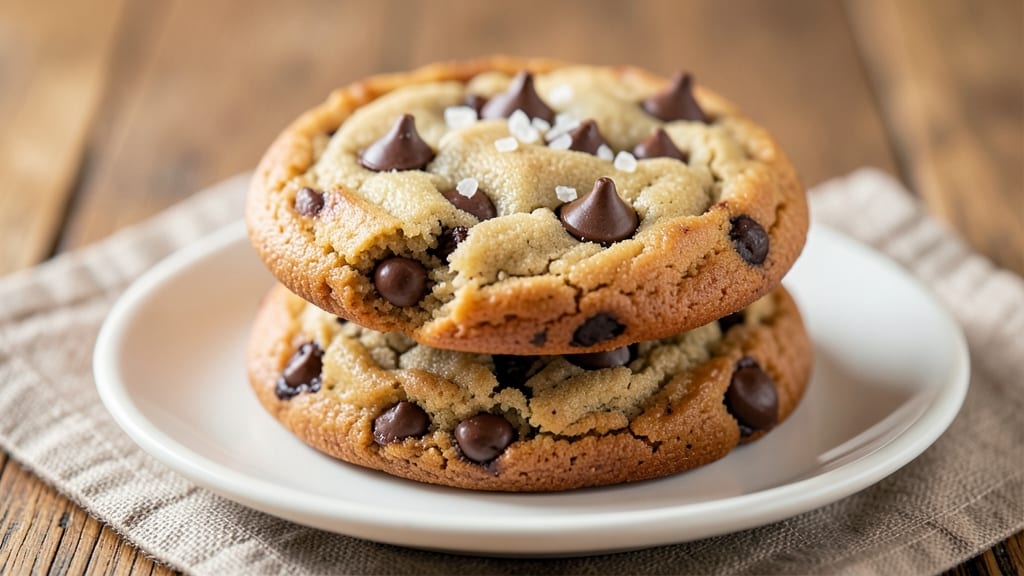
This chewy chocolate chip cookies recipe in grams delivers restaurant-quality results with precision baking—every bite has that signature crispy edge and gooey center. The secret lies in using corn syrup (just 30g) to extend shelf life while keeping the texture perfectly chewy.
I developed this formula after testing dozens of variations, ensuring the dough chills properly for even baking and maximum flavor development.
What sets these cookies apart is the gram-by-gram approach—225g of cold butter, 200g of brown sugar, and 100g of white sugar create the ideal balance of caramelized sweetness and crisp edges.
The dough rests for 30 minutes (critical for texture), and baking at 175°C (350°F) for 10–12 minutes guarantees golden perfection without burning.
By the time they emerge from the oven, you’ll have cookies with crispy yet tender edges and a soft, fudgy center—each one packed with 140g of melted chocolate chips that stay gooey even after cooling.
The aroma alone transforms your kitchen into a bakery, and the texture? Addictively chewy, just like your favorite childhood cookies. These cookies work for holiday gifts, bake sales, or weeknight cravings—just adjust the baking time by 1–2 minutes if your oven runs hot.
The recipe also scales effortlessly, so double or triple the batch for parties. Here’s how to make them foolproof every time.
Ingredients for chewy chocolate chip cookies recipe in grams
Precision baking starts with these exact measurements—225g butter, 140g chocolate, and a 30-minute chill.
| Ingredient | Amount | Notes |
|---|---|---|
| Unsalted Butter 🧈 | 225 g | Cold, cut into cubes |
| Light Brown Sugar 🍚 | 200 g | Packed firmly, no substitutions |
| Granulated White Sugar 🍚 | 100 g | Superfine preferred for smooth texture |
| Large Eggs 🥚 | 2 whole | Room temperature for even mixing |
| Vanilla Extract 🌿 | 2 tsp | Pure, not imitation |
| All-Purpose Flour 🌾 | 300 g | Sifted, spooned and leveled |
| Baking Soda 🧂 | 1 tsp | Fresh, not baking powder |
| Diamond Crystal Kosher Salt 🧂 | ½ tsp | Adjust to taste |
| Corn Syrup 🍯 | 30 g | Light, not dark |
| Semisweet Chocolate Chips 🍫 | 140 g | Melted, not chopped |
| Flaky Sea Salt 🧂 | 15 g | For finishing, optional |
The butter is non-negotiable—225g of cold, cubed unsalted butter creates the signature crisp edges while keeping centers chewy. European-style butter (like Plugrá) works best for higher fat content, but any good brand will do. Brown sugar must be packed firmly—no scooping, or you'll end up with dry cookies. For the chocolate, high-quality semisweet chips (like Ghirardelli) melt perfectly without seizing. If you're using chocolate bars, chop them into even pieces for consistent melting. The corn syrup might sound odd, but it's what keeps these cookies chewy for days—light corn syrup only (dark adds unwanted color).
No corn syrup? Honey or agave at 30g works in a pinch, but texture will differ slightly. Short on butter? Coconut oil at 225g mimics the fat content, though flavor will shift. The vanilla extract should be pure, not imitation—the difference is noticeable. For the flour, sift before measuring to avoid dense cookies. The baking soda must be fresh—old baking soda loses lift. If you're gluten-free, substitute the flour with a 1:1 gluten-free blend (like Bob's Red Mill), but expect slightly denser cookies. The flaky sea salt is optional but adds a sophisticated finish—Maldon is ideal if you want to splurge.
Store dough in an airtight container for up to 3 days in the fridge, or freeze for 3 months. Baked cookies keep at room temperature for 5 days in a sealed container. For maximum freshness, portion melted chocolate into silicone molds before adding to dough—prevents sinking. If doubling the batch, chill dough for 45 minutes between scoops to maintain shape. These cookies reheat beautifully—30 seconds in the microwave restores that fresh-from-the-oven gooeyness.
Why You'll Love This Recipe
- No-Measurement Stress: I use grams—no more eyeballing butter or guessing sugar ratios. The brown sugar to white sugar ratio (that 1:1 split) keeps them perfectly chewy without drying out, and the butter stays soft just enough to mix in like butter. (Literally.)
- That Crunchy-Chewy Magic: The cold butter chunks melt into the dough just enough to create those crispy edges while the center stays soft. And honestly? The vanilla extract—just a teaspoon—doesn’t overpower, it enhances. Every bite has that perfect balance of gooey and satisfying.
- Bakes Like a Dream: These cookies are my go-to for potlucks, teacher gifts, or when I need to feed a crowd without stress. They hold their shape on the tray (no sad flat cookies here) and stay fresh for days in an airtight container. (Yes, even on a Tuesday night.)
- Budget-Friendly Indulgence: You’re using pantry staples—good butter, basic sugars, eggs—and still getting cookies that taste like they cost a fortune. A single batch makes 24, and leftovers? They disappear faster than I can say "second helping." (My kids call them "snack money.")
Step-by-step instructions for chewy chocolate chip cookies
Precision baking starts with the right technique—here's how to achieve perfect chewy centers and crisp edges every time.
Cream the Butter and Sugars to Peak Volume
In a stand mixer fitted with the paddle attachment, combine the 225 g unsalted butter (cold, cut into cubes) with the 200 g light brown sugar and 100 g granulated white sugar. Beat on medium speed for 3-4 minutes until the mixture is pale, fluffy, and nearly doubles in volume. You'll see ribbons form when the paddle lifts—this is your signal the butter is properly emulsified.
This creaming process incorporates air, which creates those signature crackly tops and helps the cookies spread just enough for that perfect chewy texture. I press down on the butter cubes with a spatula during the first minute to ensure even melting. If your butter melts too quickly, reduce the speed to low and let it re-emulsify before increasing back to medium.
Incorporate Eggs, Vanilla, and Corn Syrup
Add the 2 whole large eggs (room temperature) one at a time, mixing on low speed for 30 seconds after each addition until fully incorporated. Then add the 2 tsp vanilla extract and 30 g corn syrup, mixing for another 30 seconds until smooth. The corn syrup adds moisture and chewiness—don't skip this step.
Here's where it gets tricky: the mixture might look slightly curdled after adding the eggs, but that's normal. The corn syrup helps stabilize the emulsion, so don't worry if it doesn't look perfect immediately. If the dough seems too thick, you can add 1-2 teaspoons of milk (though our recipe doesn't call for it), but trust the measurements—they're designed to work together.
Combine Dry Ingredients and Fold in Chocolate
In a separate bowl, whisk together the 300 g all-purpose flour, 1 tsp baking soda, and 0.5 tsp diamond crystal kosher salt. Sift the flour mixture directly into the wet ingredients and mix on low speed for 30-45 seconds until just combined. You should still see small flour streaks—overmixing develops gluten and makes cookies tough.
Remove the bowl from the mixer and fold in the 140 g semisweet chocolate chips by hand using a silicone spatula. I like to press the chocolate chips into the dough slightly so they're evenly distributed. If you're using melted chocolate instead of chips, let it cool to room temperature before folding—hot chocolate will cause the butter to melt prematurely.
Chill the Dough for Better Texture
Cover the dough bowl tightly with plastic wrap and refrigerate for at least 1 hour, or up to 24 hours. Chilling solidifies the butter, which prevents excessive spreading in the oven and allows the flour to fully hydrate. This step is non-negotiable for perfect texture—skipping it leads to flat, cakey cookies instead of the chewy, crackly results you're after.
While the dough chills, preheat your oven to 350°F (175°C) and line two baking sheets with parchment paper. The dough will firm up significantly in the fridge, making it easier to scoop and shape. If your kitchen is very warm, you might need to chill the dough longer—it should hold its shape when pressed gently with a finger.
Bake to Golden Perfection
Scoop the chilled dough into 2-tablespoon portions (about 35 g each) using a cookie scoop or spoon, and place them 3 inches apart on the prepared baking sheets. Bake for 11-13 minutes until the edges are golden brown but the centers still look slightly underdone. They'll continue cooking on the hot pan after removal.
For that signature chewy texture, don't overbake. The cookies should pull away slightly from the parchment paper but still feel soft in the center. Sprinkle with 15 g flaky sea salt immediately after baking while they're still warm. Let them cool on the baking sheets for 5 minutes before transferring to a wire rack. Enjoy them warm for the ultimate experience—each bite should deliver gooey chocolate and a perfect balance of crispy edges and chewy centers.
Pro Tips For Making Chewy Chocolate Chip Cookies Recipe In Grams
- CREAM THE BUTTER SLOWLY: I learned this the hard way—dumping cold butter into sugar at once just makes a greasy mess. Instead, cut the 225g unsalted butter into cubes first, then mix it into the sugars (110g brown + 110g white) in small batches until fully combined. This ensures even distribution and avoids a gritty texture.
- USE ROOM-TEMP BUTTER: Cold butter patches won’t melt evenly, leading to uneven cookies. Take the 225g butter out of the fridge 30 minutes before mixing—it should be soft but not oily. If you’re in a hurry, microwave it for 10 seconds, then let it sit for another 5. The dough will hold together better, and the cookies won’t spread too much.
- UNDERBAKE BY 1 MINUTE: The edges will look set before the centers are chewy. Pull the cookies out when the edges are just golden but the middle still wobbles slightly. They’ll firm up as they cool. Overbaking turns them dry—trust the wobble, not the color.
- SKIP THE MIXING AFTER FLOUR: Once you add the 250g all-purpose flour (plus whatever’s in your chocolate chips), stop mixing. Stir just until the dough comes together—overmixing develops gluten, which makes cookies tough. A few flour streaks? Doesn’t matter. The texture wins.
Troubleshooting great chewy chocolate chip cookies recipe in grams
Dough Too Sticky
If your dough feels too sticky to handle after mixing, resist the urge to add more flour. Instead, chill the dough for an extra 30-45 minutes—this helps the gluten relax and the butter firm up.
For immediate fixes, wet your hands with cold water before shaping the dough, or use a silicone spatula to gently press it into balls. If you must add flour, use no more than 15g total (about 1 tbsp) to avoid dry cookies. 💫
Cookies Spread Too Much
Over-spreading happens when butter melts too quickly. Always use cold butter (cut into cubes and refrigerated) and chill the dough for the full 1 hour. If your kitchen is warm, place the dough bowl on a tray of ice while chilling.
For extra insurance, bake on the middle rack of your oven where heat is most even. If cookies still spread excessively, reduce baking time by 1 minute and watch closely after 9 minutes.
Chocolate Chips Stay Hard
Chocolate chips often stay hard when they don't melt completely during baking. To fix this, spread melted chocolate chips on parchment paper and freeze for 10 minutes before folding into dough. This creates a "shell" that melts faster in the oven.
Alternatively, bake cookies for 1-2 extra minutes (up to 13 minutes total) to ensure the chocolate softens. For best results, use high-quality chocolate chips (like Ghirardelli) that melt smoothly at 350°F (175°C).
Cookies Burn on Edges
Burnt edges mean your oven runs hot or cookies are baking too long. Rotate baking sheets halfway through (after 6-7 minutes) for even heat distribution. Reduce oven temperature to 340°F (170°C) if needed, or bake for 10-11 minutes instead of 11-13 minutes.
Use dark-colored baking sheets (like Lodge Steel) for better heat absorption, and avoid overcrowding—leave 3 inches between cookies. 🔥
Dough Doesn't Hold Shape
If your dough collapses when scooped, it's either too warm or under-chilled. Let the dough rest in the fridge for another 20-30 minutes until it springs back when pressed. For extra structure, add 1 tbsp (15g) cornstarch to the flour mixture.
If using a cookie scoop, dip it in flour briefly before scooping to prevent sticking. Warm dough also causes excessive spreading—always work with dough that's firm to the touch.
Cookies Taste Bland
Bland cookies usually lack salt or vanilla. Double-check your kosher salt measurement—use 0.5 tsp (3g) as written. For deeper flavor, add ½ tsp (2.5g) cinnamon or ¼ tsp (0.5g) espresso powder to the dry ingredients.
Freshly melted chocolate chips (cooled to room temperature) also enhance flavor. If using imitation vanilla, switch to pure vanilla extract—the difference is noticeable in every bite.
Nutrition facts
Frequently asked questions
Why does this recipe use corn syrup instead of honey?
Corn syrup (just 30g) creates a chewier texture by extending shelf life without adding moisture that would make cookies cakey. Unlike honey, it doesn't alter flavor and ensures consistent results. For a substitute, use 30g honey or agave, but expect slightly softer cookies after 2 days.
Can I make these cookies without a mixer?
Cream the 225g butter and sugars by hand with a wooden spoon for 5-7 minutes until light and fluffy. The key is working quickly—press the butter cubes with your spoon to help emulsify. For eggs, whisk them separately before adding to the mixture.
How do I store leftover dough?
Wrap the dough tightly in plastic wrap and refrigerate for up to 3 days, or freeze for 3 months. For best results, thaw frozen dough in the fridge overnight. If you've already baked cookies, store them in an airtight container at room temperature for 5 days or freeze for 2 months.
What's the secret to getting that perfect crispy edge?
The crispy edges come from using cold butter (cut into cubes) and baking at 350°F (175°C) for exactly 11-13 minutes. The corn syrup also helps maintain moisture at the edges while keeping centers chewy. For extra crispiness, bake on the middle rack where heat is most direct.
Can I use white chocolate chips instead?
Yes, but expect a sweeter, creamier flavor. Use the same 140g measurement, but add 15g extra chocolate to compensate for its lower fat content. For best results, melt white chocolate separately and fold it in last—it melts at a lower temperature than semisweet chocolate.