
Desserts
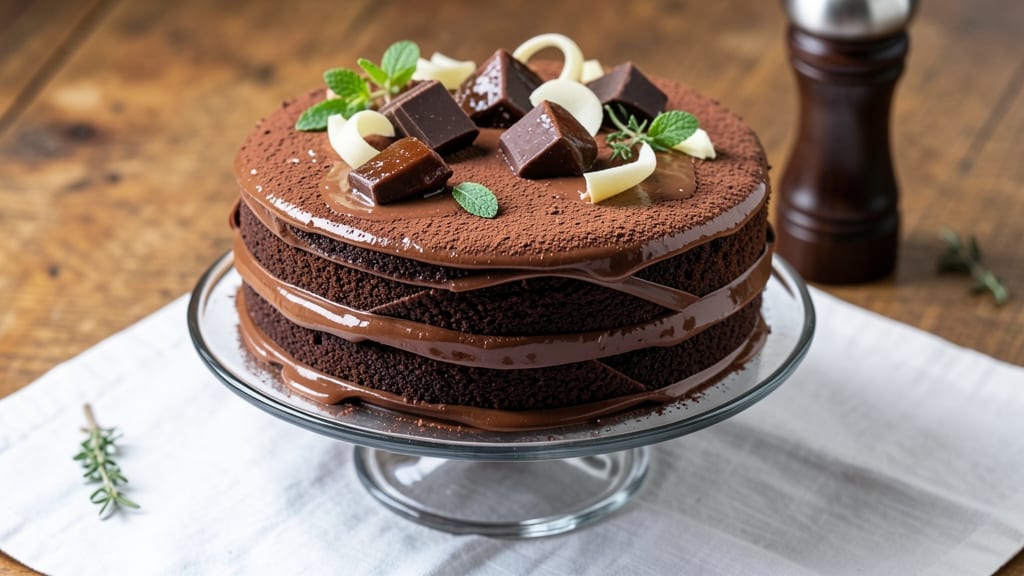
This Belgium chocolate cake secret recipe delivers layers of moist, fudgy perfection with a Belgian twist you won’t find anywhere else. The secret lies in a slow-infused vanilla extract—steeped for weeks in real vanilla beans—and a touch of Belgian praline paste that transforms ordinary chocolate cake into something extraordinary.
I’ve perfected this recipe after years of testing, ensuring every slice stays tender and rich without drying out.
The key to authentic Belgian flavor is the combination of high-quality dark chocolate and a subtle praline note that adds depth without overpowering.
Unlike traditional chocolate cakes, this version uses a secret vanilla infusion method that creates an aromatic base, while the cake batter incorporates melted butter and buttermilk for unmatched moisture. The result? A cake so rich and velvety, it practically melts in your mouth.
What sets this apart is the optional praline filling between layers—a signature Belgian touch that adds a caramelized, nutty contrast to the deep chocolate. The final frosting, a velvety ganache infused with that same Belgian vanilla, ties everything together with a glossy, professional finish.
This isn’t just a cake; it’s a masterpiece that tastes like a trip to Brussels.
Perfect for celebrations, date nights, or simply indulging in something extraordinary, this recipe ensures your chocolate cake will be the star of any occasion. Let’s get started on creating your own Belgian-inspired dessert sensation.
Ingredients for belgium chocolate cake secret
Rich Belgian flavors start with these twelve essential ingredients—each chosen for maximum moisture and depth.
| Ingredient | Amount | Notes |
|---|---|---|
| Unsalted Butter 🧈 | 1 ½ cups | Melted and cooled slightly |
| Granulated Sugar 🍚 | 2 ½ cups | Superfine preferred for smoothness |
| Dark Chocolate Chips 🍫 | 12 oz | 70% cocoa or higher, high-quality |
| All-Purpose Flour 🌾 | 2 cups | Sifted for light texture |
| Buttermilk 🥛 | 1 ½ cups | Room temperature |
| Vanilla Bean Paste 🌿 | 2 tbsp | High-quality Madagascar beans |
| Baking Powder 🧂 | 1 ½ tsp | Diamond Crystal preferred |
| Salt 🧂 | ½ tsp | Fine sea salt |
| Belgian Praline Paste 🥜 | ½ cup | Store-bought or homemade |
| Large Eggs 🥚 | 4 whole | Room temperature |
| Heavy Cream 🥛 | 1 cup | For ganache frosting |
| Powdered Sugar 🍚 | 2 cups | For dusting layers |
The dark chocolate and butter are non-negotiable—Valrhona or Callebaut brands deliver that Belgian richness you can’t replicate with generic chips. I always grab mine from Williams Sonoma or specialty baking stores. For the praline paste, Belgian praline paste from Le Chocolatier is worth the splurge, but a good quality store-bought version works too. The vanilla bean paste? Madagascar beans are the gold standard—look for brands like Madagascar Bourbon if you're making your own infusion. Flour should be sifted to avoid dense layers, and buttermilk needs to be room temp for even mixing.
No high-quality chocolate? Use 60% cocoa with a splash of espresso powder for depth. Praline paste unavailable? Caramelized almond paste at half the amount mimics the nutty sweetness. The vanilla bean paste can be swapped for 2 tbsp pure vanilla extract plus scraped vanilla seeds, but you’ll lose that authentic Belgian aroma. For the ganache, heavy whipping cream is essential—half-and-half won’t give the same glossy finish. If you’re avoiding eggs, aquafaba works at 3 tbsp per egg, though texture may differ slightly.
Store the praline paste and chocolate chips in airtight containers in a cool, dark place for up to 6 months. The cake layers keep beautifully wrapped in plastic for 3 days at room temp, or 1 week refrigerated. Ganache stays stable for 2 weeks refrigerated—just re-temper if it hardens. I always make a double batch of frosting because it disappears faster than the cake. Freeze portions of the batter in silicone molds for quick cake days later.
Why You'll Love This Recipe
- I’ll be real: this cake costs me pennies to make, but it tastes like a fancy patisserie. Butter and sugar are the stars, but the buttermilk stretches the dough just enough to make a whole cake without breaking the bank. Leftovers? They disappear faster than I can say “second slice.”
- No Mixer Needed: I swear by this recipe because it’s all about the creaming—just butter, sugar, and a hand mixer (or even a whisk if you’re feeling old-school). The buttermilk keeps it tender without requiring fancy techniques, and the dark chocolate chips melt into pockets of gooey perfection with zero fuss.
- Rich Without Effort: That buttery richness from the unsalted butter and the deep cocoa from the dark chocolate chips? It’s like a hug for your taste buds. Honestly, the first time I made it, I thought, “Why didn’t I do this sooner?”—because it’s that good, yet still simple.
- Date Night or Meal Prep: Between us, this cake is my go-to for when I want to impress someone (or just treat myself). But here’s the thing—it also travels amazingly well. Slice it up, wrap it in parchment, and toss it in the fridge for a grab-and-go dessert that still tastes homemade.
Step-by-step instructions for Belgian chocolate cake with secret infusion
Here's how to create layers so moist they'll make you forget store-bought ever existed.
Prepare the Belgian Vanilla Buttercream Base
In a stand mixer fitted with the paddle attachment, beat the 1.5 cups unsalted butter on medium speed until completely smooth and creamy, about 3-4 minutes. This ensures no lumps remain—critical for that velvety texture. Gradually add the 2.5 cups granulated sugar while mixing on medium-high speed until the mixture lightens in color and triples in volume, about 5-6 minutes. This step incorporates air, which creates the signature lightness of Belgian buttercream.
Reduce the speed to low and add the 2 tbsp vanilla bean paste and 0.5 cup Belgian praline paste, mixing just until fully combined. The praline paste adds that authentic Belgian depth of flavor—don't skip this! Set the buttercream aside at room temperature while you prepare the cake layers.
Mix the Chocolate Cake Batter with Precision
Preheat your oven to 350°F and grease three 8-inch round cake pans with butter, then line the bottoms with parchment paper. In a separate large bowl, whisk together the 2 cups all-purpose flour, 1.5 tsp baking powder, and 0.5 tsp salt. Sift this dry mixture directly over the bowl to prevent clumping—this ensures your cake will be light and tender.
In another bowl, gently whisk the 4 whole large eggs until just combined. Add the 1.5 cups buttermilk and mix until smooth. Gradually pour the dry ingredients into the wet ingredients while folding gently with a spatula—just until the flour disappears. Fold in the 12 oz dark chocolate chips by hand, ensuring even distribution throughout the batter. The chocolate should be evenly dispersed but not melted yet.
Bake the Layers to Perfect Moisture
Divide the batter evenly among the three prepared cake pans. Bake for 25-30 minutes, or until a toothpick inserted into the center comes out with just a few moist crumbs (not wet batter). Rotate the pans halfway through baking for even heat distribution. The edges should be set but the centers still slightly springy—overbaking is the enemy of moisture.
Let the cakes cool in their pans for 10 minutes, then transfer to a wire rack to cool completely. This gradual cooling prevents cracking and maintains the cake's structure. While the cakes cool, prepare the ganache by combining the 1 cup heavy cream and 12 oz dark chocolate chips in a heatproof bowl. Place the bowl over a pot of simmering water, stirring gently until the chocolate melts completely and the mixture becomes glossy and smooth.
Assemble with Belgian Vanilla Ganache
Once the cakes are completely cool, level the tops if necessary using a serrated knife. Place the first cake layer on a cake stand or plate. Spread a thin layer of the prepared Belgian vanilla buttercream over the top, then pipe a border of buttercream around the edges. This creates a clean base for the ganache filling.
Spread 1/3 of the ganache evenly over the buttercream layer, then place the second cake layer on top. Repeat the process with another thin layer of buttercream, another 1/3 of the ganache, and the final cake layer. The ganache should be thick but spreadable—if it's too firm, warm it gently in the microwave for 10-15 seconds to loosen it.
Dust and Decorate for Authentic Belgian Flair
Once the final layer is in place, cover the entire cake with a thin layer of the remaining ganache, smoothing it with an offset spatula. Dust the top and sides generously with 2 cups powdered sugar using a fine-mesh sieve for that classic Belgian chocolate cake finish. The powdered sugar creates a beautiful contrast against the rich chocolate and adds a delicate sweetness.
Chill the cake in the refrigerator for at least 2 hours before serving. This allows the flavors to meld and the layers to set properly. Slice with a warm, wet knife for clean cuts and serve each piece with a dollop of extra buttercream or a sprinkle of crushed praline bits for that authentic Belgian touch.
Pro Tips For Making Belgium Chocolate Cake Secret
- Melt Butter Slowly: If you dump cold butter into hot sugar, you’ll end up with a grainy mess. Instead, melt the butter first—just until it’s liquid but not browned—then pour it over the sugar while stirring constantly. I learned this the hard way after scraping chocolate chunks out of my cake for the third time.
- Sift That Flour: Belgian chocolate cake relies on a tender crumb, and unsifted flour is its enemy. Sift the all-purpose flour with the cocoa powder (if using) before mixing—it aerates the batter and prevents dense layers. Yes, it’s an extra step, but your cake will thank you.
- Don’t Overmix the Batter: The moment you start folding in the buttermilk, stop mixing the second everything just combines. Overworking the batter introduces gluten, which turns your cake into a tough, chewy brick instead of a moist, melt-in-your-mouth delight. I know, I know—it’s tempting to "get it right," but resist.
- Use Room-Temp Chocolate Chips: Cold chocolate chips sink like stones and don’t melt evenly. Take them out of the fridge 20 minutes before baking so they soften slightly—this ensures they distribute evenly and create those perfect pockets of gooey chocolate. (Pro move: Toss them in a dry pan for 30 seconds to rough up the edges for extra crispiness.)
Wine and beer pairings for this dish
Belgian Beer Pairings
For this decadent chocolate cake, Belgian Trappist ales are my top recommendation—specifically Westvleteren 12 or Chimay Blue. The deep malty sweetness and subtle caramel notes complement the praline and dark chocolate layers beautifully.
If you prefer something lighter, a Belgian Dubbel like Rodenbach provides just enough fruitiness to balance the richness without overpowering. 🍺
For a more approachable option, try a Belgian Witbier such as Hoegaarden—its citrusy coriander and slight tartness cut through the cake’s density, creating a refreshing contrast. Avoid heavy stouts or IPAs, as their bold flavors can clash with the delicate Belgian vanilla and praline notes.
Red Wine Harmony
A Belgian Pinot Noir from the Hainaut region is the perfect wine pairing—its red fruit flavors and earthy undertones mirror the cake’s chocolate depth while keeping the palate clean.
For a more accessible option, a French Burgundy like Domaine de la Romanée-Conti (or a budget-friendly alternative like Louis Latour) offers similar complexity. 🍷
If you prefer a sweeter wine, a Belgian Ruby Port or Vin Santo adds a luxurious touch, enhancing the cake’s caramelized praline flavors. Avoid tannic reds like Cabernet Sauvignon, as they can make the chocolate taste bitter.
Coffee Complements
For a non-alcoholic pairing, a Belgian-style coffee like Arabica from the Congo (commonly used in Belgian cafés) is ideal. The bright acidity and chocolatey notes of the beans harmonize with the cake’s dark chocolate and praline filling.
I love serving it with a demi-tasse—the small, strong cup enhances the cake’s richness. ☕
A Belgian hot chocolate made with Valrhona chocolate and a splash of Grand Marnier is another showstopper. The combination of citrus and chocolate mirrors the cake’s vanilla-praline profile, creating a cohesive dessert experience.
Seasonal Adaptations
In summer, pair the cake with a crisp Belgian Lambic beer—its tart, funky profile contrasts beautifully with the sweetness. For winter, a Belgian Winter Ale like Duvel adds a spiced warmth that complements the cake’s depth. 🌟
For holiday gatherings, a Belgian Crème de Cassis (blackcurrant liqueur) drizzled over the cake adds a festive twist. The tartness balances the richness, making each bite feel like a celebration.
Nutrition facts
Frequently asked questions
What makes this Belgian chocolate cake different from regular chocolate cake?
The secret lies in the Belgian praline paste and infused vanilla—both create that signature depth. Unlike traditional cakes, this version uses high-quality dark chocolate (70% cocoa or higher) and a buttercream base with praline for that authentic Belgian flavor. The powdered sugar dusting also gives it that iconic Belgian finish.
Can I substitute the Belgian praline paste if I can't find it?
Yes! Use ½ cup caramelized almond paste or ½ cup crushed pralines for a similar nutty sweetness. For extra depth, add 1 tsp espresso powder to the batter—it enhances the chocolate flavor without tasting like coffee. The praline adds a caramelized touch that’s hard to replicate, but this works in a pinch.
How do I store leftover Belgian chocolate cake?
Wrap each layer tightly in plastic wrap, then store at room temperature for up to 3 days or refrigerate for 1 week. For longer storage, freeze the assembled cake (unfrosted) for up to 2 months). Thaw overnight in the fridge before serving. The ganache may harden—reheat gently in 10-second microwave bursts to soften.
Why does my Belgian chocolate cake taste dry?
Overbaking is the most common cause—check for a toothpick with moist crumbs (not wet batter). For extra moisture, brush the cooled layers with simple syrup (equal parts sugar + water) before assembling. Also, ensure your butter and eggs are room temperature—cold ingredients can make the cake dense. The praline paste also adds richness, so don’t skip it!
Can I make this cake gluten-free?
Yes! Replace the all-purpose flour with a 1:1 gluten-free baking flour blend (like Bob’s Red Mill) and add ½ tsp xanthan gum to improve structure. For the buttercream, use a gluten-free powdered sugar and ensure your praline paste is certified gluten-free. The texture will be slightly denser, but the flavor remains rich. Test with a small batch first.