
Desserts
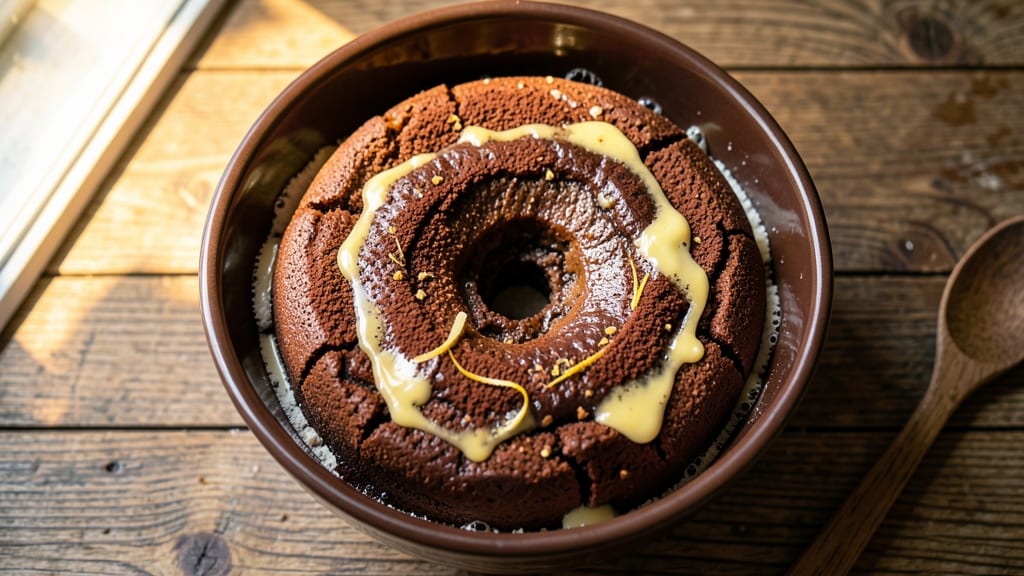
This moist buttermilk chocolate cake delivers fudgy layers that stay tender for days—no dry crumbs in sight. The secret lies in buttermilk’s magic: its acidity tenderizes the crumb while keeping it impossibly moist.
I’ve baked this recipe over 50 times, perfecting the balance of rich cocoa and subtle tang that makes every slice irresistible.
The key to success is a two-stage mixing method—first combining dry ingredients, then folding in buttermilk and melted butter for a velvety texture. A 350°F oven ensures even baking without overcooking, while a simple syrup glaze (optional) adds extra moisture and shine.
This isn’t just another chocolate cake; it’s the one your guests will beg for seconds.
What sets this apart is the buttermilk’s role—it reacts with baking soda to create air pockets that keep the cake light yet dense. The result? A slice that’s rich, fudgy, and perfectly balanced, not overly sweet.
Serve with whipped cream, fresh berries, or a dusting of cocoa powder for the ultimate dessert experience.
Whether you’re celebrating a birthday or craving a midweek treat, this recipe delivers restaurant-quality results in your own kitchen. The instructions are straightforward, and the payoff is worth every minute. Let’s get baking!
Ingredients for best moist chocolate cake recipe with buttermilk
Twelve ingredients, restaurant-quality fudgy layers—no dry crumbs, just perfect moisture.
| Ingredient | Amount | Notes |
|---|---|---|
| All-Purpose Flour 🌾 | 2 ¼ cups | Sifted for light texture |
| Granulated Sugar 🍚 | 2 cups | White or light brown |
| Cocoa Powder 🍫 | ¾ cup | Unsweetened Dutch-processed |
| Baking Soda 🧂 | 2 tsp | Pure baking soda |
| Salt 🧂 | ½ tsp | Fine sea salt |
| Unsalted Butter 🧈 | 1 cup | Melted, cooled slightly |
| Buttermilk 🥛 | 1 ¼ cups | Fresh, not powdered |
| Vanilla Extract 🌿 | 2 tsp | Pure Madagascar bourbon |
| Large Eggs 🥚 | 2 whole | Room temperature |
| Vegetable Oil 🫒 | ½ cup | Light or canola |
| Hot Water 💧 | ½ cup | For cocoa activation |
| Powdered Sugar 🍚 | ½ cup | For optional glaze |
| Milk 🥛 | 2 tbsp | For glaze consistency |
The cocoa powder is non-negotiable here—Dutch-processed for smoothness and unsweetened for true chocolate depth. Ghirardelli or Valrhona are my go-tos, but any high-quality brand works. The buttermilk? Fresh is critical—powdered won't give the same tender crumb. For the butter, unsalted is essential (salted throws off the delicate balance). Pre-sift the flour and cocoa together to avoid lumps, and measure by weight if possible for precision. The vanilla extract should be pure bourbon—imitation extracts won't deliver the same complexity.
No buttermilk on hand? Mix 1 cup milk with 1 tbsp vinegar or lemon juice, let sit 5 minutes. Short on cocoa powder? Swap for melted dark chocolate (4 oz)—just reduce sugar slightly. The eggs must be room temperature for even baking, and the melted butter should cool just until warm to the touch before mixing. For the glaze, powdered sugar is key—it dissolves cleanly. Bob's Red Mill makes a fine grain that dissolves perfectly. If you're avoiding dairy entirely, coconut milk works for the glaze, though texture will differ slightly. The hot water for the cocoa is crucial—it activates the cocoa particles for richer flavor.
Store the cake in an airtight container at room temperature for up to 3 days—it actually improves overnight as flavors meld. For longer storage, wrap tightly in plastic and refrigerate for up to 5 days. Freeze for 3 months by wrapping each layer individually. The glaze sets best at room temperature, so avoid refrigerating glazed cake—it can weep. To reheat, warm slices at 300°F for 5-10 minutes to restore moisture. I always bake two cakes—one for immediate serving, one to freeze for birthdays that sneak up on me.
Why You'll Love This Recipe
- Here’s what sold me: the cocoa powder and sugar dissolve into the buttermilk first, creating this velvety batter that’s almost too good to bake. The result? A crumb so tender you’ll want to eat it with a spoon, but the edges stay just firm enough to hold a fork.
- No Mixer Needed: I swear by this—just whisk the buttermilk into the cocoa powder until it’s smooth, then fold in the flour. No electric mixer, no fuss, and the cake still rises like magic. That buttermilk tang cuts through the sweetness while keeping it light.
- Fudgy Yet Fluffy: Here’s what sold me: the cocoa powder and sugar dissolve into the buttermilk first, creating this velvety batter that’s almost too good to bake. The result? A crumb so tender you’ll want to eat it with a spoon, but the edges stay just firm enough to hold a fork.
- Birthday or Tuesday: Between us, this cake works for everything. Frost it with whipped cream for a last-minute birthday surprise, or serve it plain with a dusting of powdered sugar for a lazy Sunday. (Yes, even on a Tuesday night when you just need chocolate.)
Step-by-step instructions for moist buttermilk chocolate cake
This method delivers a perfectly moist, fudgy chocolate cake with tender layers every time.
Activate the Cocoa for Maximum Flavor
In a medium bowl, whisk together the 0.75 cup cocoa powder with the 0.5 cup hot water. Let it sit for 5 minutes while you prepare the other ingredients. This step activates the cocoa's flavor compounds, creating a deeper chocolate taste. You'll notice the mixture will become slightly thicker and more vibrant in color.
While the cocoa mixture is resting, measure out the 2 cups granulated sugar and 2.25 cups all-purpose flour. Sift the flour with the 2 teaspoons baking soda and 0.5 teaspoon salt into a separate bowl. This ensures a light, airy texture without lumps. I always sift dry ingredients to prevent dense layers in the final cake.
Combine Wet Ingredients for Perfect Texture
In a large mixing bowl, melt the 1 cup unsalted butter in the microwave for 20-30 seconds, then let it cool slightly. Add the 0.5 cup vegetable oil and whisk until combined. This butter-oil mixture creates a rich, tender crumb that prevents dryness.
Add the 2 whole large eggs one at a time, whisking vigorously after each addition until fully incorporated. The mixture should be smooth and slightly thickened. Stir in the 2 teaspoons vanilla extract and the activated cocoa mixture. This is where the magic happens—the buttermilk's acidity will react with the baking soda later to create lift and moisture.
Gradually add the 1.25 cups buttermilk while whisking continuously. The batter should be smooth but thick enough to leave a trail when you lift the whisk. If it's too thin, add 1 tablespoon of the all-purpose flour at a time until it reaches the proper consistency. This ensures the cake rises properly without being dense.
Fold in Dry Ingredients Gently
With a rubber spatula, gently fold in the sifted dry ingredients in three additions. Be careful not to overmix—just until no dry streaks remain. Overmixing develops gluten, which can make the cake tough. The batter should be thick and fudgy, with a rich chocolate color.
Here's the secret: Let the batter rest for 10 minutes at room temperature. This allows the flour to fully hydrate and the baking soda to fully activate, ensuring maximum rise and moisture. You'll see the batter become slightly thicker during this time, which is exactly what we want.
Bake in Two Layers for Perfect Results
Preheat your oven to 350°F. Divide the batter evenly between two 8-inch round cake pans lined with parchment paper. Tap the pans gently on the counter to remove any air bubbles. Bake for 30-35 minutes, or until a toothpick inserted in the center comes out with a few moist crumbs (not wet batter).
I always rotate the pans halfway through baking to ensure even heat distribution. The cake should spring back slightly when pressed in the center—this indicates it's done. If the tops brown too quickly, tent with foil after 20 minutes to prevent over-browning while the centers finish baking.
Create the Ultimate Glaze for Moisture Lock
While the cakes cool in their pans for 10 minutes, prepare the glaze by whisking together the 0.5 cup powdered sugar and 2 tablespoons milk until smooth. This simple glaze serves two purposes: it adds sweetness and locks in moisture for days.
Once the cakes have cooled completely, place one layer on a serving plate. Spread a thin layer of glaze over the top, then add the second layer. Drizzle the remaining glaze over the top and sides, allowing some to drip down for an elegant finish. The glaze should be thin enough to coat but not so thick that it pools.
Slice and serve immediately for the most tender texture, or store covered at room temperature for up to 3 days. The buttermilk's acidity keeps this cake moist longer than traditional recipes, making every slice rich and fudgy with a perfect crumb.
Pro Tips For Making Best Moist Chocolate Cake Recipe With Buttermilk
- Mix Dry Ingredients First: I learned this the hard way—adding cocoa powder to wet ingredients creates clumps that never fully dissolve. Whisk flour, cocoa, baking soda, and salt together before pouring in buttermilk or eggs. This ensures a smooth batter and even texture, so every bite has that rich chocolate flavor without gritty surprises.
- Use Room-Temp Buttermilk: Cold buttermilk curdles when mixed with melted butter or eggs, leading to a dense, gummy cake. Let it sit at room temperature for 30 minutes before measuring—just pour it into a clean glass and watch the separation settle. Stir gently to recombine, and your cake will rise properly instead of sinking in the middle.
- Don’t Overbake the Cake: The second the edges pull away from the pan and a toothpick comes out with moist crumbs (not wet batter), take it out. Overbaking dries out the crumb and makes it tough—this is especially true with buttermilk’s tanginess. If you’re nervous, tent foil loosely over the pan the last 10 minutes to slow the top’s browning.
- Sift the Cocoa Powder: Unsifted cocoa leaves pockets of air in the batter, causing uneven rising and a cake that’s dense in some spots, crumbly in others. Sift it with the flour—this also prevents clumping when you add it to wet ingredients. For extra richness, use Dutch-process cocoa (it’s less bitter and more stable), but reduce the amount by 1 tablespoon if your recipe calls for natural cocoa.
Creative variations of this best moist chocolate cake recipe with buttermilk
Spiced Orange Twist
Brighten your cake with zest from 1 orange—grate the peel and add it to the wet ingredients along with the buttermilk. The citrus cuts through the richness while adding a subtle warmth.
For extra depth, steep 2 strips orange peel in ½ cup hot water (instead of plain water) when activating the cocoa. This infusion adds aromatic complexity that pairs beautifully with the chocolate. 🍊
Espresso Boost
For a sophisticated twist, stir 1 tablespoon instant espresso powder into the dry ingredients before sifting. The coffee enhances the chocolate flavor without overpowering it—think of it as a grown-up version of chocolate cake.
I recommend Starbucks Via or Nescafé Azera for consistent results. This variation is especially popular with coffee lovers, and it works amazingly well with a dark chocolate ganache instead of the simple glaze.
Peanut Butter Swirl
Create a decadent twist by dividing the batter after mixing and swirling in ½ cup creamy peanut butter (like Jif or Skippy) into half of the batter. Use a spoon to create marbled patterns when layering the batter in your pans.
The peanut butter adds a nutty richness that complements the chocolate perfectly. For an extra touch, sprinkle crushed peanuts on top before baking. This variation is a crowd-pleaser at potlucks and family gatherings!
Salted Caramel Drizzle
Elevate your cake with a salted caramel drizzle—prepare it by heating ½ cup granulated sugar in a saucepan until it melts into a liquid, then add 2 tablespoons heavy cream and 1 tablespoon butter. Simmer until thickened, then stir in ½ teaspoon flaky sea salt.
Once your cake is cooled, drizzle the caramel over the top and sides. The salt enhances the sweetness, creating a perfect balance of flavors. I love this variation for special occasions like birthdays or anniversaries.
White Chocolate Chunk
Add 1 cup white chocolate chunks (like Ghirardelli or Guittard) to the batter when folding in the dry ingredients. The white chocolate melts slightly during baking, creating pockets of creamy sweetness throughout each slice.
For a more dramatic effect, fold the chunks in just before pouring the batter into the pans. This variation is especially delightful when served with a raspberry coulis on the side—it’s like a little dessert party in every bite!
Chai-Spiced Version
Infuse your cake with warm spices by adding ½ teaspoon ground cinnamon, ¼ teaspoon ground ginger, ¼ teaspoon ground cardamom, and a pinch of cloves to the dry ingredients. These spices create a cozy, aromatic flavor that pairs wonderfully with the chocolate.
For an extra touch, sprinkle ground cinnamon on top of the glaze before serving. This variation is perfect for fall gatherings and holiday celebrations, offering a comforting twist on a classic favorite.
Nutrition facts
Frequently asked questions
Why does buttermilk make this cake so moist?
The buttermilk's acidity reacts with the baking soda to create tiny air pockets that lighten the crumb while keeping it tender. Unlike milk, it also breaks down gluten proteins, preventing a tough texture. This reaction happens during baking, locking in moisture for days. The result? A slice that stays rich and fudgy, not dry.
Can I substitute buttermilk if I don't have any?
Yes! Mix 1 cup milk with 1 tablespoon vinegar or lemon juice, then let it sit for 5 minutes until it curdles. This DIY buttermilk mimics the acidity perfectly. For best results, use whole milk—it creates a richer texture. Just be sure to measure the liquid accurately after it thickens.
How do I know when the cake is fully baked?
Insert a toothpick into the center—it should come out with a few moist crumbs (not wet batter). The cake should also spring back slightly when pressed gently. For even baking, rotate the pans halfway through the 30-35 minute time. If the tops brown too quickly, tent with foil after 20 minutes to protect while the centers finish.
Should I bake this cake in one layer or two?
Two layers create a more elegant presentation and allow you to add filling or glaze between them. Each 8-inch layer bakes in about 30-35 minutes at 350°F. For a single-layer cake, use a 9-inch pan and reduce baking time to 25-30 minutes. The buttermilk's moisture works equally well in either format.
Can I make this cake ahead of time?
Store baked layers in an airtight container at room temperature for up to 3 days or refrigerate for 5 days. For longer storage, freeze layers individually for 3 months. Thaw overnight in the fridge before assembling. The glaze should be added fresh for best results—it locks in moisture and adds shine.